
Strengthening Regional Collaboration, Advancing Joint Action for Coral Triangle Marine Resilience
 The Coral Triangle Center (CTC) participated in the Solutions for Marine and Coastal Resilience in the Coral Triangle (SOMACORE) Partner Meeting, organized by Deutsche Gesellschaft für Internationale Zusammenarbeit (GIZ), from 21–27 April 2025 in Kota Kinabalu and Tun Mustapha Park, Malaysia. The gathering brought together SOMACORE consortium partners alongside government bodies such as the Coral Triangle Initiative on Coral Reefs, Fisheries, and Food Security (CTI-CFF) Regional Secretariat and Sabah Parks, both in person and virtually. Together, the partners finalized the joint SOMACORE workplan for 2025–2026, setting the course for regional collaboration in the coming years.
 CTC, represented by Dr. Hesti Widodo, Leilani Gallardo, and Ii Rosna Tarmidji, actively contributed to discussions on enhancing coordination mechanisms, streamlining communications and monitoring frameworks, and aligning joint activities with key regional conservation priorities. During partner update sessions, CTC shared its ongoing initiatives in marine protected areas (MPAs), capacity building, and community empowerment, while exploring new synergies with fellow organizations to amplify impact. A bilateral meeting with the International Union for Conservation of Nature (IUCN) also mapped out concrete next steps for joint activities under the SOMACORE framework.
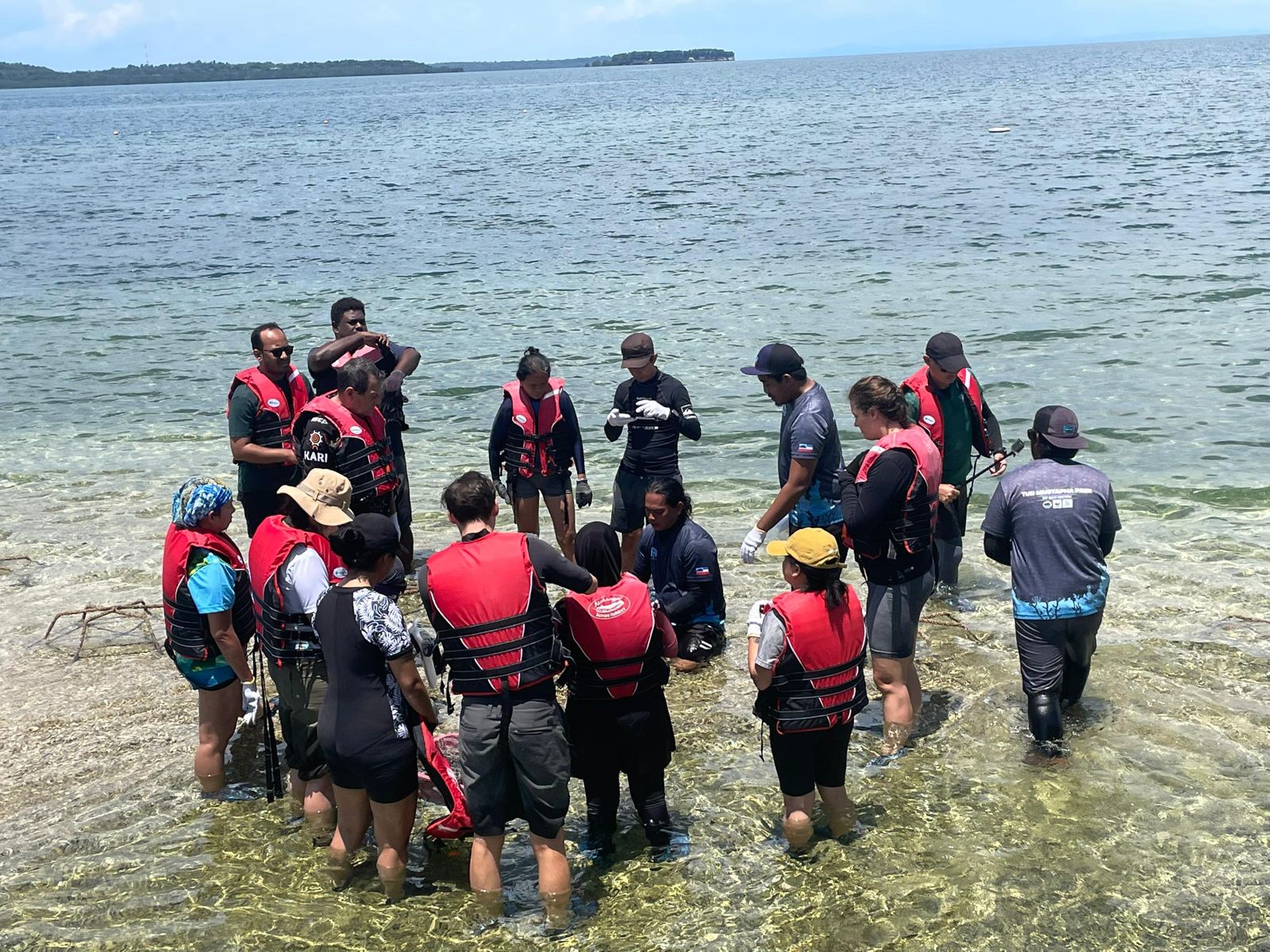
 Highlights of the week included working group presentations on gender equality and social inclusion, seascape approaches, and communications, as well as operational planning sessions that reinforced alignment with CTI-CFF’s evolving priorities. A site visit to Tun Mustapha Park, hosted by Sabah Parks and WWF Malaysia, deepened participants’ understanding of MPA management in the Malaysian context, Bajau community initiatives, GESI integration, and valuable lessons from the IUCN Green List certification process.
The SOMACORE program is a regional project funded by the German Federal Ministry for the Environment, Nature Conservation, Nuclear Safety and Consumer Protection (BMUV) via the International Climate Initiative (IKI). It has been developed to support the countries of the Coral Triangle as they seek to develop and implement the regional concepts of the CTI-CFF, particularly those described in the CTI-CFF Regional Plan of Action (RPOA) 2.0. The SOMACORE program aims to utilize a Seascape approach to implementation, focusing on the three priority seascapes recognized by the CTI-CFF: the Sulu-Sulawesi Seascape, the Lesser Sunda Seascape, and the Bismarck Solomon Seascape.
 The program works with the governments of the six Coral Triangle countries and the Regional Secretariat of the CTI-CFF and is implemented through various forms of partnerships and agreements with the following organizations: CTC, Conservation International, Konservasi Indonesia, Eco Custodian Advocates, Indonesia Locally Managed Marine Area Network, International Union for Conservation of Nature, Deutsche Gesellschaft für Internationale Zusammenarbeit (GIZ) GmbH, The Nature Conservancy, Yayasan Konservasi Alam Nusantara, Wildlife Conservation Society, World Wide Fund for Nature Pacific – Solomon Islands, and World Wide Fund for Nature – Malaysia.
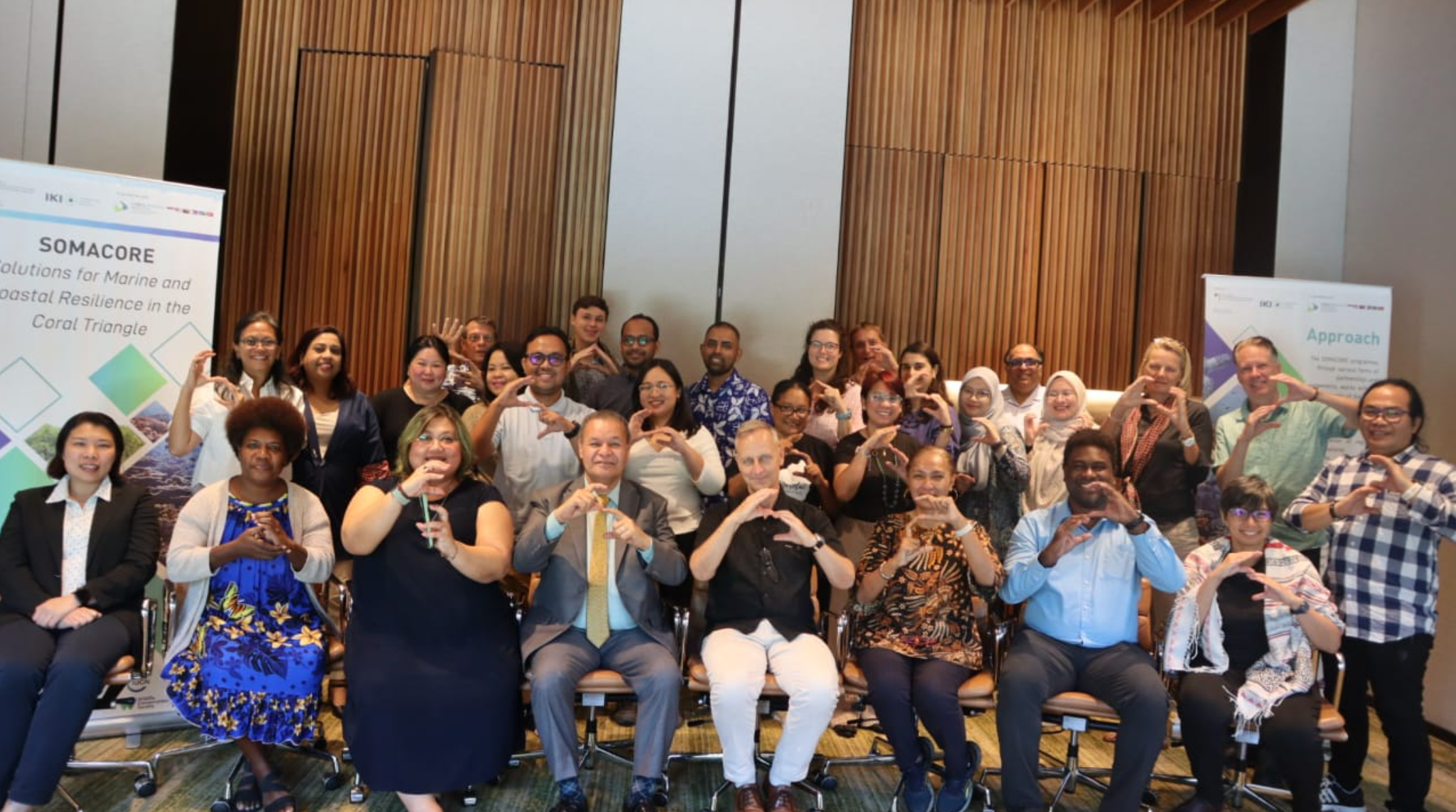 Under the SOMACORE program, CTC aims to build human capital across the three Coral Triangle seascapes through the implementation of key components of the CTI-CFF Capacity Building Roadmap. This will be done through two approaches. First, CTC will develop and implement regional training nodes to advance effective marine and coastal governance across the three seascapes of the Coral Triangle. Second, CTC will design, develop, and operationalize a repository for capacity building in the Coral Triangle, along with associated online training courses to support practitioners’ capacity needs across the three seascapes. These approaches will also help ensure that the CTI-CFF GESI policy is integrated across all capacity building programs and activities.
CTC looks forward to deepening collaborations with our regional partners as we move forward with implementing our shared workplan through 2026.
Writer: Coral Triangle Center
Photo: Coral Triangle Center