
Onsite Training
What skills are needed to effectively manage and protect coastal and marine ecosystems? How can practitioners apply proven approaches to keep our oceans—and our planet—healthy? What tools and strategies can address the threats facing our oceans and safeguard them for the future?
These are just some of the critical questions addressed by CTC’s onsite training and learning activities. CTC’s onsite training program delivers tailored, capacity-building modules designed to strengthen practical skills and respond to specific learning needs. The modules are organized into six major themes: Marine Protected Areas (MPAs), Sustainable Fisheries Management, Sustainable Marine Tourism, Leadership, Climate Change, and Coral Restoration.
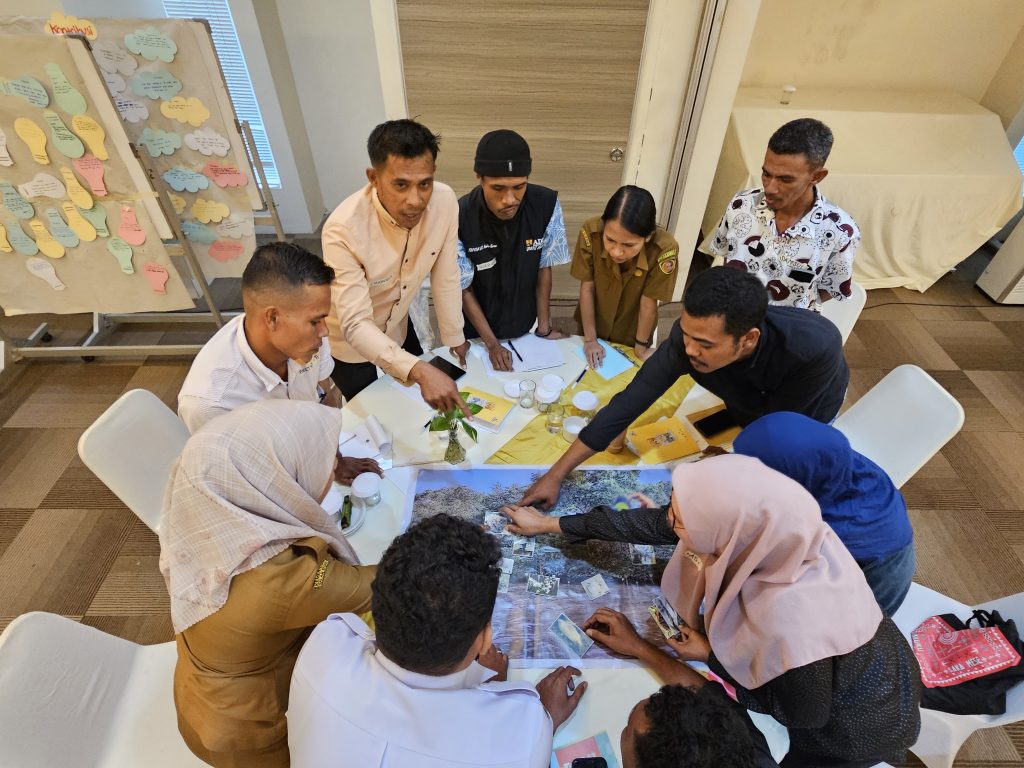
Each theme is designed to build applied competencies for real-world conservation challenges, combining core knowledge with hands-on skills. The curriculum can be adapted to different contexts and audiences, with subtopics that deepen expertise in key areas.
Across the Coral Triangle, governments have set ambitious targets to meet global and national marine conservation goals such as protecting 30% of the world’s oceans by 2030. One of the biggest challenges to achieving these goals is the limited availability of skilled professionals and conservation leaders to plan, manage, and sustain these areas effectively.
To help address this need, Coral Triangle Center delivers customized training programs for a wide range of audiences and stakeholders across the region, from government agencies and conservation practitioners to tourism operators, educators, community leaders, and emerging professionals.
We provide online, in-person, and field-based training designed to strengthen knowledge, build practical skills, and support the people responsible for marine conservation. Our training strategy integrates site-based learning, Training of Trainers (ToT), online courses, post-training mentoring, and institutional capacity strengthening, ensuring that new skills are applied to Marine Protected Area planning and management.
Training To Certification
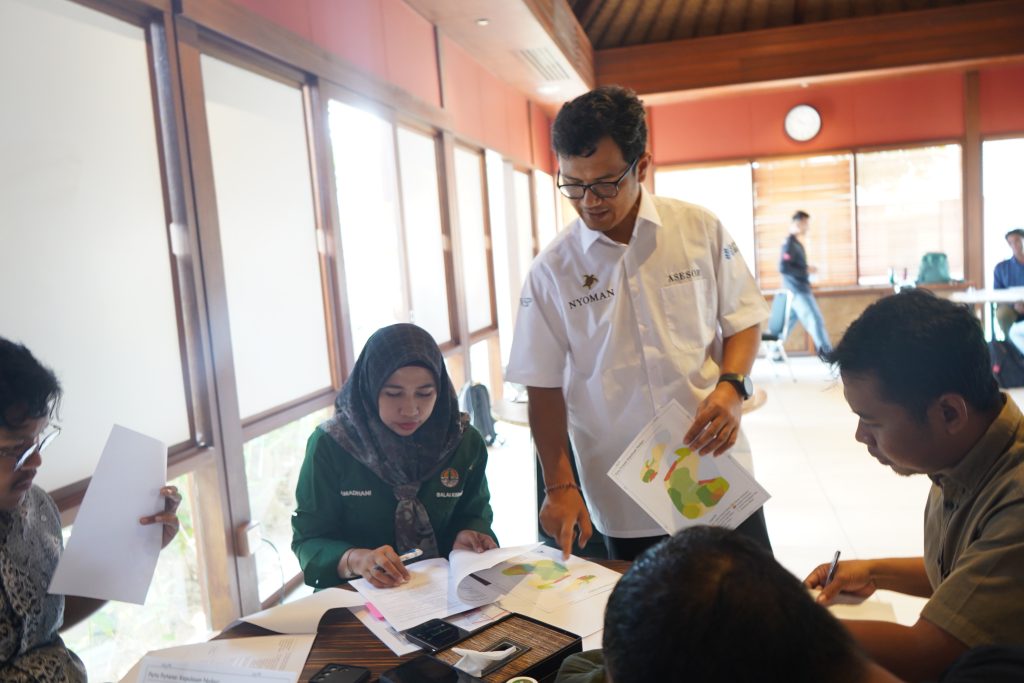
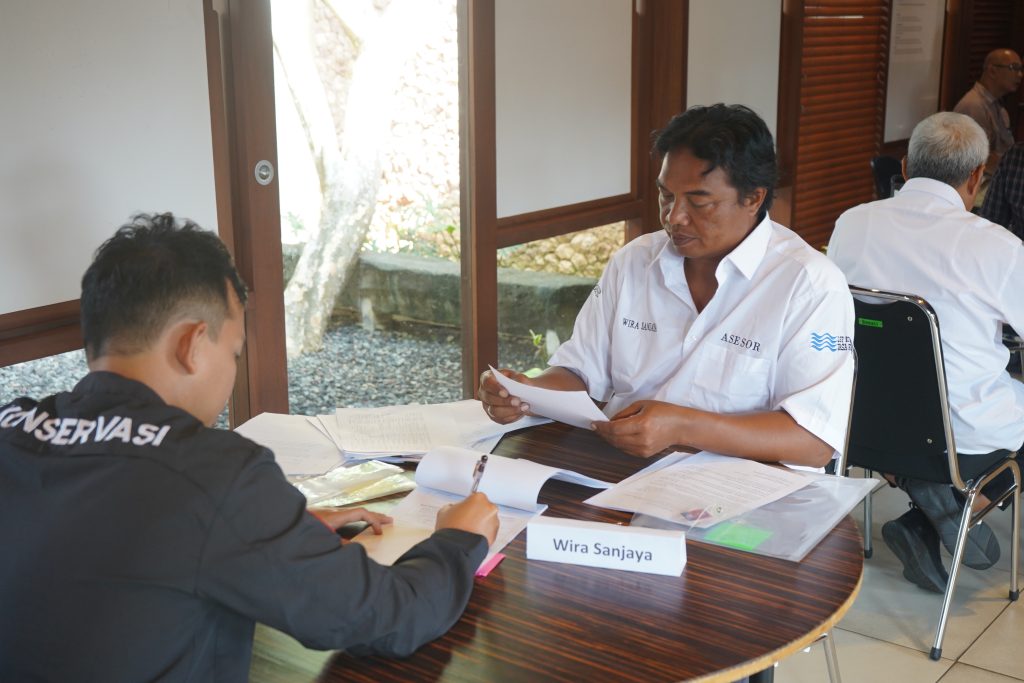
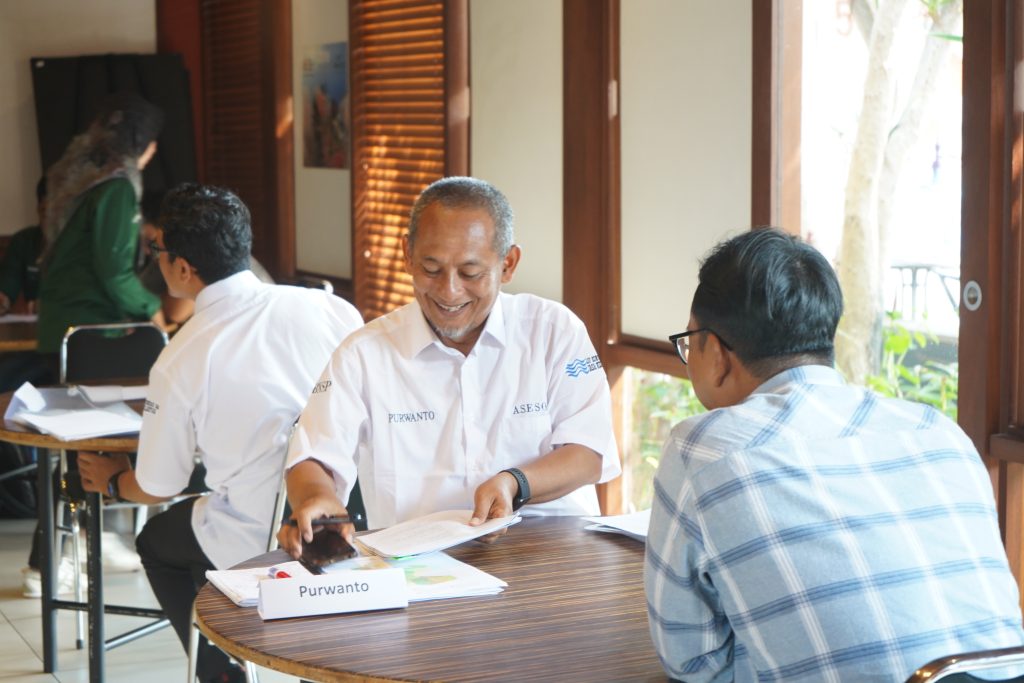
In September 2015, CTC reached a critical milestone by becoming the second conservation NGO in Indonesia to be certified as an assessment center by the Lembaga Sertifikasi Profesi Konservasi dan Jasa Kelautan (Conservation and Marine Services Professional Certification Institute). This achievement transformed its training programs into a pathway toward nationally recognized professional competency in marine conservation.
Through this certification, CTC can assess and strengthen the competencies of Marine Protected Area practitioners across marine conservation, fisheries management, and marine tourism. To support this role, seven CTC staff members are accredited assessors, nine are certified trainers at levels 5, and five at level 4 as of 2026, ensuring that our training programs are run by professionals and that our training curricula aligns with national standards and supports long-term capacity development.
Tailored Training Solutions
Every coastline is different. Every institution works within its own context. That is why CTC’s training is built around a customized approach designed to match the specific needs of its training participants across the Coral Triangle.
Each program begins with a scoping study to identify capacity gaps, priority topics, and existing learning resources. Through consultations, workshops, and stakeholder meetings, we work closely with government agencies, conservation organizations, educators, and coastal practitioners to understand the skills and knowledge most needed on the ground. These insights become the foundation for training curricula that reflect local contexts, national priorities, and real management challenges.
Our training materials are developed in-house with marine science experts and experienced educators, drawing on decades of field practice and continuously updated best-practice approaches. Before implementation, training materials are tested and refined to ensure they are practical, relevant, and effective. Training is designed for impact and delivered through a blend of technical workshops, field-based learning at CTC learning sites, training of trainers (ToT), learning exchanges, and ongoing post-training support.
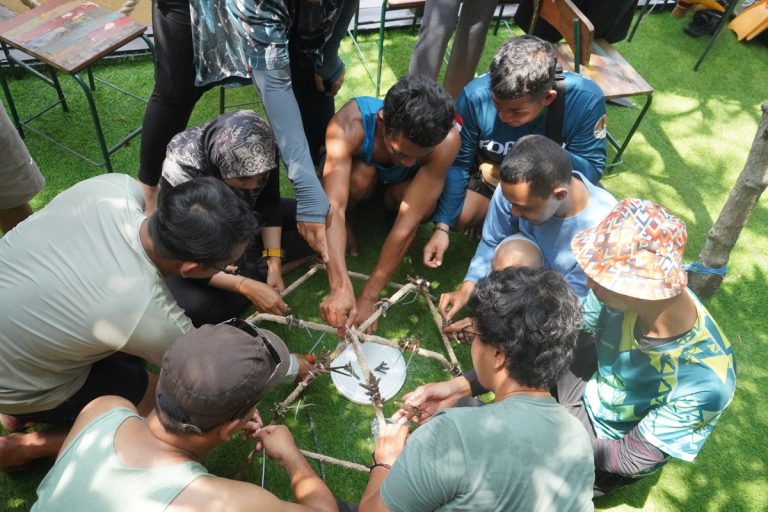
Around 80 percent of training includes hands-on field components, allowing participants to apply new skills directly in marine and coastal management settings and strengthen their confidence to implement solutions in their own institutions and communities.
TRAINING MODULES
CTC’s curricula are developed in-house in consultation with MPA and marine science professionals. Explore the range of training topics currently offered by CTC below:
1. Marine Protected Area
1.1 Introduction to MPA and Coastal Management
1.1.2 Principles of Marine Protected Area (ID & ENG)
1.1.3 Basic Marine Ecology (ENG)
1.1.4.Community Based Coastal Resource Management (ENG)
1.1.5 Ridge to Reef (ID & ENG)
1.1.6 Integrated Coastal Zone Management (ENG)
1.2 MPA Design and Management Planning
1.2.1 Marine Protected Area Design (ID)
1.2.2 Marine Protected Area Management Planning (Without Computer Application) (ID & ENG)
1.2.3 Marine Protected Area Management Planning (With Computer Application) (ID & ENG)
1.3 MPA Monitoring
1.3.1 Coastal Ecosystem Monitoring (ID & ENG)
1.3.2 Perception Monitoring (D)
1.3.3 Marine Resource Use Monitoring (IND)
1.3.4 Monitoring and Management of Sea Turtle Nesting SItes (ID)
1.4 MPA Surveillance
1.4.1 Community Surveillance -Pokmaswas Level 1) (ID)
1.4.2 Community Surveillance – Pokmaswas Level 2 (ID)
1.5 MPA Financing
1.5.1 Sustainable Financing for Marine Protected Areas (ID)
1.5.2 Blue Economy & Business Model Canvas (ID)
1.6 MPA Effectiveness & Evaluation
1.6.1 Marine Protected Area Management Effectiveness (Basic) (ID & ENG)
1.6.2 Evaluasi Efektivitas Kawasan Konservasi (EVIKA) (ID & ENG)
1.7 Community Outreach (ID)
2. Fisheries
2.1 Introduction to Fisheries Management
2.1.1 Fisheries Governance (ID)
2.1.2 Fish Identification (ID & ENG)
2.2 Fisheries Management Planning
2.2.1 Ecosystem Approach for Fisheries Management (EAFM) – Introduction (ID & ENG)
2.2.2 Ecosystem Approach for Fisheries Management (EAFM) – Planning (ID & ENG)
2.3 Fisheries Product Processing
2.3.1 Making Seaweed Based Products (ID)
2.3.2 Fisheries Product Business Planning (ID)
3. Tourism
3.1 Introduction to Marine Tourism
3.1.1 Marine Sustainable Tourism (ID & ENG)
3.1.2 Wildlife Observation Tourism (ID & ENG)
3.2 Guiding
3.2.1 Naturalist Guide (ID)
4. Leadership
4.1 Organization Management
4.1.1 Facilitation Techniques for MPA Public Consultation (ID)
4.1.2 Management of Organization & Communication (ID)
4.1.3 Women Leadership (ID)
5. Climate Change
5.1 Blue Carbon
5.1.1 Blue Carbon for Policy Makers (ENG)
Partnerships
CTC’s training programs are built on strong regional and global partnerships that expand expertise, strengthen learning networks, and ensure training responds to real conservation priorities across the Coral Triangle.
In collaboration with partners, CTC has developed training curricula and modules tailored for practitioners in Indonesia, Malaysia, Philippines, Papua New Guinea, Solomon Islands, and Timor-Leste. These collaborations support training of trainers, professional development for MPA managers and practitioners, executive leadership programs, and regional learning exchanges that connect professionals across countries and disciplines.
Partnerships also enable CTC to expand beyond technical training to strengthen leadership, communication, and collaboration skills that are essential for advancing marine conservation and protecting endangered, threatened, and protected species throughout the region.
CTC has a well-developed professional network, ongoing relationships, and collaborative work with several key organizations in the Coral Triangle region, including universities, governments at national, provincial, and local levels, such as the CTI-CFF Regional Secretariat and National Coordinating Committees, NGOs such as TNC, WCS, WWF, IUCN, Environmental Defense Fund (EDF), and Sustainable Fisheries Partnership; consulting partners as well as universities and multilateral and bilateral development partners, among others.
Learn More
Online Training
The CTC Academy E-Learning Platform provides a diverse range of online resources for practitioners, community members, and students who want to dive deeper and learn more about marine resource management. Learners can access downloadable modules and self-paced courses in Bahasa Indonesia and English, anytime and from anywhere.
Visit CTC Academy here