
CTC Explores Collaboration Opportunities with Indonesian Ornamental Fish Council
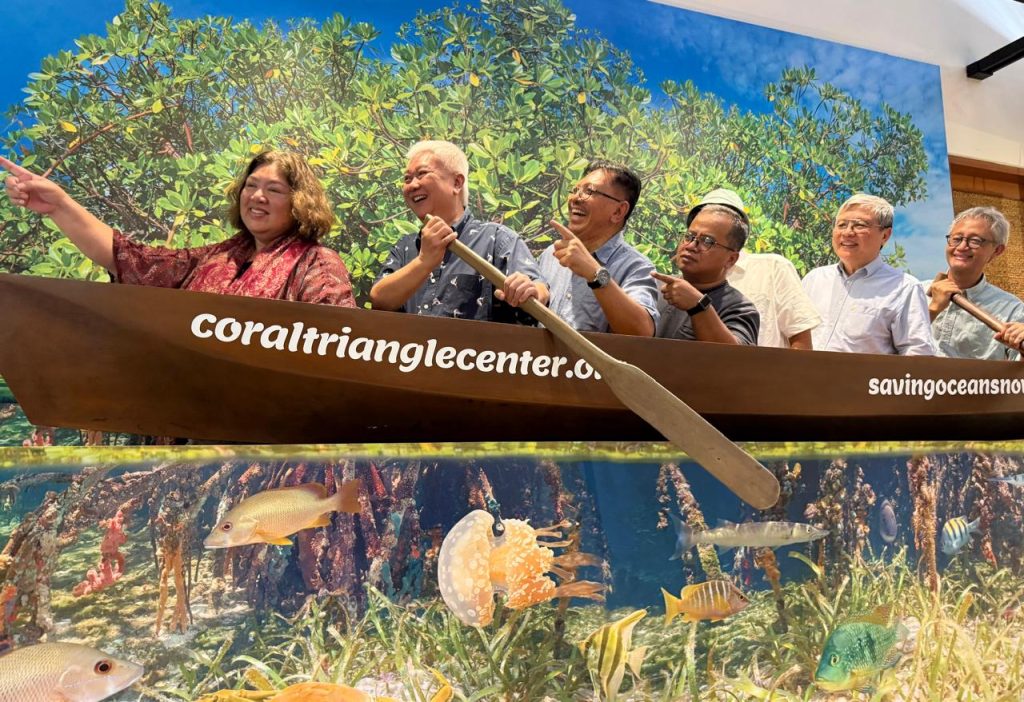
The Coral Triangle Center (CTC) welcomed a visit from the Executive Board of the Indonesian Ornamental Fish Council (DIHI) in Bali on 10 April 2026, opening a strategic discussion on how marine conservation efforts can be better connected with Indonesia’s growing ornamental fish industry.
Indonesia is currently the world’s second-largest exporter of ornamental fish, making the sector one of the country’s significant marine-based economic drivers. Recognizing this potential, the visit focused on exploring how conservation expertise and industry networks can work hand in hand—particularly in strengthening capacity building, promoting responsible practices, and creating blue economy opportunities.
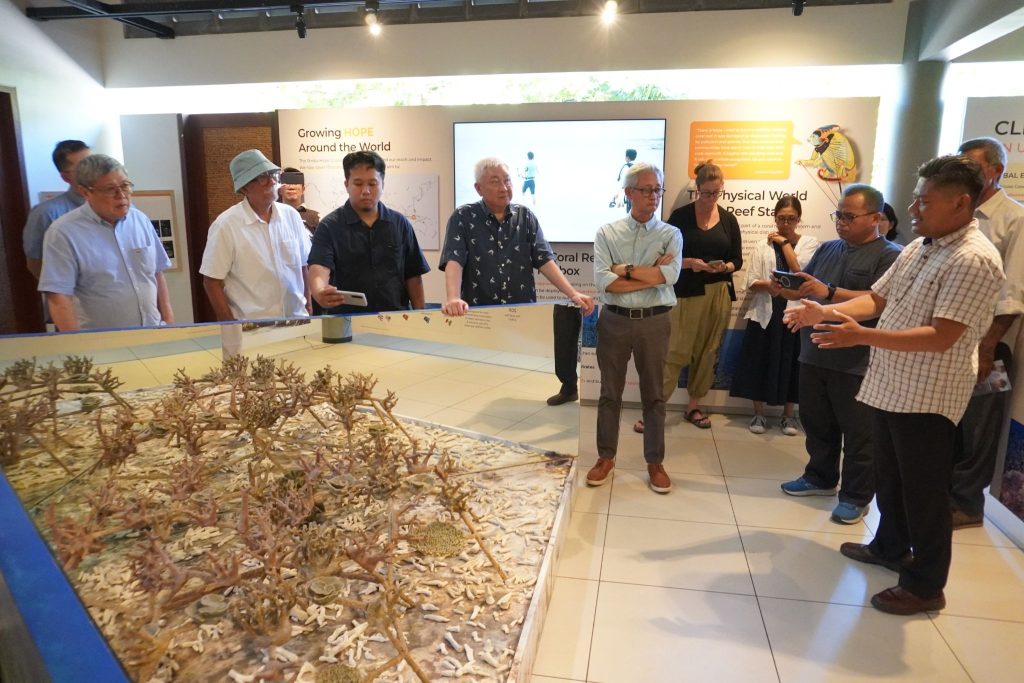
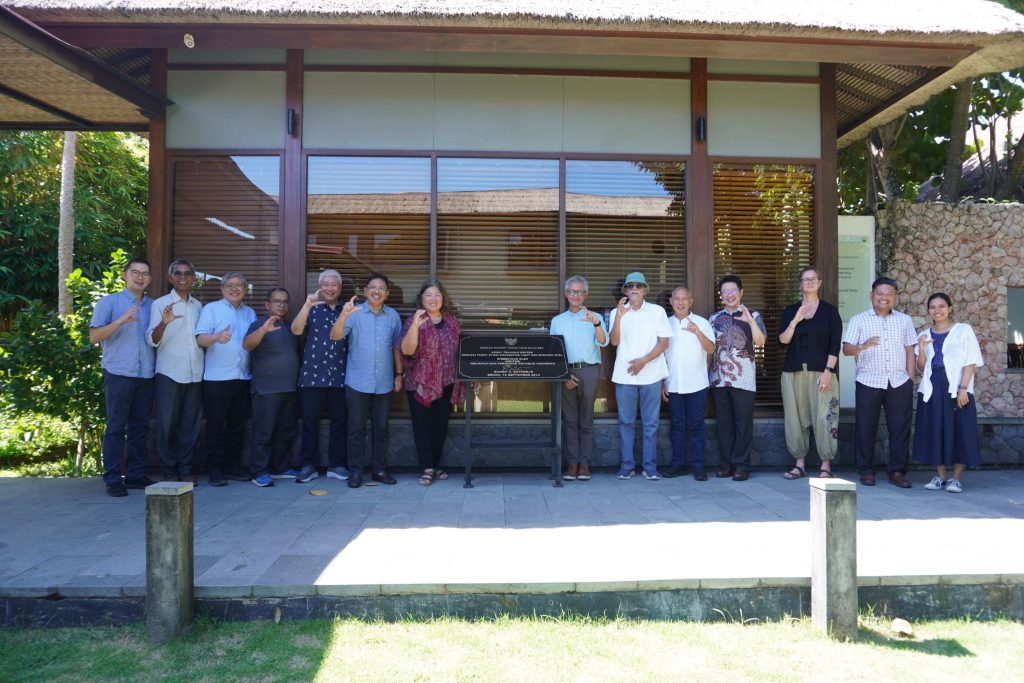
The DIHI delegation, consisting of 10 participants, was led by Dr. Suseno Sukoyono as Founder and Chairman of DIHI, alongside Deputy Secretary General Drs. Hery, members of the Board of Experts, business leaders, and representatives from small and medium enterprises. During the meeting, DIHI expressed strong interest in CTC’s conservation work, especially its approach in connecting environmental protection with community welfare and economic development.
In the discussion, CTC shared its experiences in community-based marine resource management, where local communities are not only positioned as beneficiaries but as active actors in conservation. Through support to community groups such as POKMASWAS, communities are involved in reef monitoring, marine data collection, surveillance, and coral restoration activities. These interventions also create alternative livelihoods, or blue jobs, that provide additional income opportunities for coastal communities, including fishers.
Beyond community work, CTC also highlighted several of its broader initiatives, including sustainable marine tourism through Green Fins, coral reef restoration, and support to strengthen governance in Marine Protected Areas. At the national level, CTC is currently contributing to the development of guidelines for provincially managed Marine Protected Areas in collaboration with the Ministry of Marine Affairs and Fisheries.
A key point raised during the meeting was the sustainability challenge within the ornamental fish trade itself. As demand continues to grow, both CTC and DIHI acknowledge the need to ensure that industry practices do not place additional pressure on coral reef ecosystems, which are the very foundation of the trade. This shared concern led to discussions on the importance of public education and awareness building to close knowledge gaps about coral reef conservation and sustainable marine use.
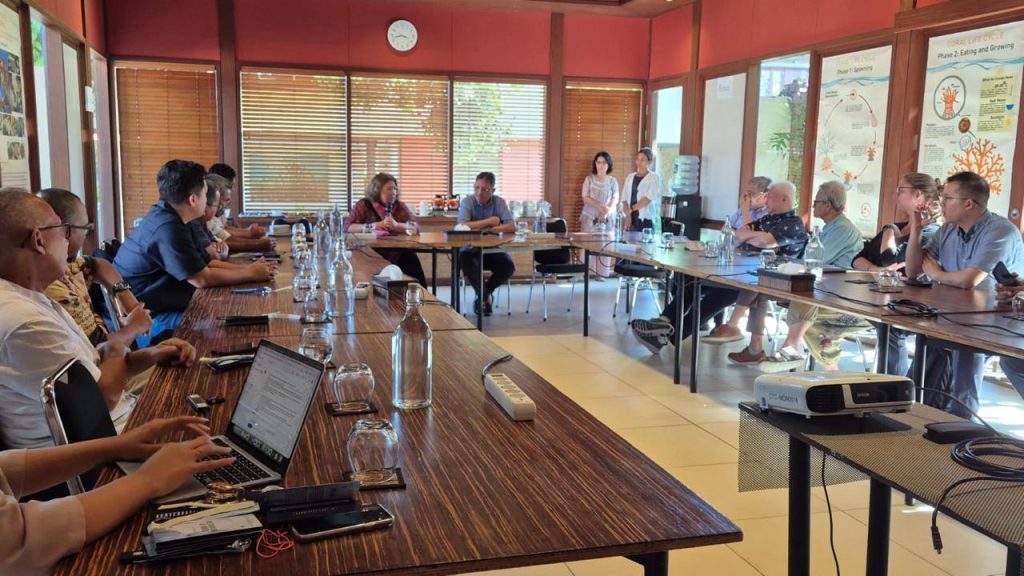
Looking ahead, both parties saw strong potential for collaboration in designing tailored education and capacity-building programs for different stakeholder groups within the ornamental fish sector. Broader outreach efforts through digital channels such as podcasts, online learning, and CTC Academy were also identified as promising avenues to bring marine conservation messages to wider audiences.
The visit marks an encouraging first step toward a partnership that could connect marine biodiversity conservation with one of Indonesia’s important blue economy sectors, ensuring that economic growth goes hand in hand with the long-term health of coral reef ecosystems.
Writer: Asia Salsabilla
Photo: Asia Salsabilla/CTC