CTI-CFF Capacity Building Roadmap
Overview & Goals
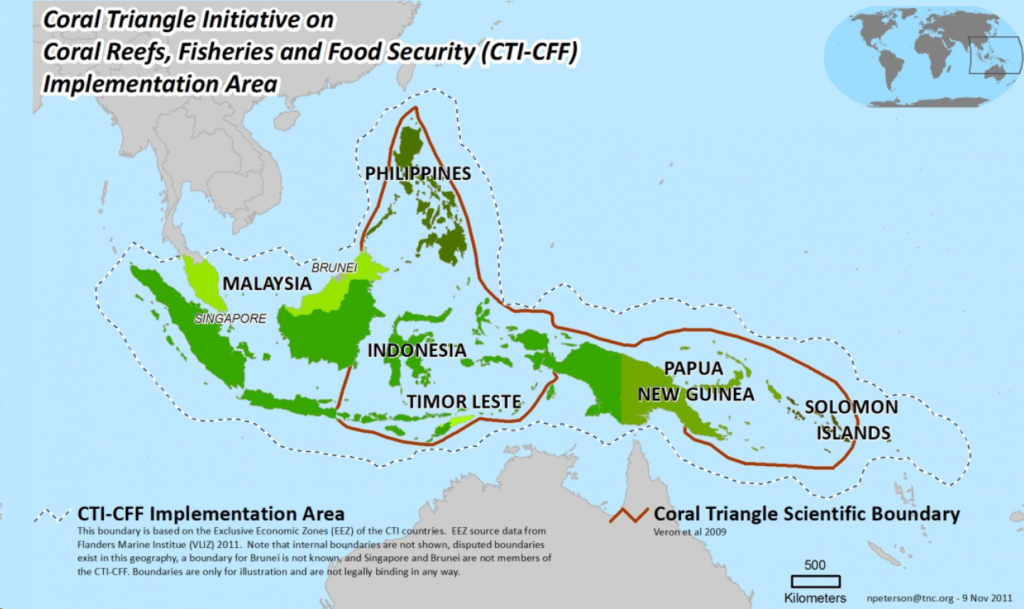
The Coral Triangle Initiative on Coral Reefs, Fisheries, and Food Security (CTI-CFF) Capacity Building Roadmap aims to enhance competencies for safeguarding marine ecosystems in the Coral Triangle the world’s epicentre of marine biodiversity covering Indonesia, Malaysia, Papua New Guinea, Philippines, Solomon Islands, and Timor-Leste.
Grounded in the CTI-CFF Regional Plan of Action (RPOA), this initiative aligns regional efforts with global conservation objectives, including the global goal to protect 30% of the ocean by 2030. It was developed after a comprehensive stocktake analysis of capacity-building needs in the Coral Triangle.
Developed collaboratively by CTI-CFF, Coral Triangle Center (CTC), WWF Coral Triangle Program and supported by USAID Sustainable Fish Asia (SUFiA), it aims to ensure sustainable management of biodiversity across the Coral Triangle region. It was endorsed by the six Coral Triangle countries during the CTI-CFF Senior Officials meeting in November 2023.
Vision
To accelerate skills-building across the Coral Triangle to sustain and effectively manage resilient marine and coastal resources and seascape ecosystem services, in support of the CTI-CFF Regional Plan of Action (RPOA) 2.0 targets, benefitting nature and communities.
Goals
- Scale up capacity-building efforts, leveraging resources to meet the CTI-CFF RPOA 2.0 and national objectives.
- Accelerate training delivery to equip stakeholders at the right time and place.
- Sustain support to ensure lasting, on-the-ground impacts.
Pillars
Pillar 1: Tools & Packages
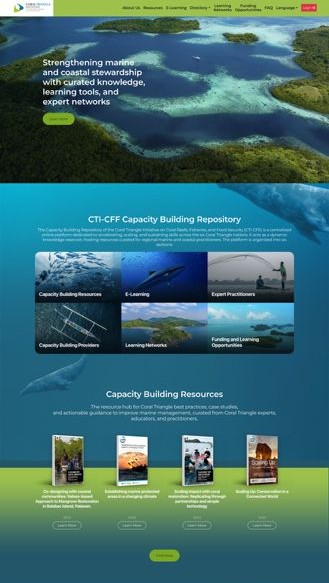
Capacity Building Repository
- Online platform and database with resources, case studies, best practices, expert directories, and funding opportunities.
- Accessible in diverse languages and low-bandwidth areas.
- Sign up for updates: www.coraltrianglelearning.org
Advancing Online Learning
- Self-paced and free online courses tailored for Coral Triangle audiences.
- Moderated courses combining self-learning with mentorship.
Pillar 2: Systems for Catalyzing Leadership
Coral Triangle Ambassadors Programme
- Leadership initiative for emerging influencers in the Coral Triangle countries.
- Promotes global visibility and fundraising for marine conservation.
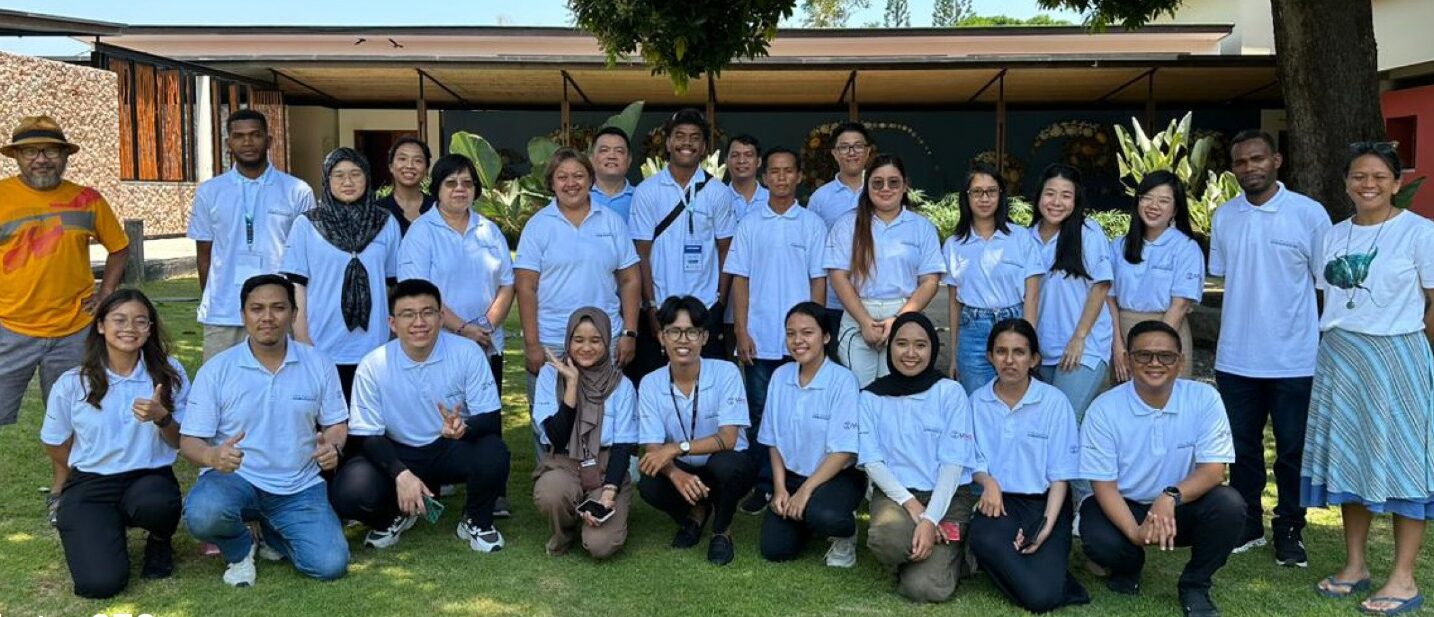
Pillar 3: Delivery on-the-Ground
Seascape Regional Training Nodes
- Networks of training institutions and individual trainers to optimize skill-sharing.
- Focused on priority seascapes such as Sulu-Sulawesi, Lesser Sunda, and Bismarck Solomon Seascapes.
- Advance cross learning between stakeholders and capacity providers.
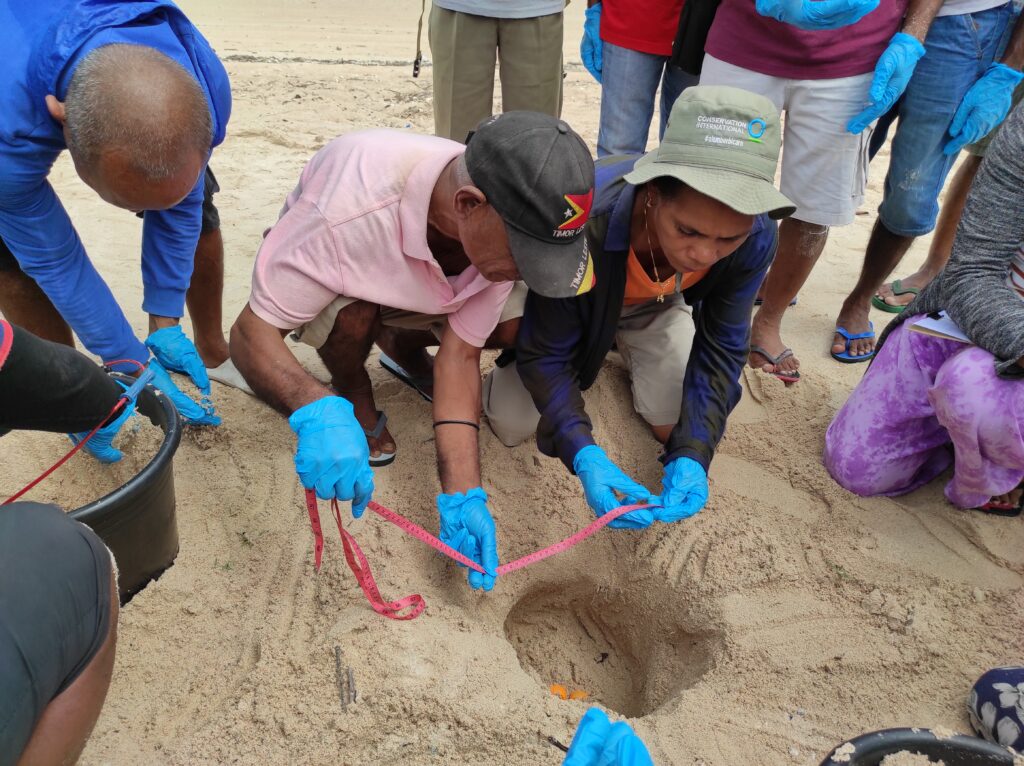
Coral Triangle Apprenticeship Programme
- Practical, immersive training for community practitioners through on-site mentoring activities
Pillar 4: Mobilization of Peer Learning Opportunities
Learning Sites Portfolio
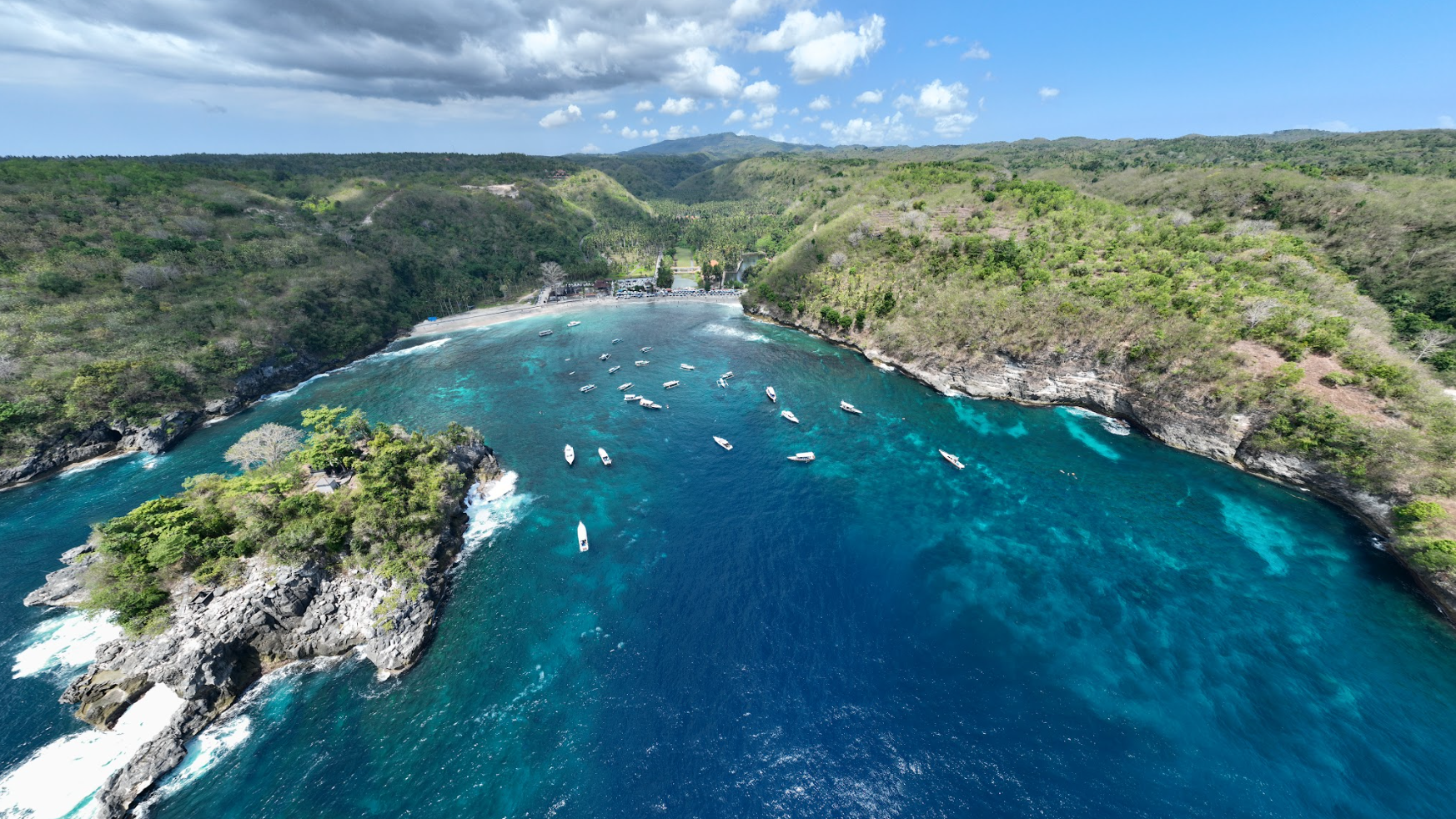
- Site-based experiential learning hubs representing diverse Marine Protected Area (MPA) governance models.
- Site-based learning topics tailored to each site’s strengths and conservation needs.
Peer Learning Networks
- Support the establishment of peer learning networks i.e. MPA Managers Network (MPAMN); Coral Triangle Community Groups Network (CT-CGN); and the Young Marine Leaders Network (YLN).
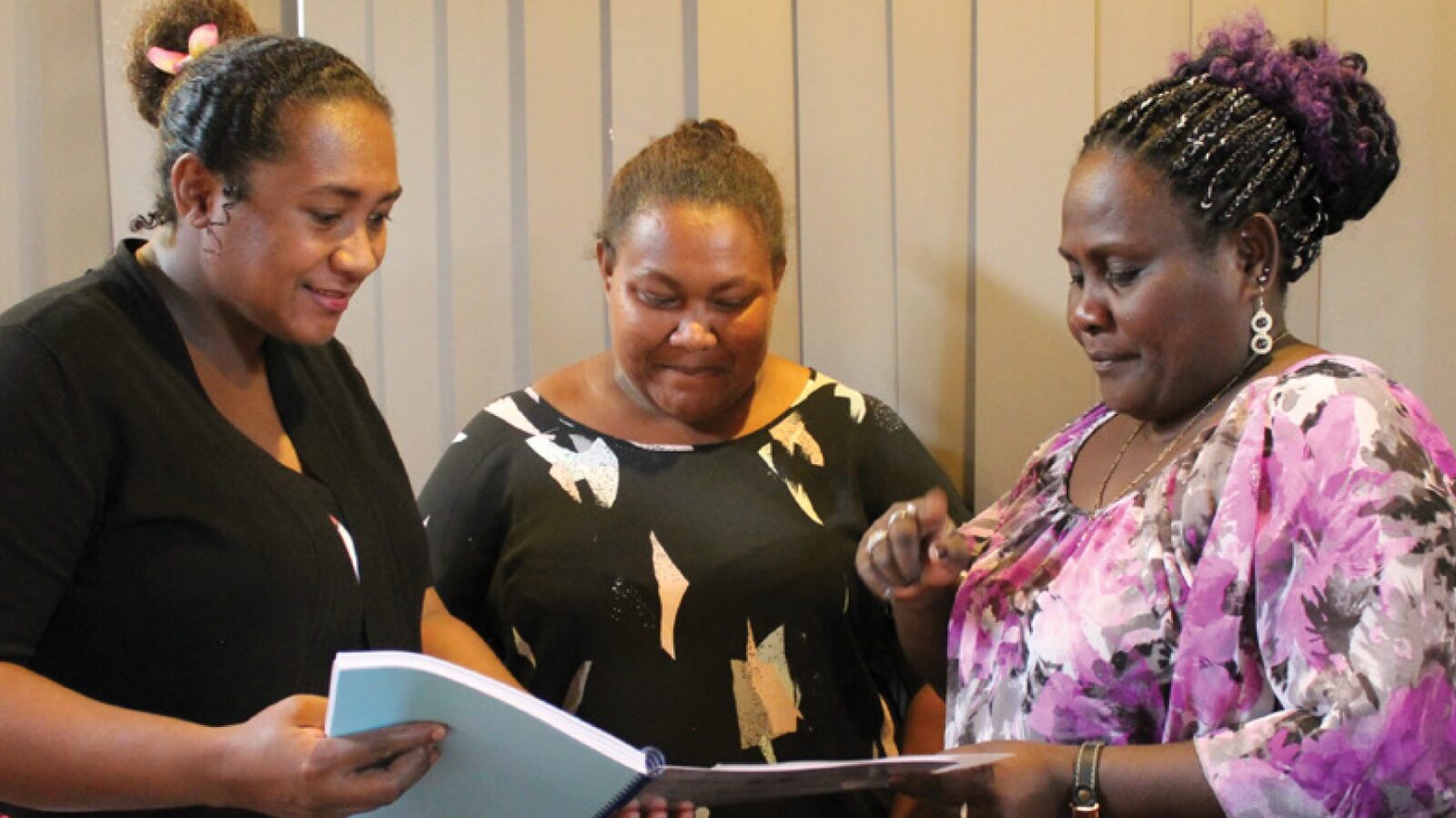
- Provide on-going support to existing CTI-CFF networks such as the Women’s Leaders Forum (WLF); the MPA Learning Network (MPALN); and the Maritime Local Government Network (CTI-LGN).
Next Steps
The roadmap’s implementation is a collaboration between technical working groups, seascape stakeholders, and international partners to refine and execute strategic capacity-building plans. By focusing on skills, leadership, and practical training, the CTI-CFF aims to create resilient ecosystems and empowered communities.
Learn More
Infosheet