
CTC and Partners Develop Legacy Training Materials to Support Sustainable Blue Swimming Crab (BSC) Fisheries
 The Coral Triangle Center (CTC), in collaboration with its partners from the Blue Swimming Crab (BSC) Consortium—Environmental Defense Fund (EDF), Starling Resources (SR), Sustainable Fisheries Partnership (SFP), and Yapeka—facilitated a three-day workshop held from March 11 to 13 in Jakarta. The workshop aimed to document a package of training materials that will serve as a long-term legacy for advancing sustainable BSC fisheries management in Indonesia.
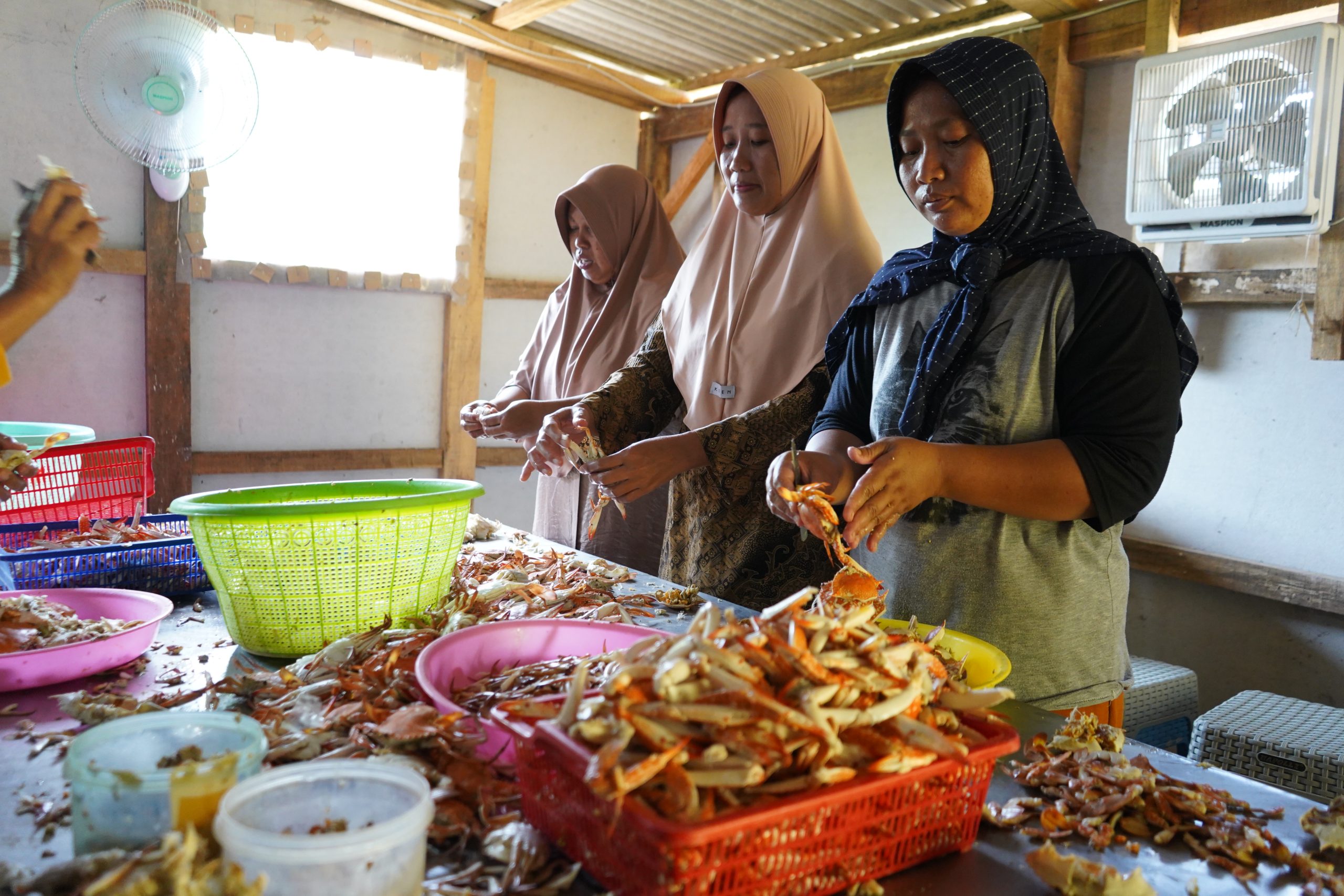
Held at the EDF office, the workshop brought together 15 participants, including representatives from each organization and remote attendees. The initiative initially aimed to produce three key learning topics: a coaching and mentoring guide, a leadership and a financial literacy training. Since there were many fisheries management training materials, the participants agreed to create a separate fisheries management package. These tools are designed to support fishery stakeholders, including BSC Fisheries Management Committees (FMCs), fisher groups, women in post-harvest roles, and mini-plant operators.
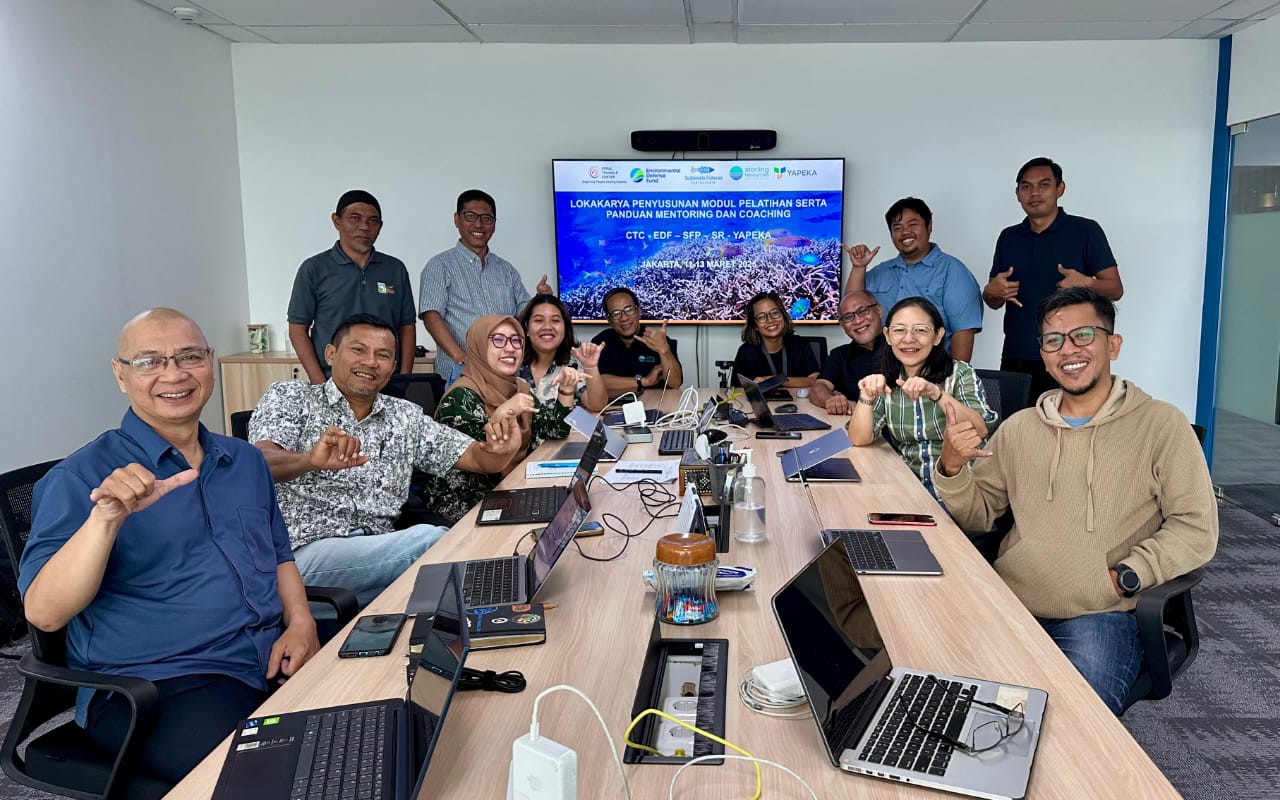 The workshop was highly productive and collaborative. Participants successfully developed an outline for the coaching and mentoring guidelines for six target groups, comprehensive curricula for leadership, financial literacy, and fisheries management trainings, and a consolidated list of supporting materials for all topics.
This effort comes at a crucial time as the 2024–2026 period marks the final phase of the BSC Consortium’s direct support for fisheries management in key provinces, including Lampung, Central Java, West Java, East Java, and Southeast Sulawesi. With the transition to locally-led management, the development of standardized, user-friendly learning materials is essential to ensure sustainability and continuity of best practices.
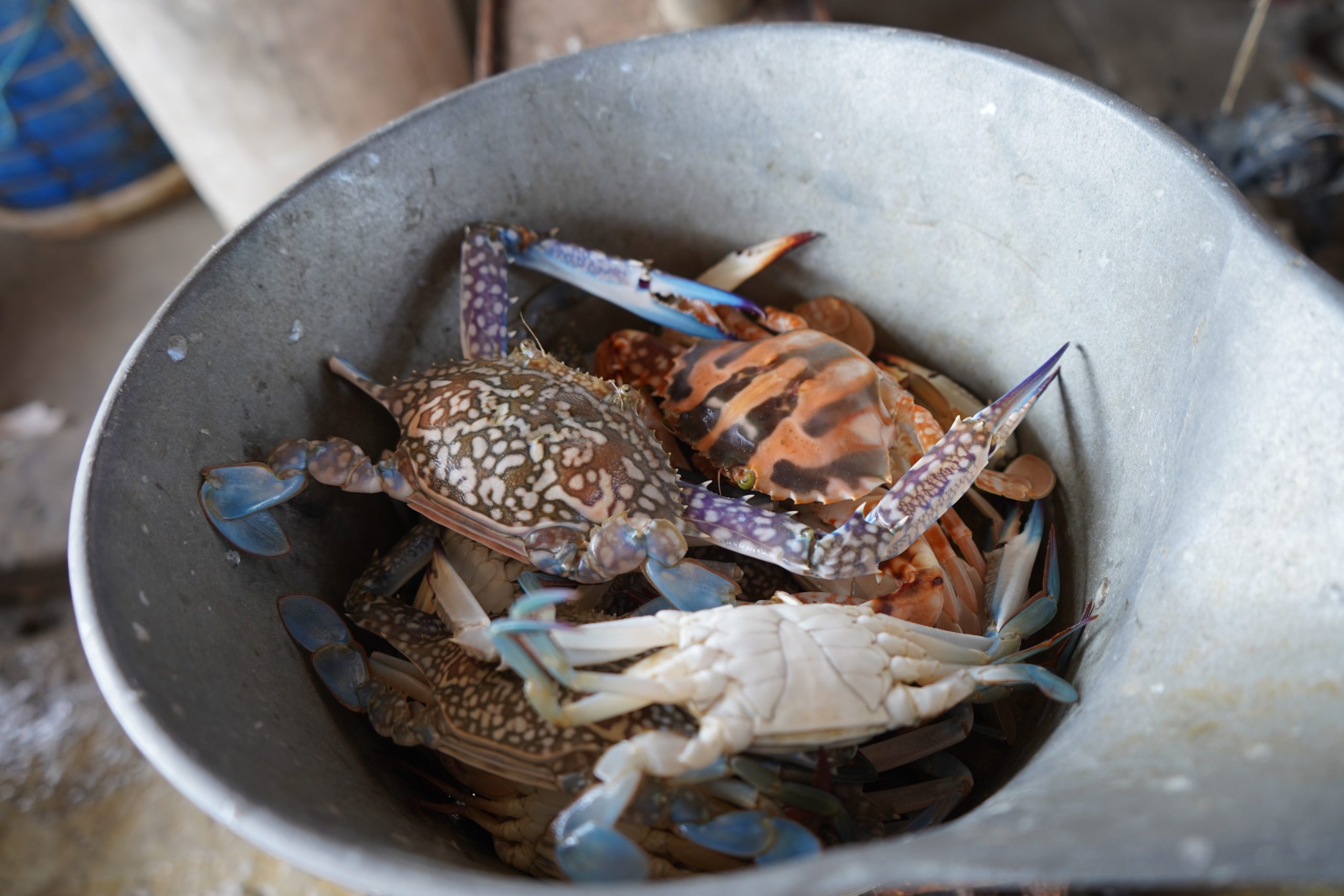 As one of the world’s leading exporters of blue swimming crab, Indonesia plays a critical role in the global supply chain. However, the fishery continues to face persistent challenges such as overfishing, limited post-harvest quality control, and weak capacity at the provincial level. The consortium has worked over the years to strengthen community-based approaches, enhance women’s participation, and improve science-based decision making.
The learning materials developed through this workshop will be made available in the BSC Committee repositories and are expected to support ongoing capacity building efforts beyond the lifespan of donor-funded programs. They represent a collective commitment to fostering long-term, community-driven fisheries governance in Indonesia.
This workshop reflects the shared dedication of all consortium partners to empower local stakeholders, promote inclusive training approaches, and leave behind a tangible legacy for sustainable fisheries management.
Writers: Asia Salsabilla/CTC, Hana Laura/CTC, Wienda Justitia Ardiyani/CTC
Photos: Hana Laura/CTC