
World Dugong Day: Discovering the Unique Dugong and Conservation Efforts in Maluku
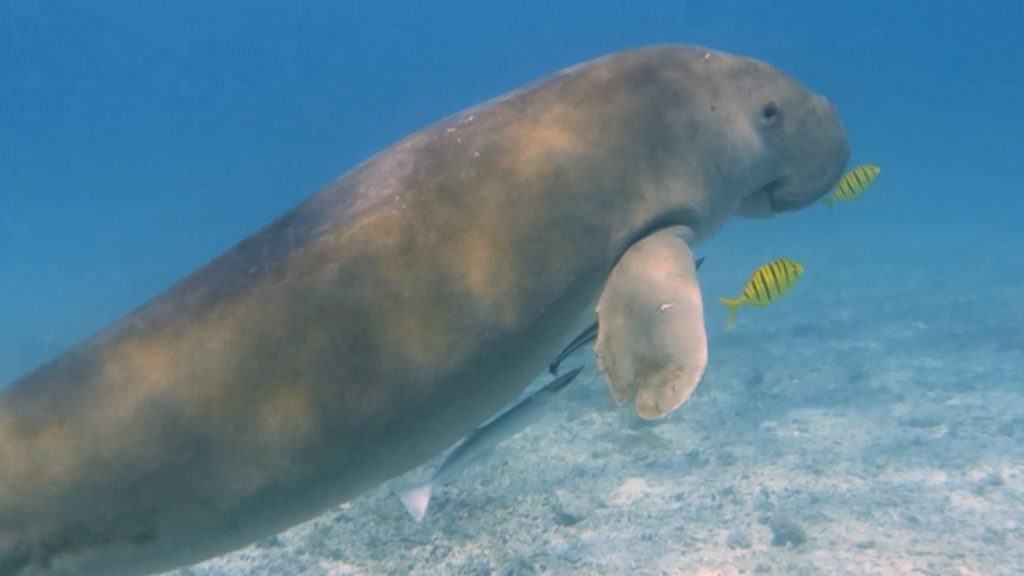
Hidden beneath Indonesia’s coastal waters lives one of the ocean’s least-known marine mammals—the dugong (Dugong dugon), a gentle seagrass grazer often called the “sea cow.” Despite its ecological importance, dugongs remain far less recognized than whales, sea turtles, or manta rays, making them one of marine conservation’s overlooked species.
Every year on May 28, the world commemorates World Dugong Day, highlighting the urgent need to protect dugongs and the ecosystems they depend on. As one of the countries with the largest dugong populations and seagrass meadows, Indonesia plays an important role in conserving these species and coastal ecosystems.
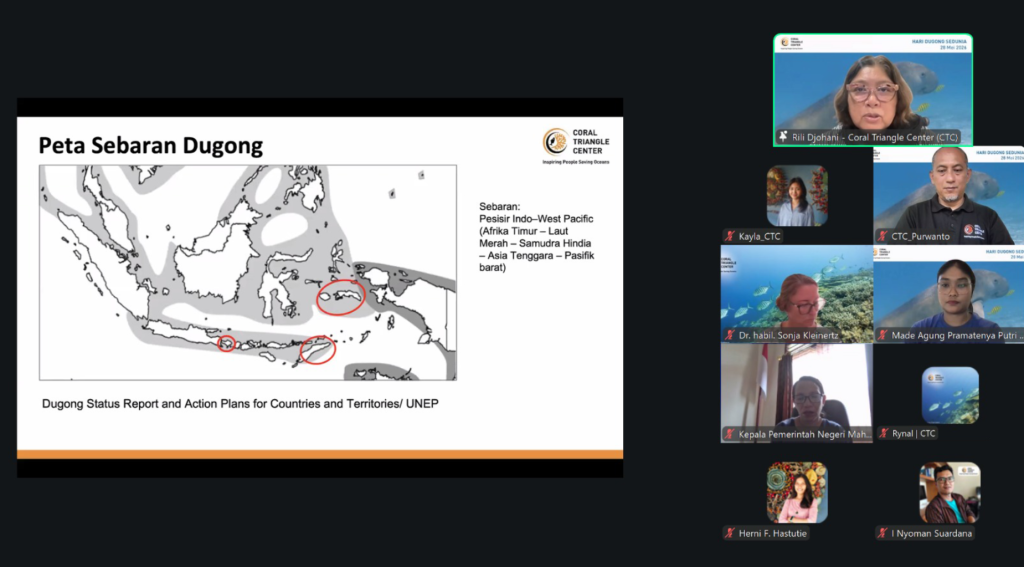
Dugongs rely entirely on seagrass ecosystems for survival. Their grazing behavior helps maintain healthy seagrass meadows—ecosystems that support fisheries, store blue carbon, and strengthen coastal resilience. Yet dugongs face growing threats from habitat degradation, coastal development, accidental capture in fishing gear, marine pollution, and declining seagrass habitats. The challenge is further compounded by dugongs’ slow reproductive cycle. Females generally give birth to only one calf after long intervals, making population recovery difficult once numbers decline. At the same time, seagrass ecosystems often receive less attention than coral reefs and mangroves, despite their essential role in maintaining healthy coastal ecosystems.
“Indonesia has taken important steps to protect dugongs through national regulations and the National Dugong Conservation Strategy and Action Plan introduced in 2009,” said Coral Triangle Center (CTC) Executive Director, Rili Djohani. “But conservation cannot rely on policy alone. Limited resources and capacity remain challenges in strengthening protection efforts on the ground. Through the Kalesang Dugong Project in the Lease Islands Marine Protected Area (MPA), Maluku, we seek to support these priorities by strengthening community participation and the protection of dugongs and their habitats.”
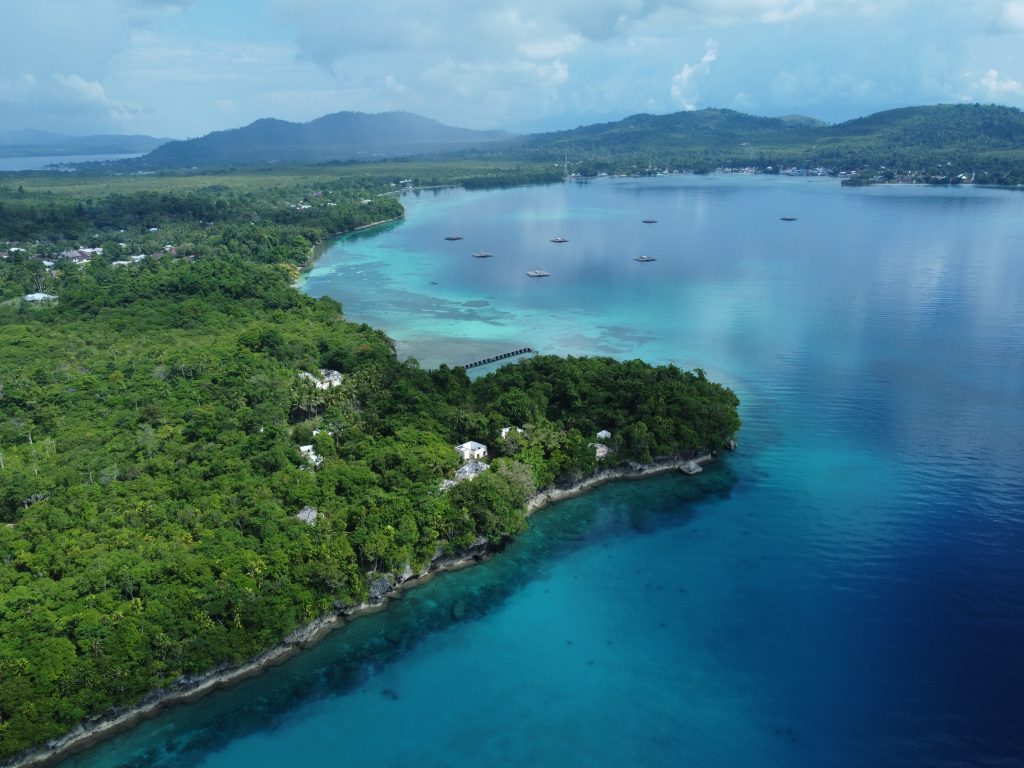
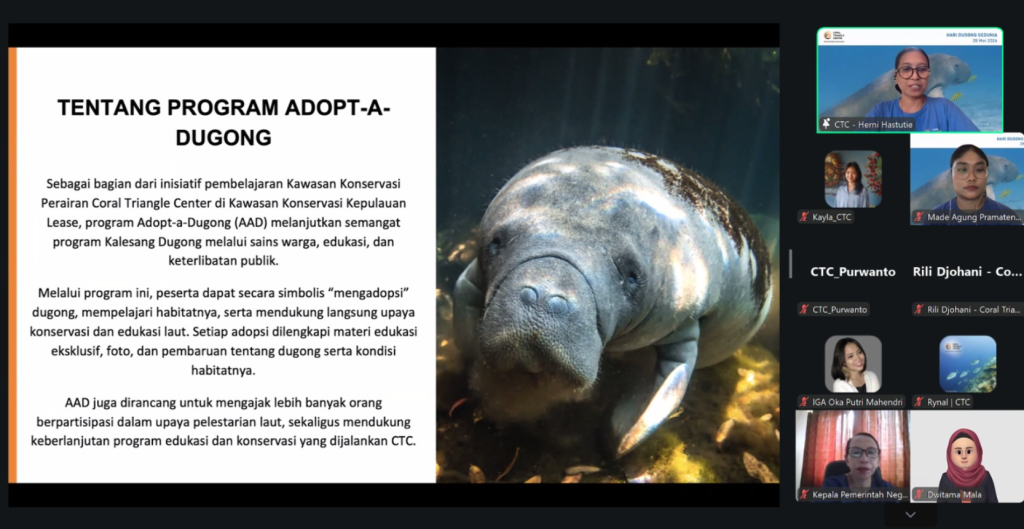
To celebrate World Dugong Day, CTC organized a public webinar titled “Dugong Spotlight: Protecting Lease Islands’ Gentle Giants” on 28 May 2026, bringing together more than 50 participants, including marine conservation practitioners, educators, students, NGO partners, and members of the public interested in ocean conservation. The webinar explored dugong ecology, conservation challenges, and efforts to protect dugongs and seagrass ecosystems through the Kalesang Dugong Project.
The project focuses on community engagement, citizen science, habitat monitoring, and conservation awareness. Through surveys and citizen science efforts, communities have helped identify dugong habitats, document feeding areas, record 54 dugong sightings, and identify eight seagrass species, contributing to a better understanding of ecosystem conditions and threats.
“Many people used to know dugongs only as ikan duyung and were unaware of their ecological importance,” said Vicky, a community member involved in the Kalesang Dugong citizen science program in the Lease Islands. “Today, thanks to awareness activities and educational signboards placed at the sub-district office and other public spaces, people have a much better understanding of dugongs and why they need protection. Communities are becoming more aware of the areas dugongs use and are taking greater care to avoid disturbing them.”
Beyond its ecological achievements, the project has also transformed community perspectives. Communities that once viewed dugongs as a disturbance due to accidental interactions with fishing nets increasingly recognize the species as an important part of healthy marine ecosystems. Fishers are now adapting their practices to avoid dugong feeding grounds, while local regulations and community-led conservation efforts have strengthened protection measures. The program has also recorded a 21% increase in community knowledge related to dugongs and an 18% increase in understanding of seagrass ecosystems, while strengthening collaboration among communities, local governments, and conservation stakeholders.
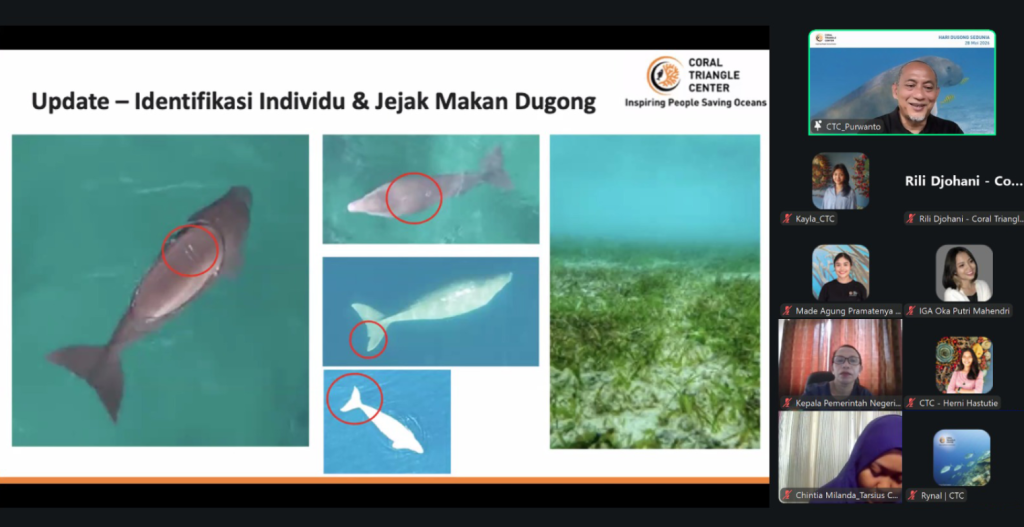
“One of the most important achievements of the Kalesang Dugong Project is seeing local communities take ownership of dugong conservation,” said CTC Maluku Portfolio Manager, Purwanto. “Beyond improving knowledge and awareness, the project has helped strengthen community-led protection through village regulations. In Mahu Village, for example, the local government has formalized dugong protection and waste management measures through Village Regulation No. 3 of 2023 on Natural Resource Protection. This demonstrates that conservation can become more sustainable when communities themselves lead and champion the effort.”
To help sustain these efforts, CTC has introduced Adopt-A-Dugong, a public participation initiative that supports ongoing dugong and seagrass conservation efforts in Maluku.
Building on Coral Triangle Center’s Adopt-A-Coral and Adopt-A-Mangrove initiatives, Adopt-A-Dugong aims to strengthen public participation in marine conservation while supporting activities such as citizen science, awareness and education programs, habitat protection, and long-term conservation action under the Kalesang Dugong Project.
The program introduces two dugong characters available for symbolic adoption. Contributors will receive an adoption certificate, annual conservation updates, educational content, and conservation impact reports documenting dugong observations, outreach activities, and community achievements.
Through Adopt-A-Dugong, CTC hopes to encourage greater public participation in protecting dugongs and seagrass ecosystems. As an indicator of healthy seagrass meadows, dugongs remind us that conserving marine biodiversity is inseparable from safeguarding the coastal ecosystems that support communities and livelihoods.
Writer: Asia Salsabilla
Photos: Casper Kuijper, Kele Project, Kayla Azzahra/CTC, Adam Putra/CTC