
CTC Hosts Indo-Pacific Conservation Leaders to Advance Ocean Equity
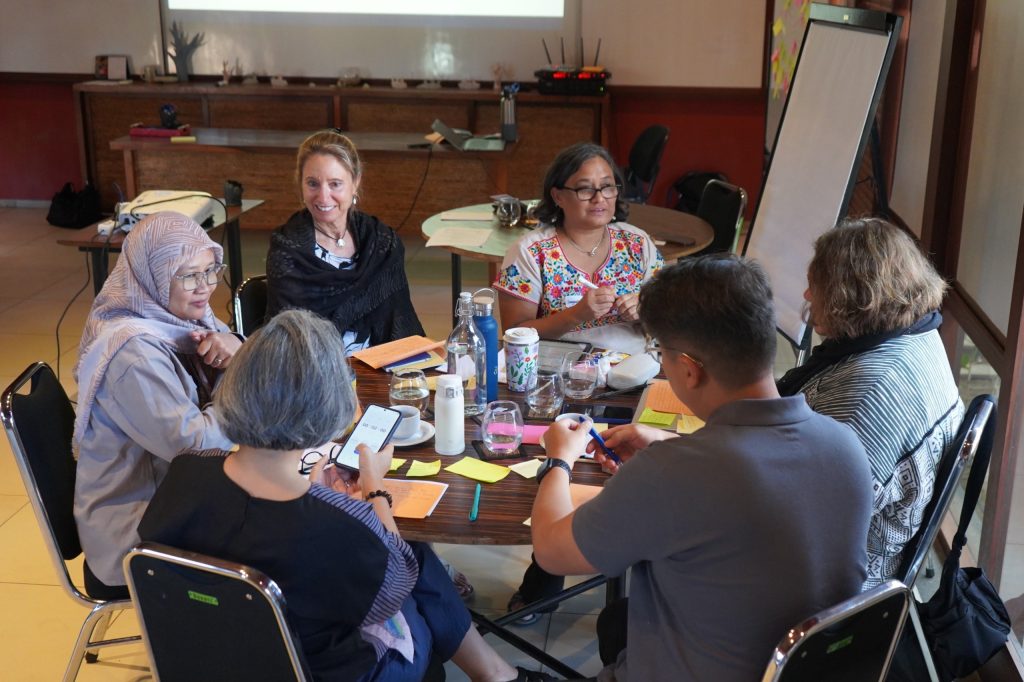
How can marine conservation create benefits that are shared fairly by everyone who depends on the ocean? This important question brought together conservation practitioners, researchers, and NGO representatives from across the Indo-Pacific at the Advancing Ocean Equity Workshop, hosted by CTC Center for Marine Conservation in Sanur, Bali, from June 1 to 3, 2026.
Organized and funded by the Science for Nature and People Partnership (SNAPP) Working Group, the three-day workshop explored how equity can be better integrated into marine resource management. Beyond protecting ecosystems, participants examined what it means to ensure that the social, economic, and environmental benefits of conservation are distributed fairly among coastal communities, governments, and other stakeholders.
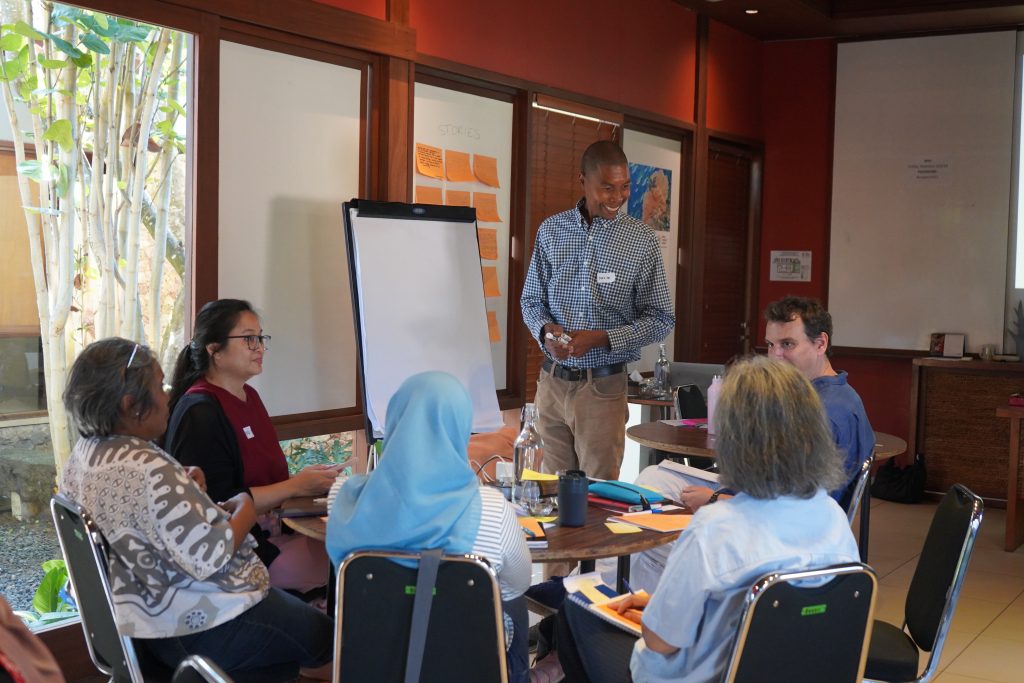
Led by Professor David Gill of Duke University, USA, and Dr. Sangeeta Mangubhai of Talanoa Consulting, Fiji, the workshop brought together 20 participants representing NGOs, academic institutions, and conservation organizations from across the Indo-Pacific. Through interactive discussions, case studies, and peer learning, participants shared real-world experiences of applying equity principles in marine conservation, identified common challenges, and explored practical methods and tools for measuring equity outcomes. The workshop also laid the foundation for stronger collaboration and networking to advance equitable conservation practices across the Indo-Pacific.
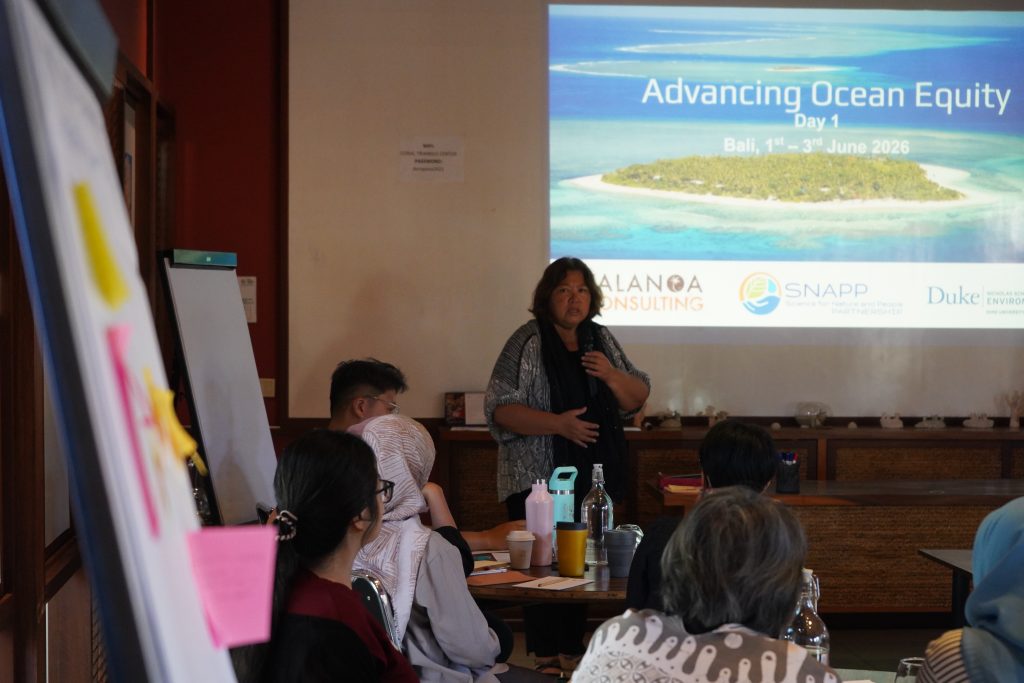
CTC Executive Director, Rili Djohani, shared CTC’s journey in developing and integrating Gender Equality and Social Inclusion (GESI) into its conservation programs, demonstrating how inclusive approaches can strengthen both conservation outcomes and community engagement. Her presentation sparked meaningful discussions and received positive feedback from participants. Many were also inspired by CTC’s history and its unique approach to combining art and science to foster ocean literacy through the learning experiences and interactive exhibits at the center.
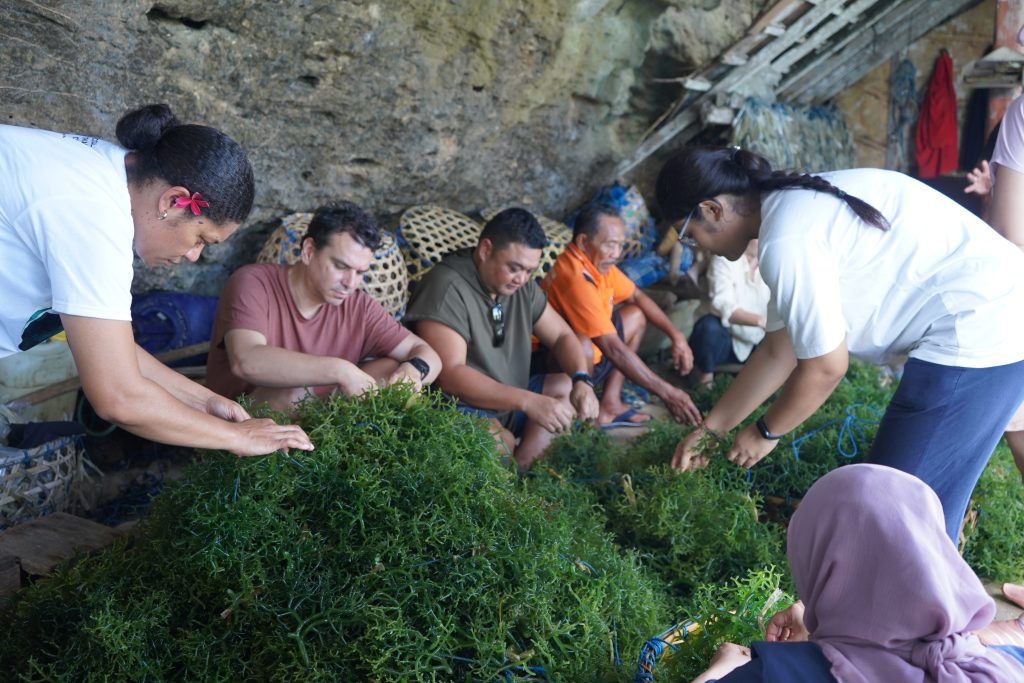
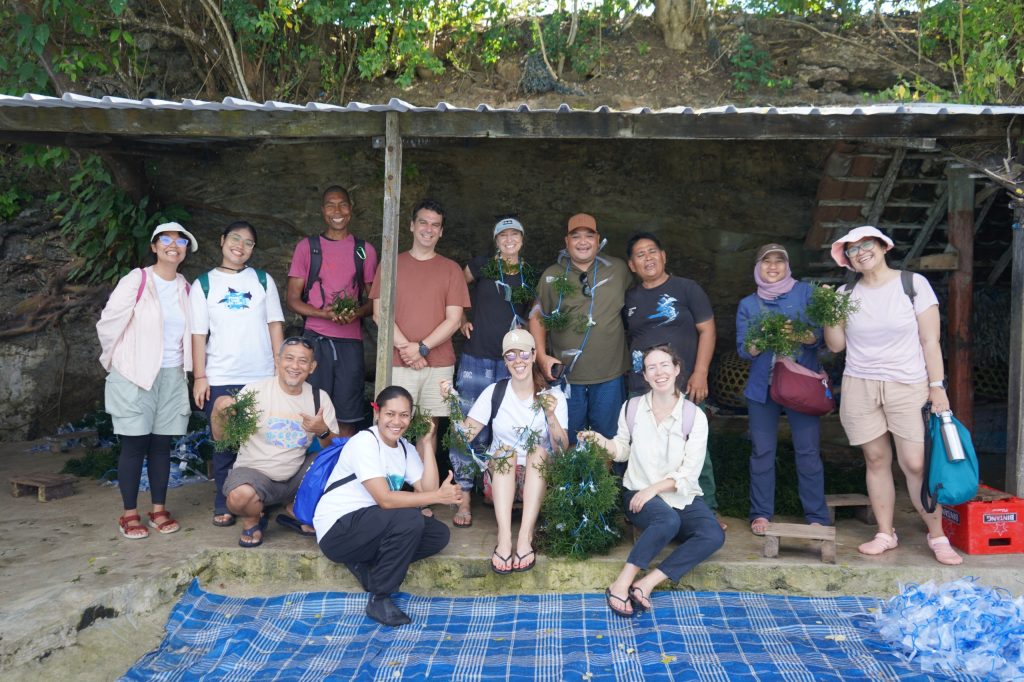
The learning continued beyond the workshop room. On the final day, participants traveled to Nusa Penida Marine Protected Area (MPA) for a field visit that brought many of the workshop’s discussions to life. The group met with local seaweed farming champion I Wayan Suarbawa from the Ghili Buana Community Group to learn how community-led livelihoods can support sustainable marine management. Participants also explored the collaborative management of the Nusa Penida MPA and experienced its vibrant underwater ecosystems firsthand during a snorkeling excursion among its coral reefs.
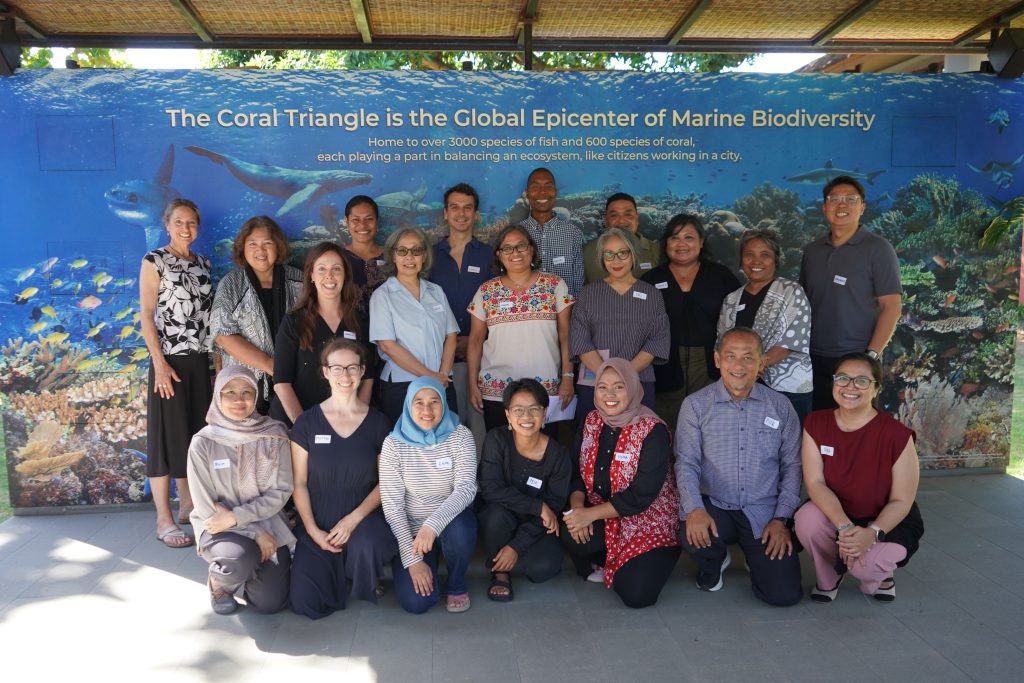
By combining global expertise, local knowledge, and on-the-ground experiences, the workshop reinforced a shared understanding that effective marine conservation is more than just protecting nature. It also ensures that people are meaningfully included and equitably benefit from conservation efforts. The connections and ideas generated during the workshop are expected to strengthen future collaborations and help advance more inclusive, resilient, and lasting ocean conservation across the region.
Writer: Kayla Azzahra
Photos: Kayla Azzahra/CTC