
Stakeholders Help Shape EVIKA 2.0 for More Effective Marine Protected Area (MPA) Management

As Indonesia continues to expand its marine conservation network, ensuring that protected areas deliver ecological, social, and economic benefits has become increasingly critical. At the heart of this effort is Evaluation of Marine Protected Area Management Effectiveness (EVIKA)—Indonesia’s national tool for evaluating Marine Protected Area (MPA) management effectiveness, now in use for over five years. To keep pace with current management realities and emerging conservation priorities, an update is underway.
The update process was led by the Directorate of Ecosystem Conservation (Dit. KE) under the Ministry of Marine Affairs and Fisheries (MMAF) and facilitated by the EVIKA 2.0 drafting team, which includes a representative from Coral Triangle Center (CTC), Silvianita Timotius. Prior to Ambon, similar consultation sessions had been held in Bintan, and the final session will take place in Waisai.
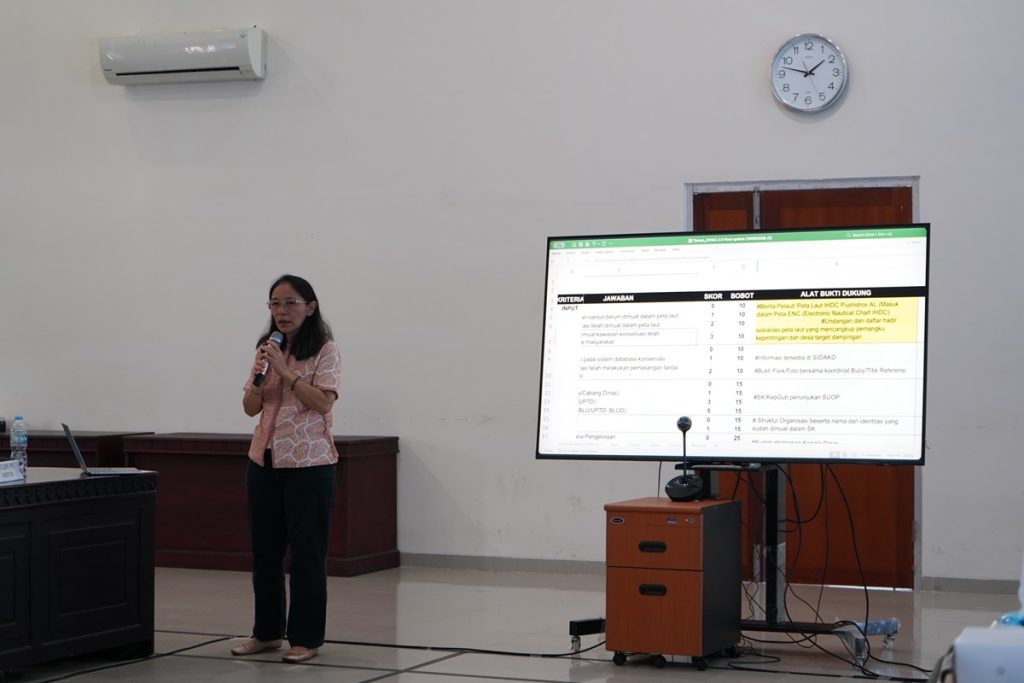
The Ambon Session, a Public Consultation and Field Testing event, was held on May 11–12, 2026, organized by CTC in collaboration with Dit. KE, the Maluku Province Marine and Fisheries Agency, and five NGOs.The event brought together 102 participants—75 attending in person and 27 online—representing Marine Protected Area (MPA) management institutions from Maluku, North Maluku, and East Nusa Tenggara, as well as NGOs, universities, and the Tourism Agency of province Maluku.
On the first day, participants reviewed the draft EVIKA 2.0 framework and discussed key improvements from the previous version. The updated tool is designed to provide clearer indicators and supporting evidence requirements while incorporating safeguards, Gender Equality, Disability, and Social Inclusion (GEDSI) considerations, and resilience indicators.
On the second day, participants field-tested the assessment tool by aligning the proposed indicators with supporting evidence available within their respective institutions. This process allowed MPA managers and stakeholders to evaluate the practicality of the assessment framework while identifying areas that may require further refinement.
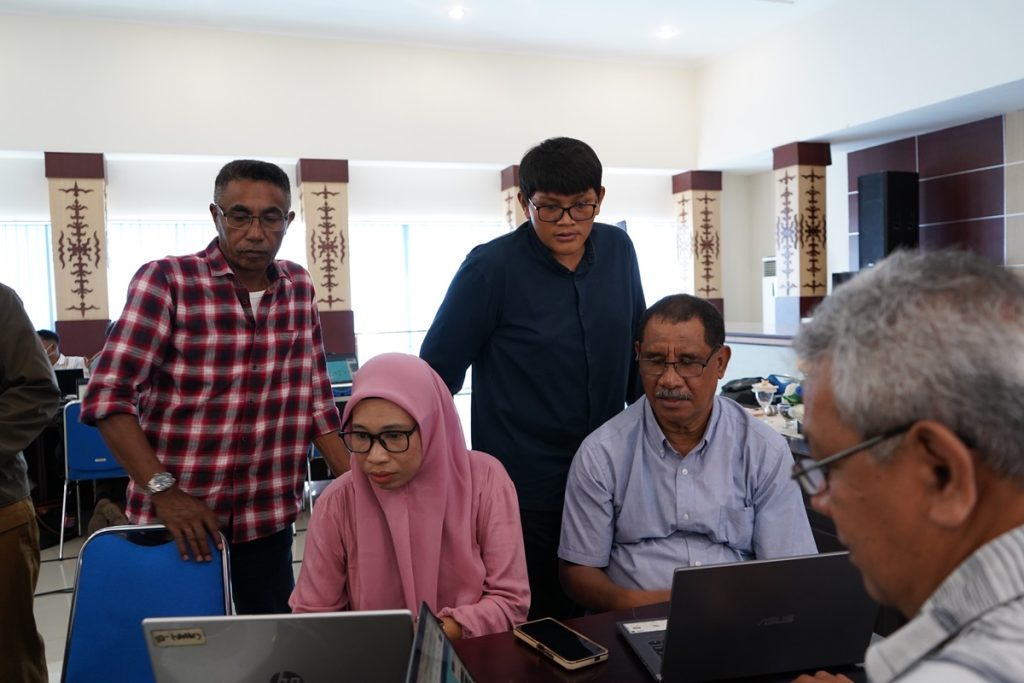
Throughout the two-day process, participants provided valuable feedback on governance, community engagement, management planning, staffing, budgeting, monitoring systems, coordination between government agencies and conservation partners, and collaboration mechanisms. Participants also emphasized the importance of ensuring that MPAs not only protect ecosystems and biodiversity, but also generate meaningful social and economic benefits for local communities. Recommendations gathered during the consultation will be incorporated into the final refinement of EVIKA 2.0 before its official adoption.
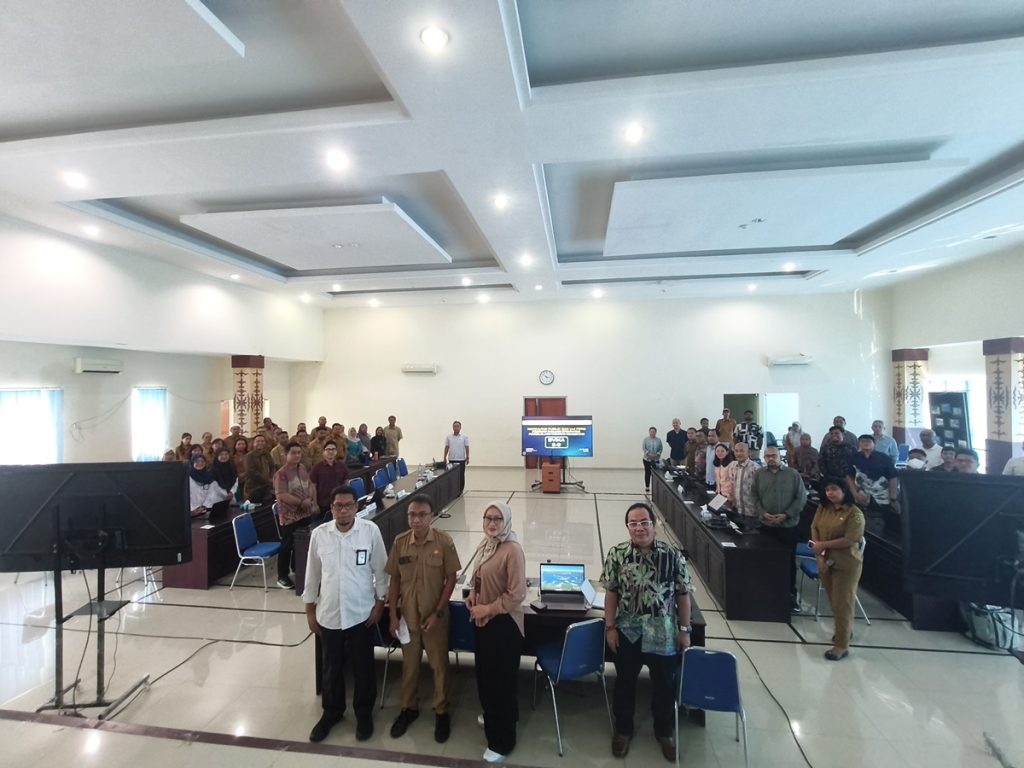
By bringing together MPA managers, government agencies, academic institutions, and NGOs, the consultation provided an important opportunity to strengthen a nationally recognized tool that supports adaptive and accountable MPA management. Once finalized, EVIKA 2.0 is expected to provide a more accurate and comprehensive framework for measuring conservation effectiveness, informing management decisions, and supporting the long-term sustainability of Indonesia’s MPAs.
Writers: Megan Alexis, Kasman
Photos: Megan Alexis/CTC, Rahmad Larae