
Regional Training Activity Strengthens Capacity for MPA Management in the Lesser Sunda Seascape
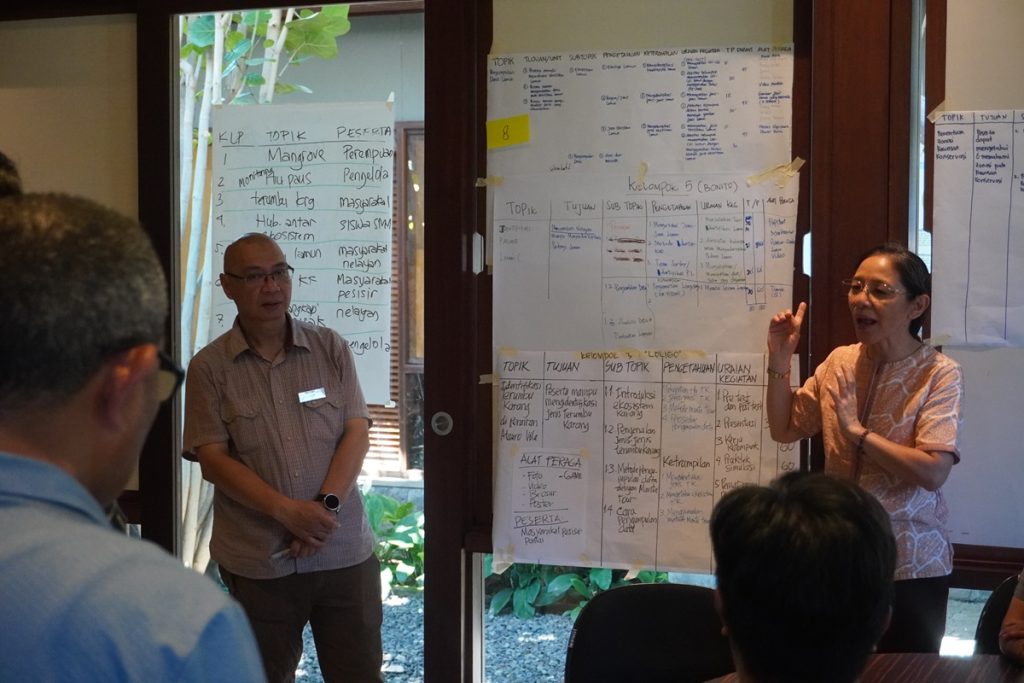
The health of the Coral Triangle’s ocean ecosystems depends not just on policy and funding—it depends on people. Building a strong network of local trainers is essential to scaling conservation knowledge and improving Marine Protected Area (MPA) management across the coral triangle. To address the need, the Coral Triangle Center (CTC) conducted an intensive regional training activity for MPA managers and practitioners from the Lesser Sunda Seascape on May 4–8, 2026 in Bali, Indonesia. The training brought together 31 male and 10 female participants from Indonesia and Timor-Leste, including representatives from government institutions, universities, MPA managers, practitioners, and community leaders working across the Lesser Sunda Seascape.
The Lesser Sunda Seascape is one of the three priority seascapes of the Coral Triangle Initiative on Coral Reefs, Fisheries and Food Security (CTI-CFF). Located in the southwestern part of the Coral Triangle, it spans from Bali to Timor-Leste and covers more than 35.8 million hectares of marine area and 10,886 kilometers of coastline. Positioned between the Indian and Pacific Oceans, the region’s unique currents, depths, and temperatures support exceptionally rich marine biodiversity. The seascape includes 1,056 islands, including Bali, Lombok, Flores, Atauro, and the Alor and Wetar archipelagos.
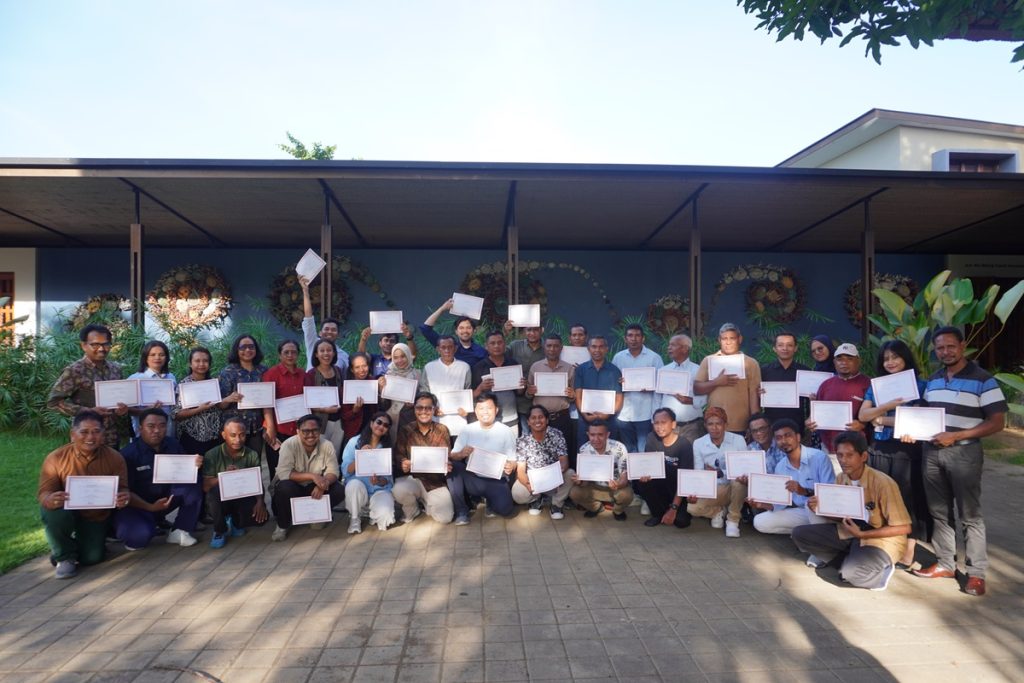
Implemented as part of the CTI-CFF Capacity Building Roadmap, the regional training activity was delivered in collaboration with Konservasi Indonesia, Conservation International Timor-Leste. It was supported by the Solutions for Marine and Coastal Resilience in the Coral Triangle (SOMACORE) program, funded by the German Federal Ministry for the Environment, Nature Conservation, Nuclear Safety and Consumer Protection (BMUV) through the International Climate Initiative (IKI).
The program aimed to strengthen both technical understanding and facilitation competencies among marine conservation practitioners in the region. The training curriculum was shaped by findings from CTC’s 2026 Capacity Needs Assessment (CNA), which identified key gaps among MPA practitioners in the Lesser Sunda Seascape, including foundational MPA concepts, governance systems, zoning and spatial planning, monitoring and evaluation, as well as facilitation and training skills.
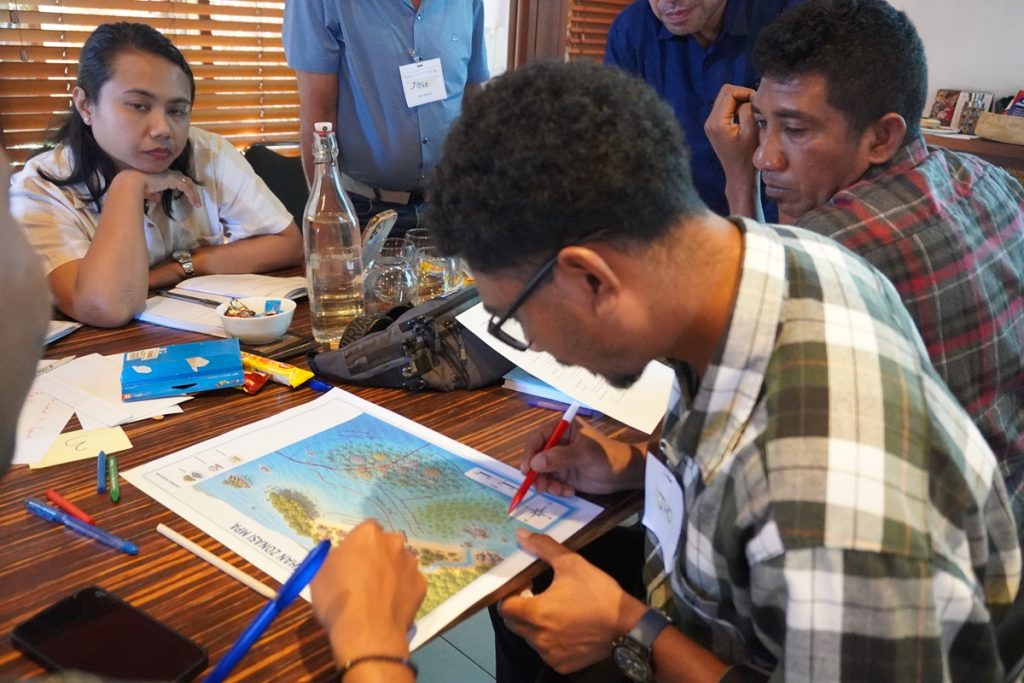
The five-day training addressed all of these, combining technical learning, interactive discussions, practical exercises, and performance-based assessments under a Competency-Based Training approach. Topics included MPA governance and institutional arrangements, zoning systems and spatial planning, monitoring and evaluation, coastal ecosystem, fish ecology, and adaptive management. Participants also strengthened their facilitation and presentation skills through lesson planning and microteaching sessions designed to prepare them to effectively deliver MPA101 training at the site level.
Using a Training Nodes approach, participants are expected to go beyond individual learning—becoming future trainers and knowledge multipliers capable of transferring knowledge and facilitating training activities within their own institutions and communities. Upon completing the program, participants received certificates recognizing both their training completion and their readiness to support and deliver MPA101 training activities as uncertified trainers.
The training was officially opened by the Lesser Sunda Seascape (LSS) Convenor, Mr. Arif Sudianto from the Ministry of Marine Affairs and Fisheries, and closed by the Dr. Christovel Rotinsulu, Deputy Executive Director of the CTI-CFF Regional Secretariat (RS) CTI-CFF.
Dr. Rotinsulu emphasized that effective MPA management requires more than technical knowledge. “We need capable individuals who can transfer knowledge, facilitate learning, and inspire collaboration at the local level. Through the SOMACORE Training Nodes Program, we are investing in people who will become catalysts for long-term conservation impact across the Coral Triangle region,” he said.
Echoing this message, CTC Executive Director Rili Djohani highlighted that the program was designed to strengthen both technical understanding and facilitation skills so that practitioners can continue sharing knowledge within their own networks. “We hope participants will become active multipliers who can strengthen conservation learning processes and support more effective marine management across the region,” she said.
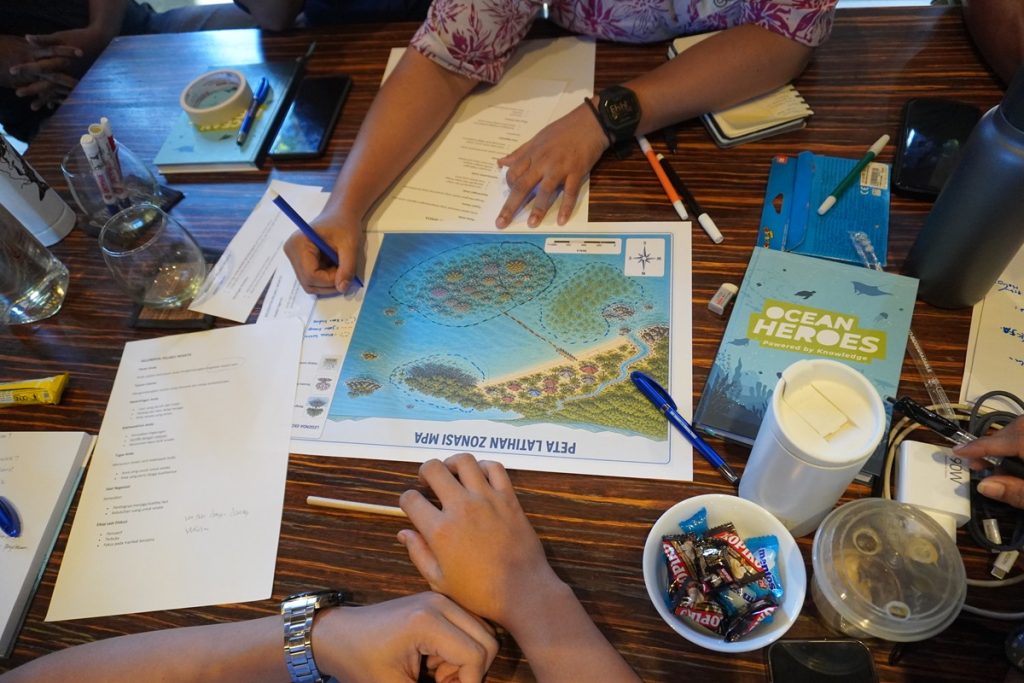
Participants described the training provided as both practically valuable and personally meaningful. Francisco da Silva, Coordinator of Fisheries Department in Manufahi Municipality, Timor-Leste, highlighted the relevance of what he had learned, particularly in ecosystem management and community engagement. “During these five days, I received many valuable inputs from the trainers and fellow participants, especially on approaches to engage coastal communities and support conservation initiatives. I also learned more about managing ecosystems such as mangroves and seagrass habitats, which gave me new ideas to implement in my area,” he said.
Lia from the Belu Branch Office of the Marine and Fisheries Agency, East Nusa Tenggara Province, Indonesia, reflected on how the training reconnected her with the broader field aspects of marine conservation beyond her daily administrative responsibilities. “I usually focus on administrative tasks, but through this training I was reminded again about the importance of understanding conservation and community engagement directly. We are ready to support and help facilitate education and outreach activities for surrounding communities,” she said.
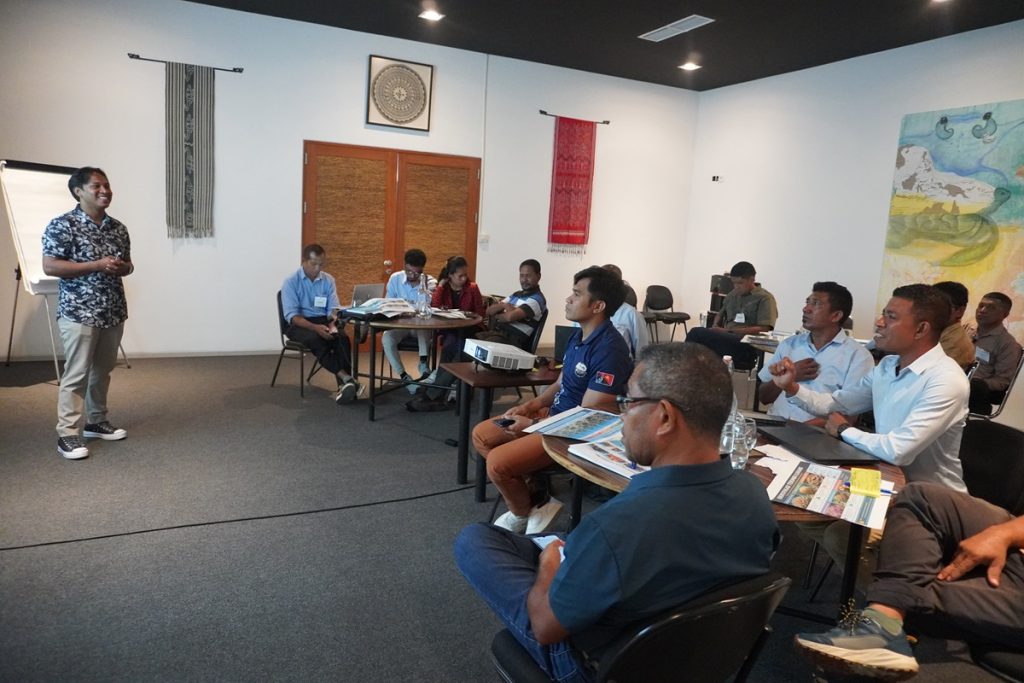
Following the training, participants are expected to replicate and lead MPA101 learning sessions within their respective sites, institutions, and communities—strengthening capacity across the Lesser Sunda Seascape from the ground up. This initiative cultivated a network of capable local champions who can deliver standardized, practical, and context-driven foundational MPA learning in their own areas of work.
By investing in local trainers and expanding accessible conservation education, the SOMACORE Training Nodes activity plays a strategic role in advancing long-term marine conservation outcomes. The program directly improves MPA management effectiveness, fosters cross-sector collaboration, and supports more resilient and sustainable marine governance throughout the Coral Triangle region.
Writer: Asia Salsabilla
Photos: Asia Salsabilla/CTC