
Reef Fish Abundance Increases Fivefold in Atauro Island Marine Protected Area

Fish populations around Atauro Island in Timor-Leste have increased more than fivefold over eight years, according to monitoring results from the Coral Triangle Center (CTC). The findings also show that the coral reef conditions remained broadly stable, providing new insights into the health of marine ecosystems within Timor-Leste’s first integrated marine protected area (MPA), the Atauro Island MPA.
Between 2017 and 2025, the average reef fish abundance increased from 1,365 to 7,264 individuals per hectare, or a 432% increase. The average fish biomass also grew by 156%, from 336 kg to 860 kg per hectare.
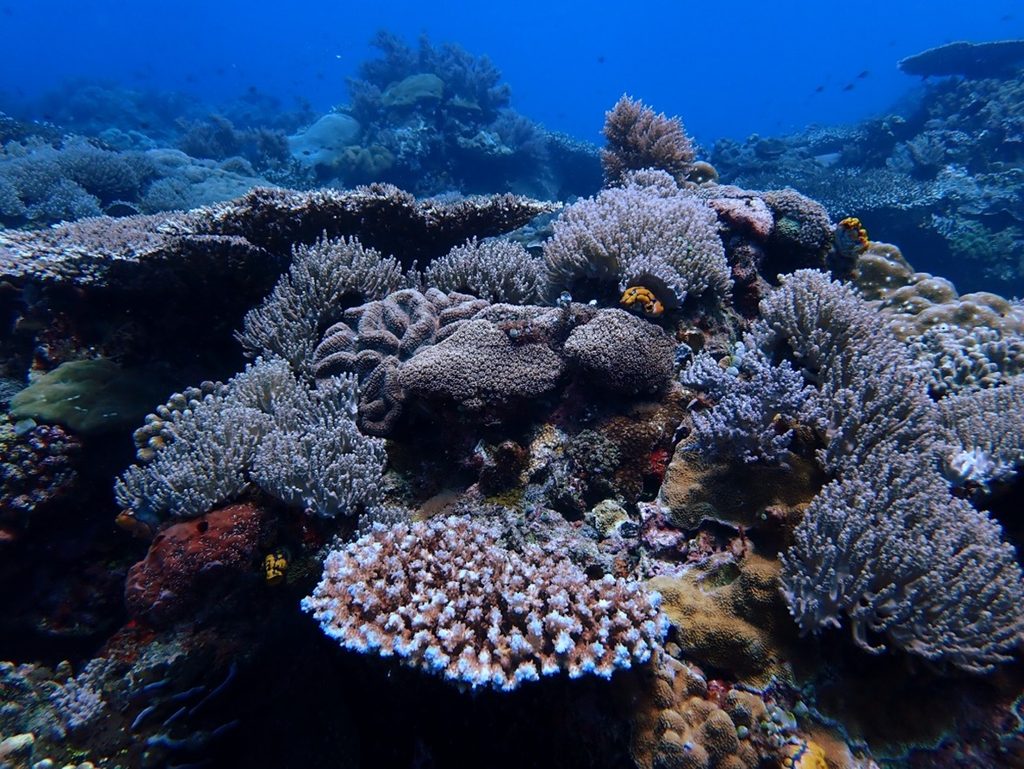
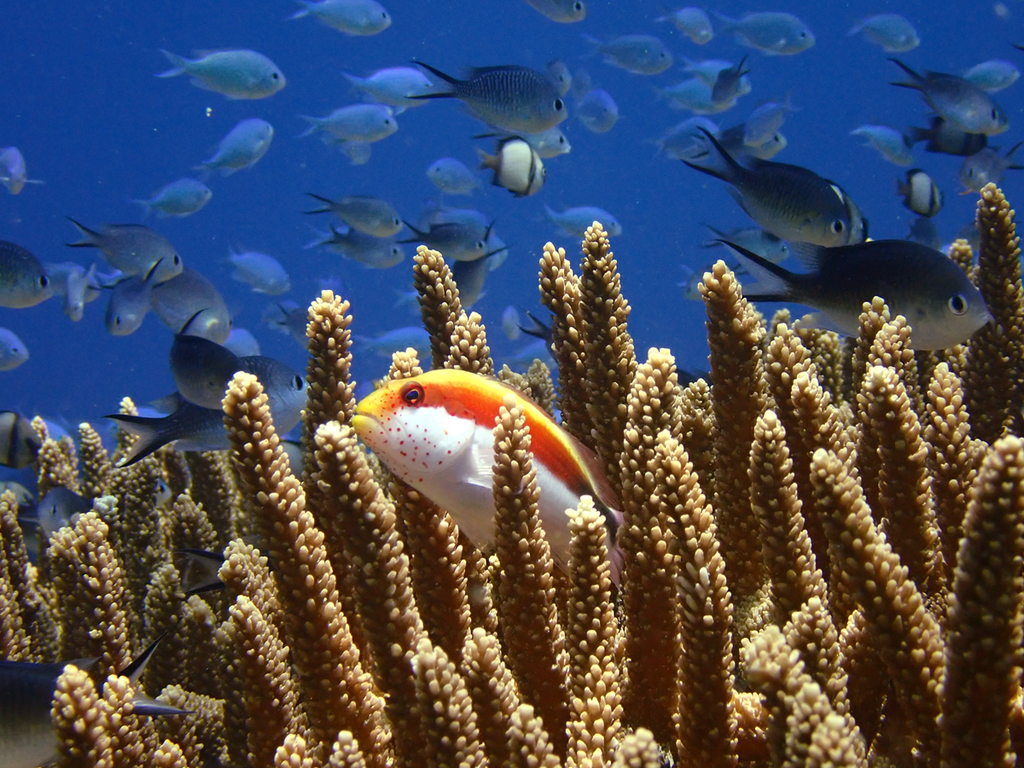
The 2025 assessment covered 19 monitoring sites across different MPA management zones and surveyed 14 target fish families using Underwater Visual Census (UVC). The fish community was heavily dominated by Caesionidae (fusiliers), Acanthuridae (surgeonfish), and Lutjanidae (snappers), which are important to Timor Leste’s commercial and subsistence food fish. This thriving fishery directly secures food security and livelihoods for Timor-Leste’s coastal communities.
Alongside the increase in fish populations, coral reef monitoring showed that reef conditions remained stable between 2017 and 2025. Using the Point Intercept Transect (PIT) method to assess coral reef health, researchers recorded an increase in average live hard coral cover from 38.91% to 42.29%. In 2025, most monitoring sites recorded a Coral Mortality Index (CMI) below 0.04, indicating low levels of coral mortality despite the global coral bleaching events in 2024.
CTC conducted the latest monitoring from September to October 2025 in collaboration with the Ministry of Agriculture, Livestock, Fisheries, and Forestry, in partnership with Blue Ventures Timor-Leste, Roman Luan Foundation, and the Universidade Nacional Timor Lorosa’e.
“The increase in fish abundance and biomass provides valuable evidence of ecological change within the MPA and a baseline for continued monitoring. At the same time, the results also highlight the need for continued monitoring at sites where coral condition has declined, so that local pressures can be identified and addressed,” said CTC Senior Marine Conservation Advisor, Marthen Welly.
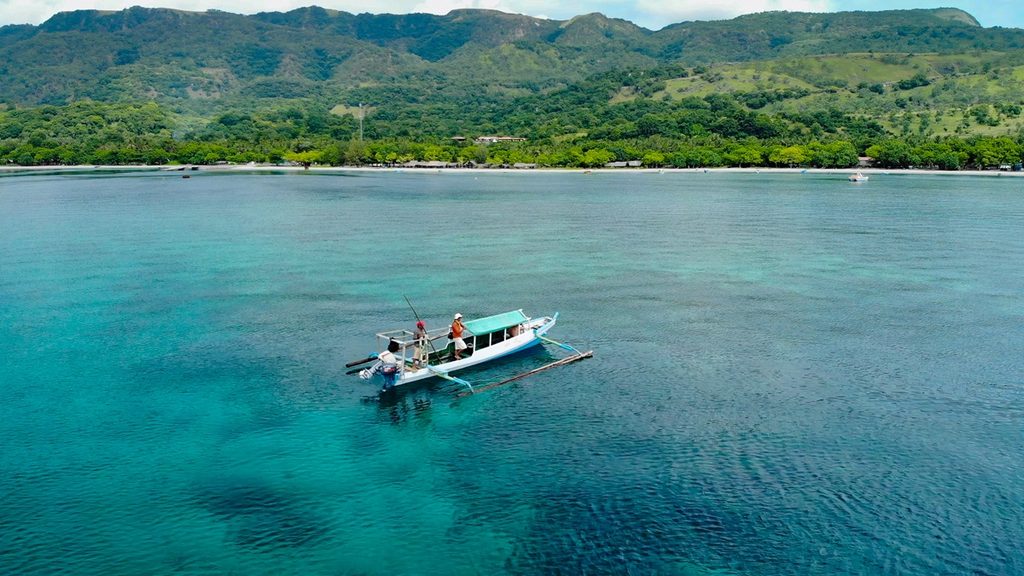
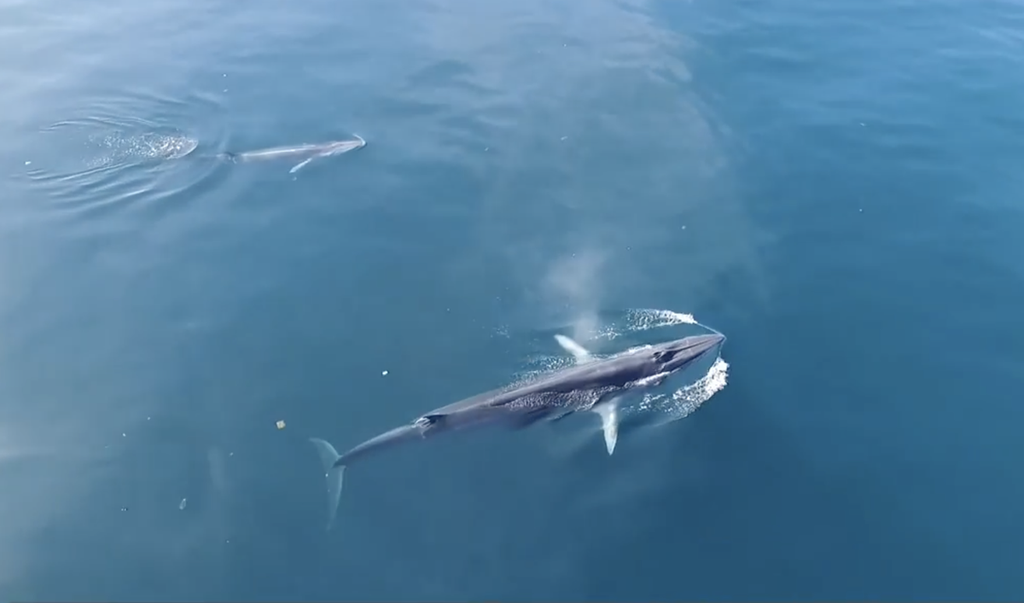
Atauro’s ecological importance extends beyond the island itself. Located within the Coral Triangle, the island supports coral reefs, seagrass meadows, mangroves, sea turtles, dugongs, and cetaceans. These ecosystems and species do not follow village boundaries. Fish move between reefs, while marine megafauna can travel across much larger areas, underscoring the importance of scale in conservation.
In January 2023, Timor-Leste established the 13,252-hectare Atauro Island MPA through a Ministerial Decree. The designation brought conservation efforts across the island’s five villages under one nationally recognized management framework while allowing communities to maintain traditional resource management practices, including Tara Bandu.
Within this framework, more than 70% of the MPA is designated as a fisheries zone, allowing communities to continue fishing sustainably, while areas with important conservation targets receive stronger protection through no-take core zones. The shared framework also enables government, local authorities, traditional leaders, communities, and conservation partners to coordinate management across the island.
This island-wide approach is supported by regular MPA patrols, resource-use monitoring, and biophysical monitoring, which provide information to understand changes across the MPA’s zones and to inform management decisions. Data on fish populations, coral conditions, and other marine ecosystems help identify where the MPAs’ biophysical conditions are changing and where further management attention may be needed. CTC has supported this process through MPA assessment and planning, ecological monitoring, capacity building, and community engagement, in collaboration with government, communities, and partners.
This is increasingly important as Timor-Leste works towards its commitment to conserve 30% of its marine areas by 2030, contributing to the global 30×30 target under the Kunming-Montreal Global Biodiversity Framework. As a member of the Coral Triangle Initiative on Coral Reefs, Fisheries and Food Security (CTI-CFF), Timor-Leste’s progress also contributes to wider regional efforts to safeguard marine biodiversity, fisheries, and coastal livelihoods.
“30×30 provides an important global framework for countries to strengthen the protection and management of their marine resources,” said CTC Executive Director, Rili Djohani. “For Timor-Leste, this commitment is particularly relevant as part of the Coral Triangle and the Coral Triangle Initiative. Atauro’s integrated MPA shows how effective management and long-term ecological monitoring at the local level can contribute to a broader national and regional conservation ambition.”
While the monitoring results do not establish that MPA management directly caused the increases in fish abundance and biomass, they provide valuable evidence of ecological changes over time. By bringing customary conservation, scientific evidence, and national legal frameworks together within a single MPA system, the integrated management approach in Atauro provides a foundation for managing the island’s marine resources sustainably and effectively while contributing to Timor-Leste’s 30×30 marine conservation ambition.
Writers: Asia Salsabilla, Marthen Welly, Egidio Boavida
Photos: Marthen Welly/CTC, Eureka Amadea/CTC, Mike Veitch/Underwater Tribe