
Multi-stakeholder Collaboration Strengthens Lucipara Islands as a Top Marine Tourism Destination in Maluku Through Marine Protected Area (MPA) Management
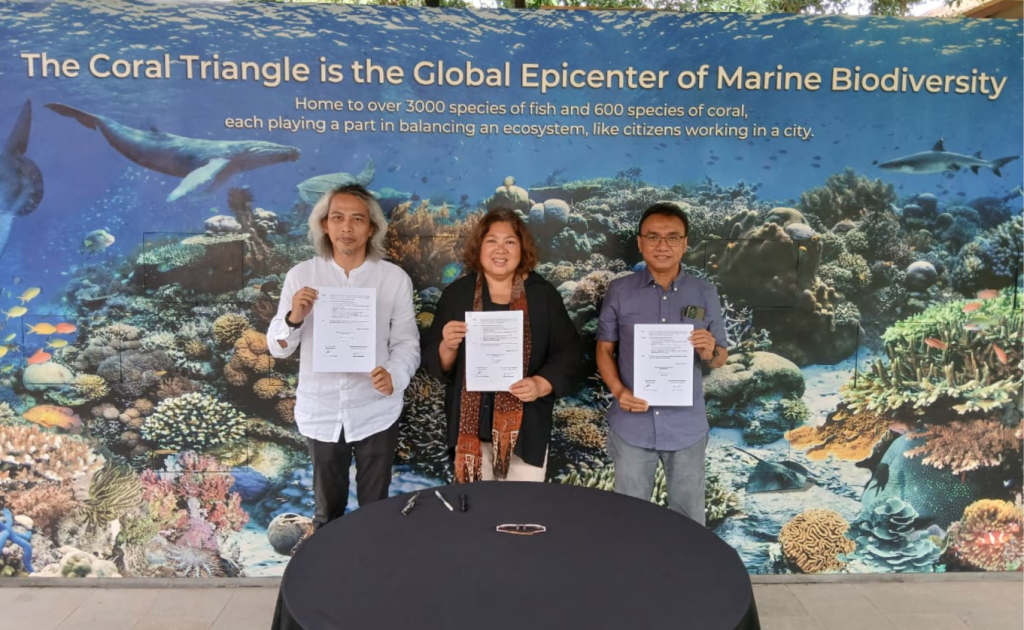
On 2–3 March 2026, the Maluku Marine Affairs and Fisheries Department (DKP Maluku), Coral Triangle Center (CTC), and Yayasan Konservasi Alam Nusantara (YKAN) held a Collaboration Opportunities Discussion at Center for Marine Conservation, Sanur, Bali. The meeting aimed to strengthen their joint commitment to establishing and managing the Lucipara Islands as a Marine Protected Area (MPA) in Maluku Province. It also sought to align a shared direction for collaboration, develop a roadmap, and identify concrete steps toward the effective and sustainable management of the Lucipara Islands MPA.
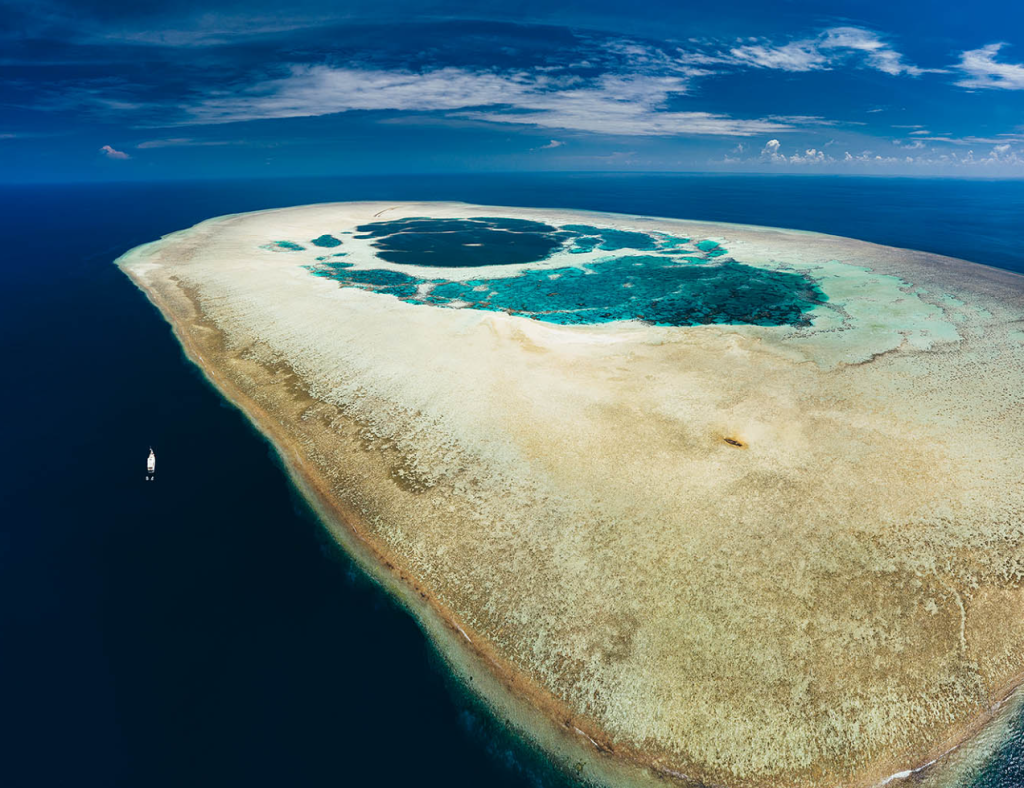
This discussion was designed as an initial consolidation platform for the Maluku Marine Affairs and Fisheries Department (DKP), CTC, and YKAN to ensure that the process of establishing the marine protected area is based on scientific data, aligned with regional policies, and takes into account the social dynamics and administrative status of the Lucipara Islands. The meeting was also an important step in building a collaborative commitment through 2028.
Rili Djohani, Executive Director of the Coral Triangle Center, in her remarks highlighted the rich marine biodiversity of the Lucipara Islands, which includes coral reefs, sharks, napoleon fish, and sea turtles. She reported that field observations conducted in 2021 recorded a high occurrence of sharks and sea turtles in the area. However, she also warned of the serious threat posed by explosive fishing practices, which deplete fish stocks and destroy coral reefs. Rili emphasized the need for structured, sustainable, multi-stakeholder collaboration to ensure effective management of the marine protected areas.
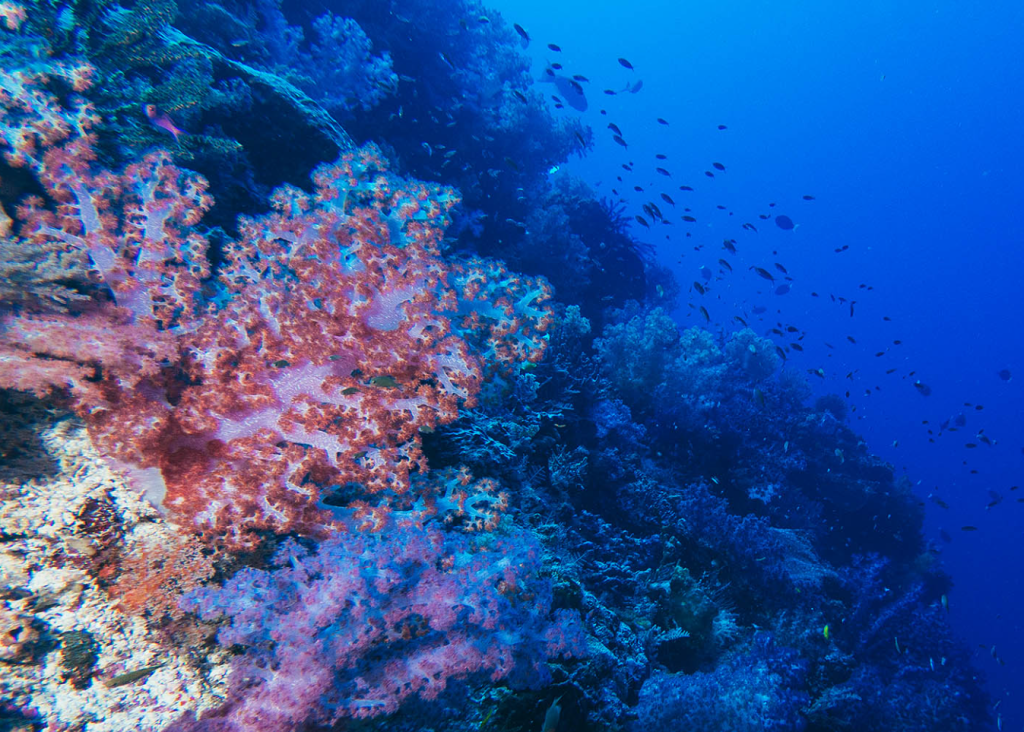
The meeting also featured a presentation and discussion with Angelique Songco, Protected Area Superintendent of Tubbataha Reefs Natural Park. Tubbataha is known as one of the most effectively managed marine protected areas in the Philipines and is a premium diving destination. The Lucipara Islands share many similarities with Tubbataha, making the discussion a valuable learning experience and reference for the management of the Lucipara Islands.
Muhammad Ilman, Marine Program Director of Yayasan Konservasi Alam Nusantara (YKAN), emphasized that collaboration is a key factor in preserving Maluku’s seascape. He explained that integrating the expertise and roles of each stakeholder will allow the process of establishing the marine protected area to progress more effectively, while maintaining a balance between biodiversity conservation and responsible economic use. He also highlighted that the jointly developed roadmap provides a crucial foundation for the long-term sustainability of marine resources in the Lucipara Islands.
At this meeting, Erawan Asikin, Head of the Maluku Marine Affairs and Fisheries Department (DKP), expressed his appreciation for the commitment and technical support provided by CTC and YKAN in advancing the region’s conservation agenda. He emphasized that the Government of Maluku Province gives serious attention to the management of the Lucipara Islands as part of its broader vision for marine and fisheries development in Maluku. From a policy perspective, the Lucipara Islands have been allocated within the Maluku Provincial Spatial Plan, covering an area of 388,712.10 hectares and falling under the province’s management authority.
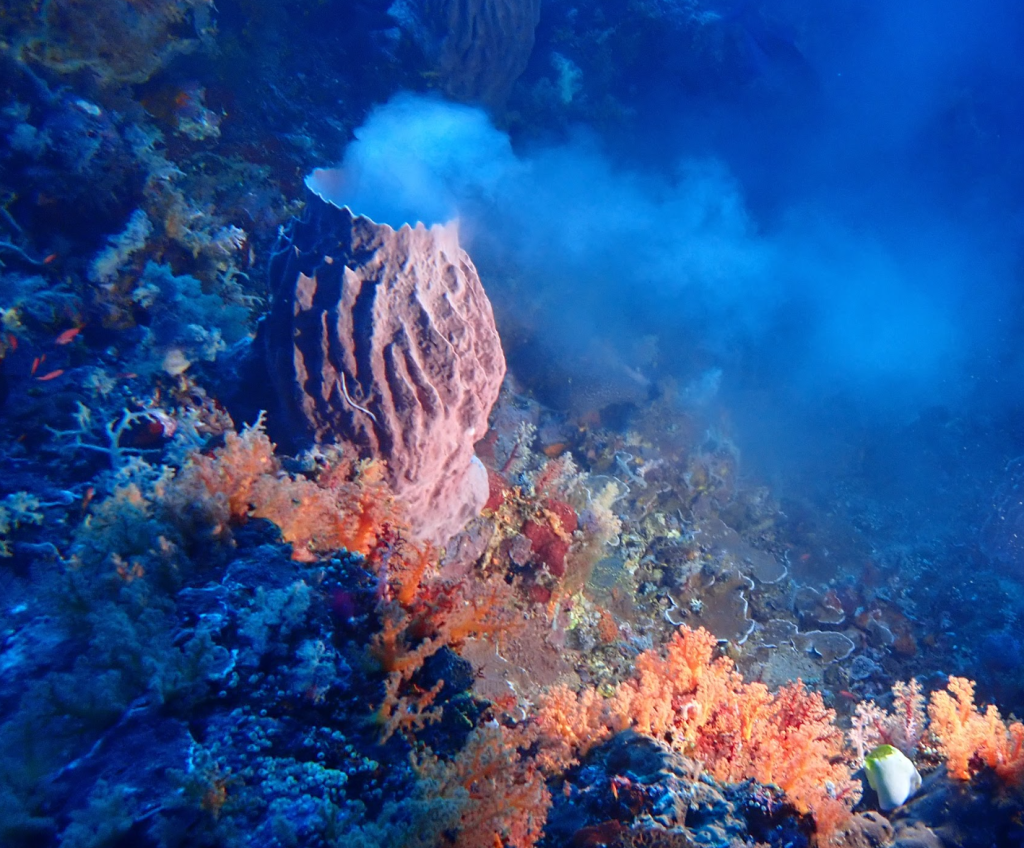
Erawan explained that the management of the Lucipara Islands aims not only to protect ecosystems but also to create opportunities for well-managed economic development. This vision aligns with the goals of Hendrik Lewerissa, Governor of Maluku, who supports developing the Lucipara Islands as a premier marine tourism destination based on effective marine protected area management. He also seeks to enhance Maluku’s Local Own-Source Revenue (PAD) from the marine and fisheries sector, while ensuring that development respects sustainability principles and environmental carrying capacity.
Technical presentations from CTC and YKAN strengthened the scientific basis for area management. Field findings revealed a high abundance of sea turtles and sharks, varying coral reef conditions ranging from damaged to very good, as well as the presence of deep-sea features such as submerged reefs, seamounts, submarine canyons, and trenches that hold significant conservation value. These features also indicate the presence of cetacean habitats and regional ecological connectivity in the Banda Sea. Beyond the biophysical aspects, the discussion also highlighted social dynamics, island ownership claims, the presence of non-permanent users of the area, and the importance of stakeholder mapping as an integral part of the process of establishing the marine protected area.
This meeting agreed on the initial structure of the Lucipara Islands management roadmap until 2028. The roadmap includes seven main components:
– Establishment of a consortium for the development of the Lucipara Islands Marine Protected Area,
– the designation of the Lucipara Islands as a marine protected area,
– strengthening institutional capacity and human resources for marine protected area management,
– developing sustainable funding and regional economy, supporting the implementation of marine protected area management;
– communication and outreach, and
– fundraising and partnership strengthening.
As a follow-up, the parties agreed to establish a consortium involving the Maluku Marine Affairs and Fisheries Department (DKP), YKAN, and CTC, with opportunities for additional partner involvement. The initial agreement was documented in an official report outlining the division of roles among partners, alignment of activity timelines, the development of the management roadmap, preparation for field surveys at the safest period, strengthening stakeholder mapping including consultations with claimant families, and the development of an initial fundraising proposal.
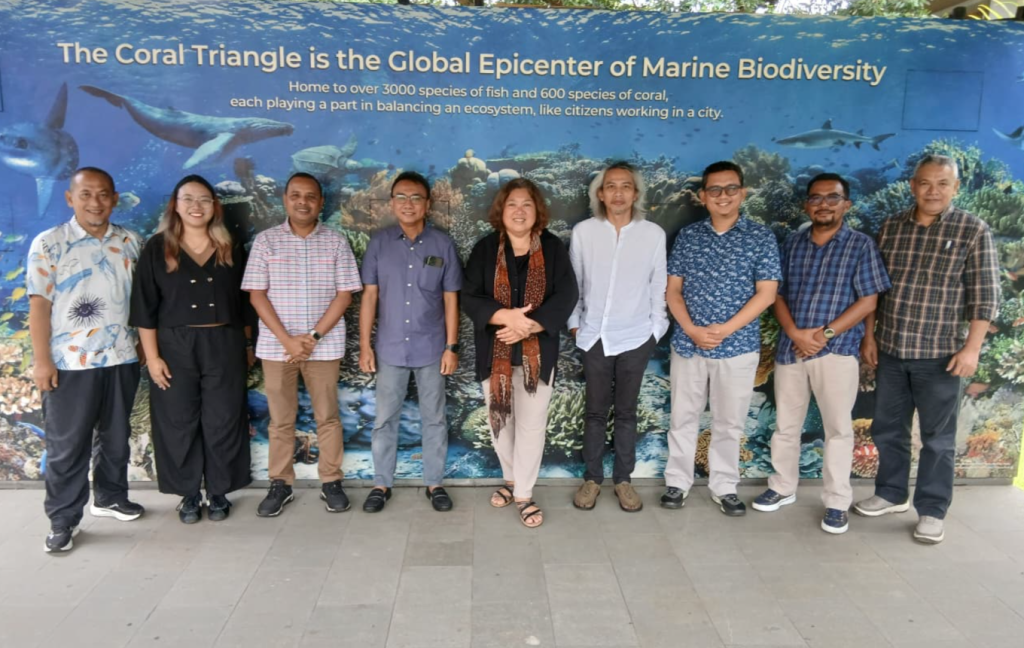
The roadmap is expected to be finalized in a follow-up forum in Ambon after Eid al-Fitr, along with the establishment of the formal consortium.
Through this collaborative process, the Maluku Marine Affairs and Fisheries Department (DKP), together with CTC and YKAN, hope that the Lucipara Islands can be developed as a marine protected area that is scientifically robust, inclusive in its governance, and capable of delivering sustainable ecological and economic benefits for Maluku and future generations.
Photos: Purwanto/CTC, Adam Putra/CTC, Tommy Schultz