
Kalesang Banda Strengthens Marine Conservation Through Collaboration and Education
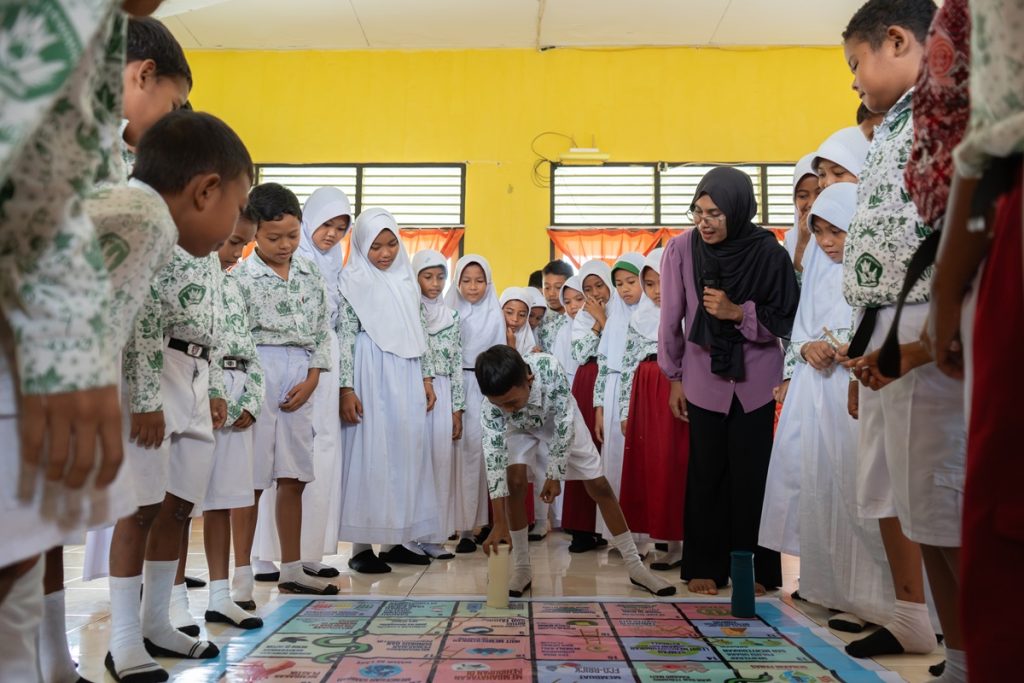
As part of the Kalesang Banda Program, the Coral Triangle Center (CTC) conducted a series of activities in May 2026 to strengthen marine conservation efforts in the Banda Islands. Through a stakeholder workshop and environmental awareness campaign to elementary schools, the program promoted collaboration, improved knowledge on Endangered, Threatened, and Protected (ETP) species, and raised awareness about the impacts of waste and plastic pollution on marine ecosystems.
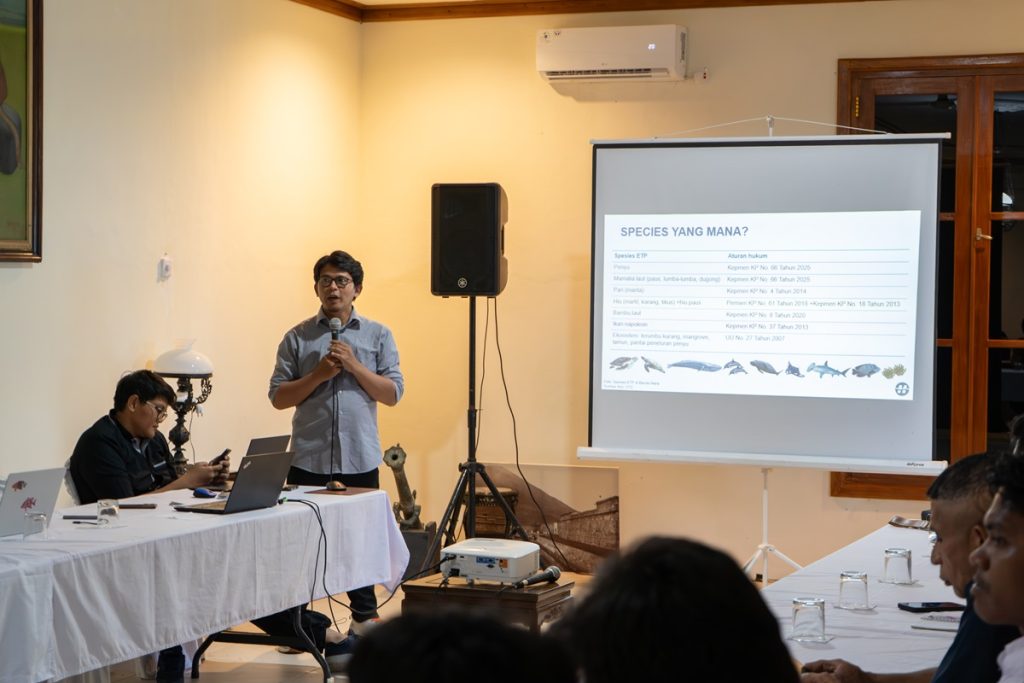
On May 1, 2026, CTC, supported by PT Hatfield Indonesia, conducted a workshop on ETP species monitoring mechanisms and technical protocols in the Banda Islands. The workshop was attended by 28 participants representing a range of stakeholders in Banda, including Maluku Province Marine and Fisheries Agency, the Marine and Fisheries Branch Office (Cluster VI) of the Banda Islands, the Kupang Marine Management Agency – Banda Service Unit, the Navy, Water Police, dive operators, guide associations, Banda Neira University, Department of Transportation (DISHUB), Harbour Master, PELNI, NGOs, and Community-based Surveillance Group (Pokmaswas), reflecting a strong cross-sectoral approach to marine conservation.
During the workshop, CTC presented a draft of standardized monitoring mechanisms and technical protocols for ETP species within the Banda Marine Protected Area (MPA) Network. Participants reviewed key elements of the proposed framework, including monitoring mechanisms, species identification, data collection methods, reporting procedures, and approaches for involving local communities in monitoring activities. Through interactive discussions, participants shared field experiences, identified challenges, and explored opportunities to strengthen coordination among stakeholders.
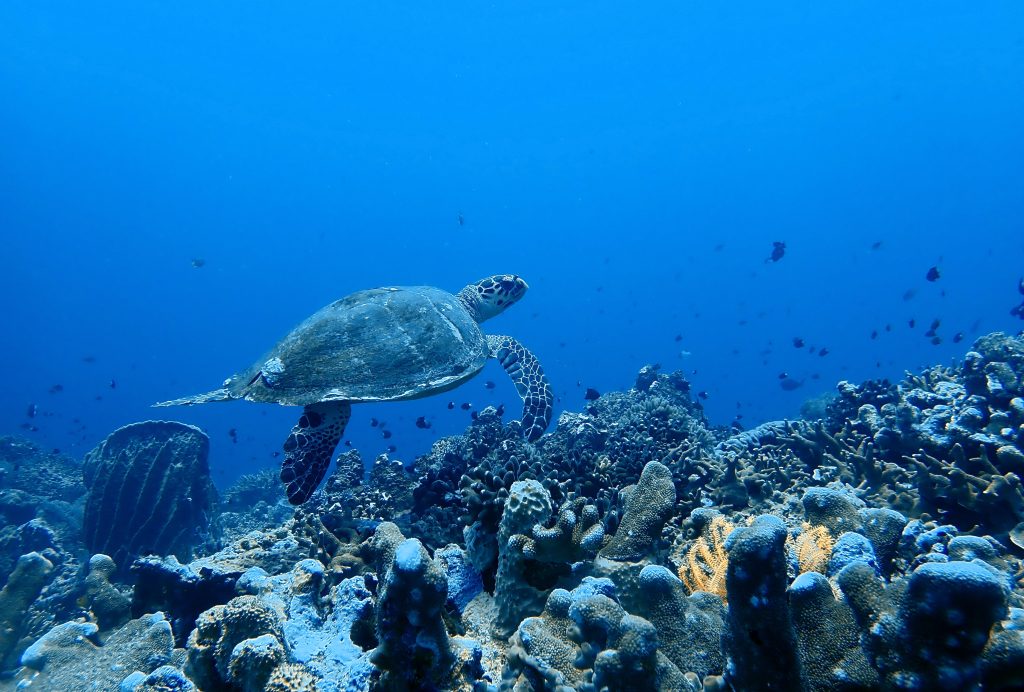
Discussions highlighted several threats affecting ETP species and marine ecosystems in the Banda Islands, including bycatch of protected species such as sharks and sea turtles, illegal trade of turtle products, marine debris and waste, coral reef damage caused by anchors, and limited coordination in monitoring and reporting systems. Participants emphasized the importance of community-based monitoring and citizen science approaches to improve data collection and strengthen conservation efforts.
A key outcome of the workshop was the participants’ agreement on the draft ETP species monitoring protocol for implementation within the Banda MPA Network. Stakeholders also committed to supporting the collection and sharing of data on ETP species and related threats, while exploring the development of an “ETP-Threat Hotspot” reporting system to help identify priority areas for conservation action.
The workshop reinforced the importance of collaboration among government agencies, local communities, tourism operators, and NGOs in strengthening long-term monitoring and protection of marine biodiversity in the Banda Islands.
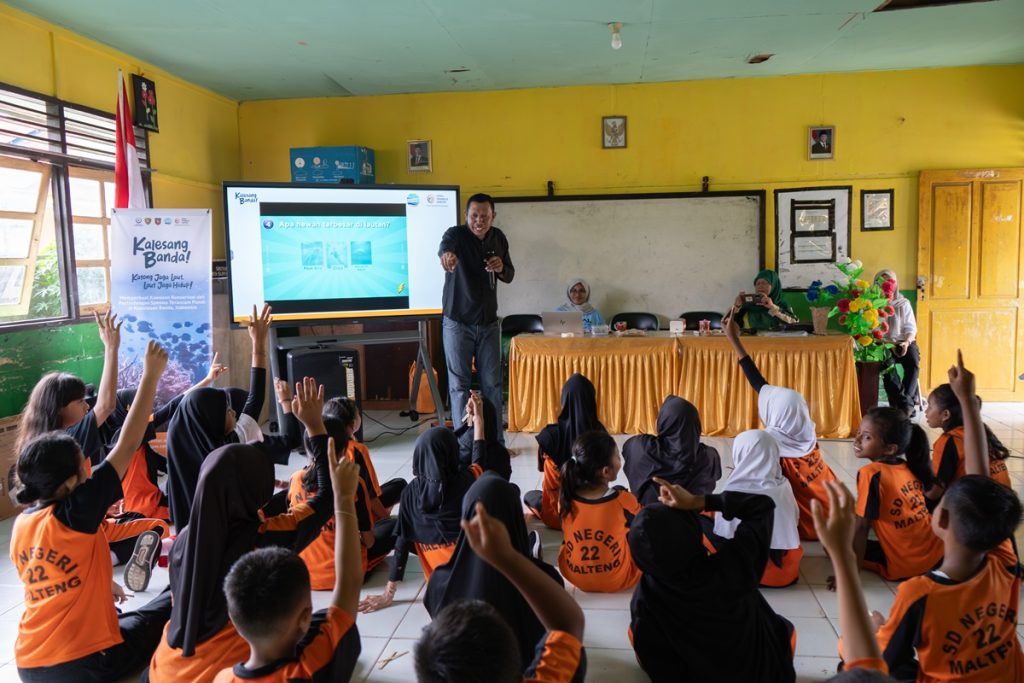
CTC also conducted environmental awareness campaigns in five elementary schools across the Banda Islands on May 19–23, 2026. The activity engaged 149 students through interactive activities designed to increase participants’ knowledge, awareness, and concern regarding the importance of protecting coastal and marine ecosystems, the importance of protecting ETP species, and understanding the impacts of plastic waste on the coastal and marine environment of the Banda Islands.
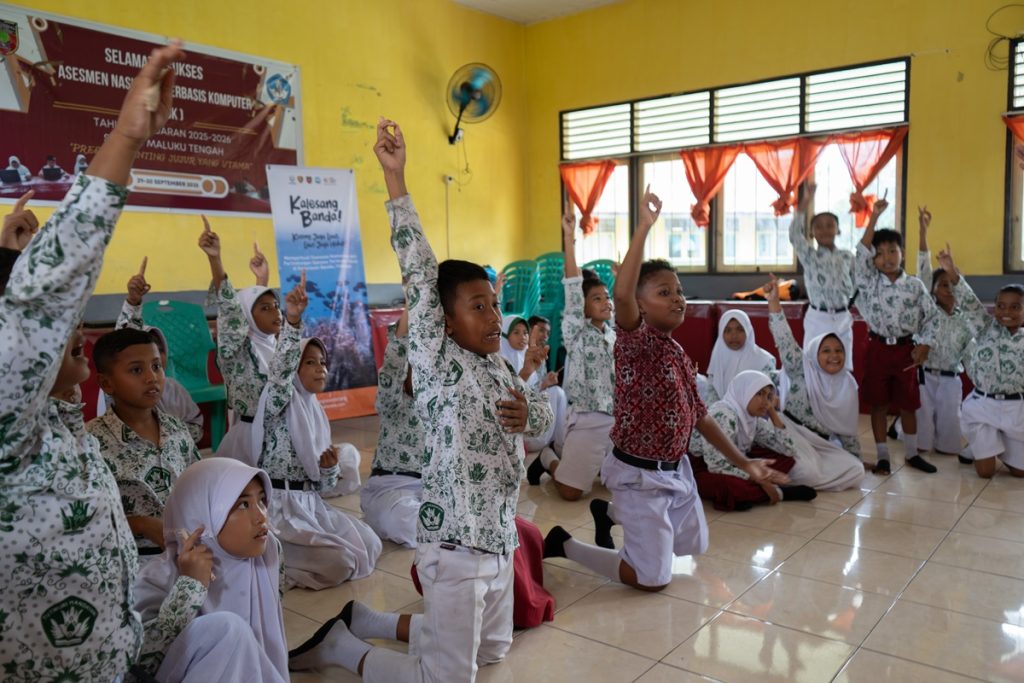
Students participated in educational games, presentations, and interactive discussions. They learned about ETP species found in the Banda Islands, including sea turtles, sharks, whales, dolphins, and humphead wrasse, and explored ways they can contribute to protecting marine biodiversity. They also learned about the impacts of plastic pollution on coastal and marine ecosystems.
“I have many hopes for the future. I hope that what the children learn will have a real impact on their daily lives and become part of their everyday behavior. I also hope that CTC’s collaboration and programs like this can continue sustainably in the future, with the possibility of being repeated again.” – Ajeng Selaningrat (Principal of SD Negeri 207 Maluku Tengah)
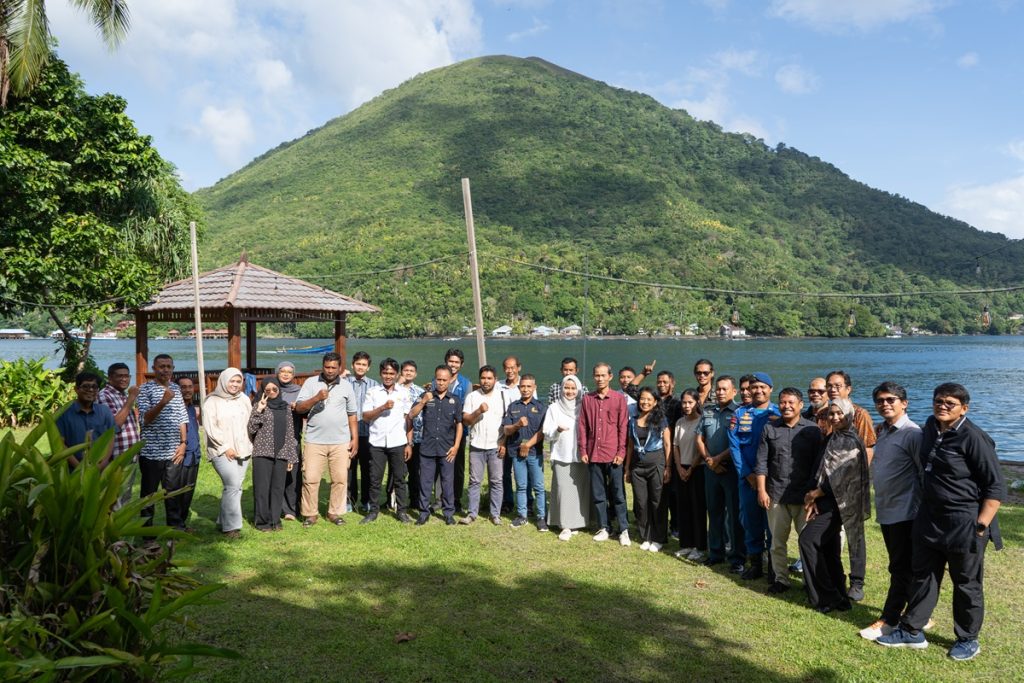
The activities generated strong enthusiasm among participants, from stakeholders involved in marine management to students learning about ocean conservation. Together, these initiatives demonstrate the Kalesang Banda Program’s commitment to strengthening marine conservation through collaboration, knowledge sharing, and community engagement, helping build a foundation for the long-term protection of the Banda Islands’ marine ecosystems.
Writers: Megan Alexis
Photos: Megan Alexis/CTC