
Kalesang Banda Kick-Off Meetings Strengthen Local Commitment for Marine Conservation
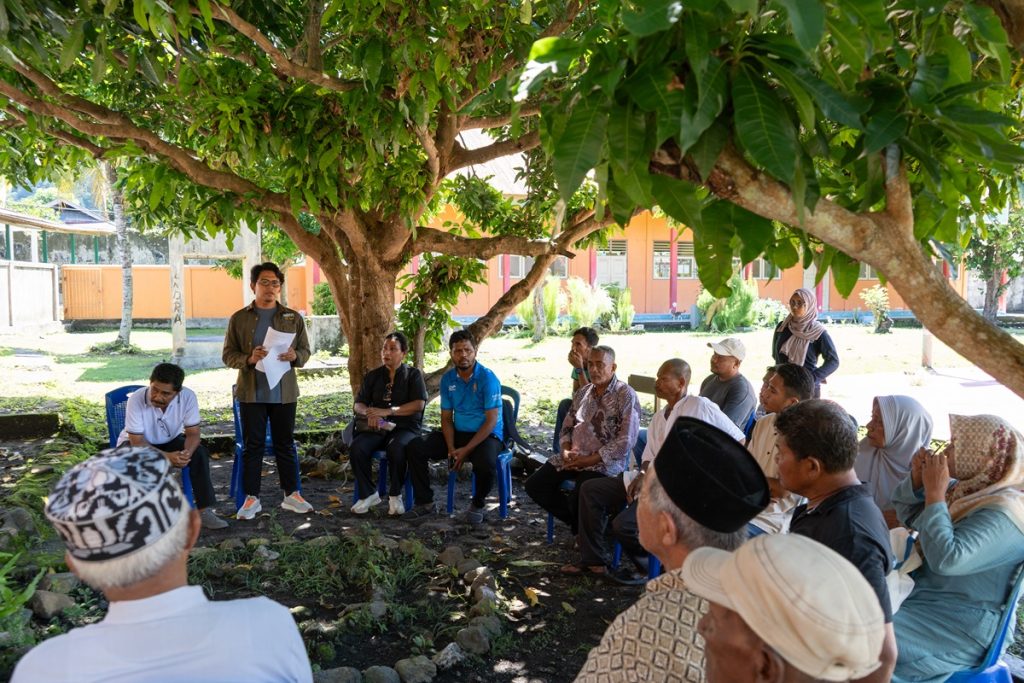
From April 21–30 2026, Coral Triangle Center (CTC), together with Hatfield, Yayasan Baileo Maluku, and Yayasan Nusa Bahari Lestari (Sahari), conducted village-level kick-off meetings for the five-year Kalesang Banda Program across eight villages in the Banda Islands: Ay, Rhun, Hatta, Lonthoir, Selamon, Kampung Baru, Tanah Rata, and Rajawali.
The meetings engaged 286 participants, including village governments, customary leaders, fishers, women, and youth, to introduce the program and strengthen coordination and collaboration for its implementation.
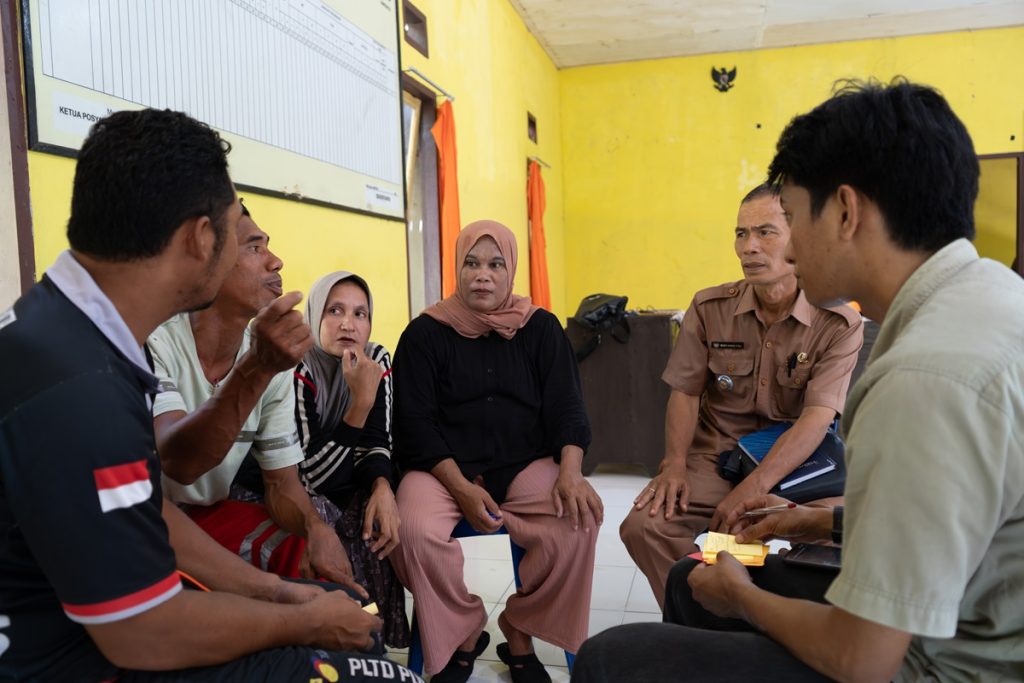
During the sessions, CTC presented the Kalesang Banda Program, which focuses on strengthening conservation area management and the protection of Endangered, Threatened, and Protected (ETP) marine species in the Banda Islands. The program consists of three main components: (1) protection and management of ETP species, (2) sustainable management of Marine Protected Areas (MPAs) and Locally Managed Marine Areas (LMMAs), and (3) strengthening community capacity and developing marine-based alternative livelihoods. CTC also introduced a grievance mechanism to ensure transparency and accountability throughout program implementation.
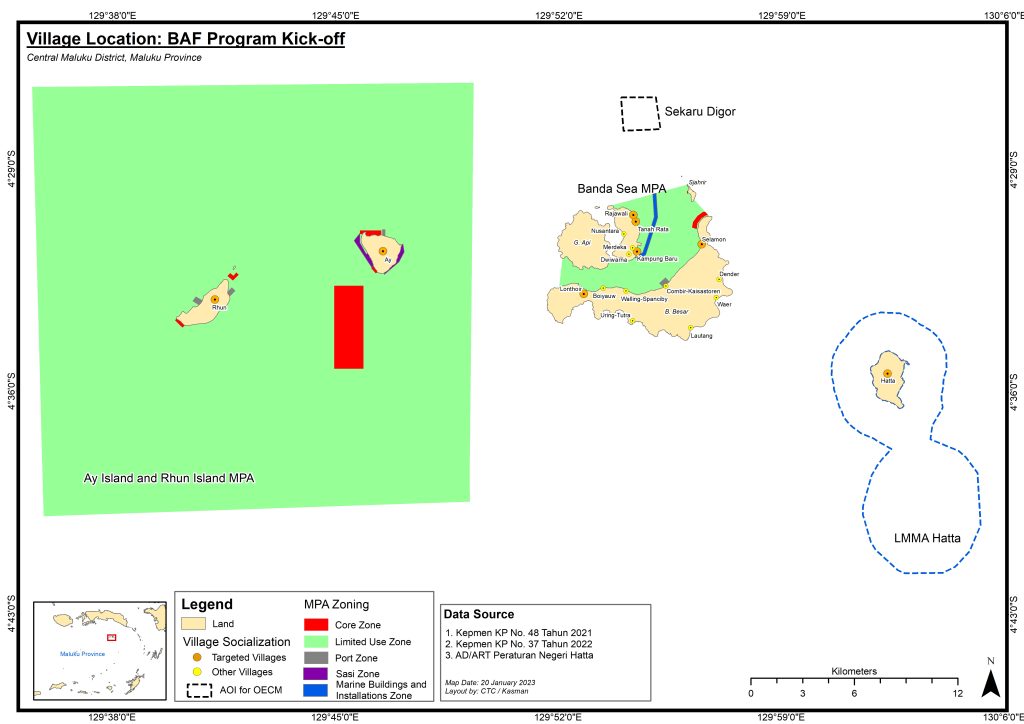
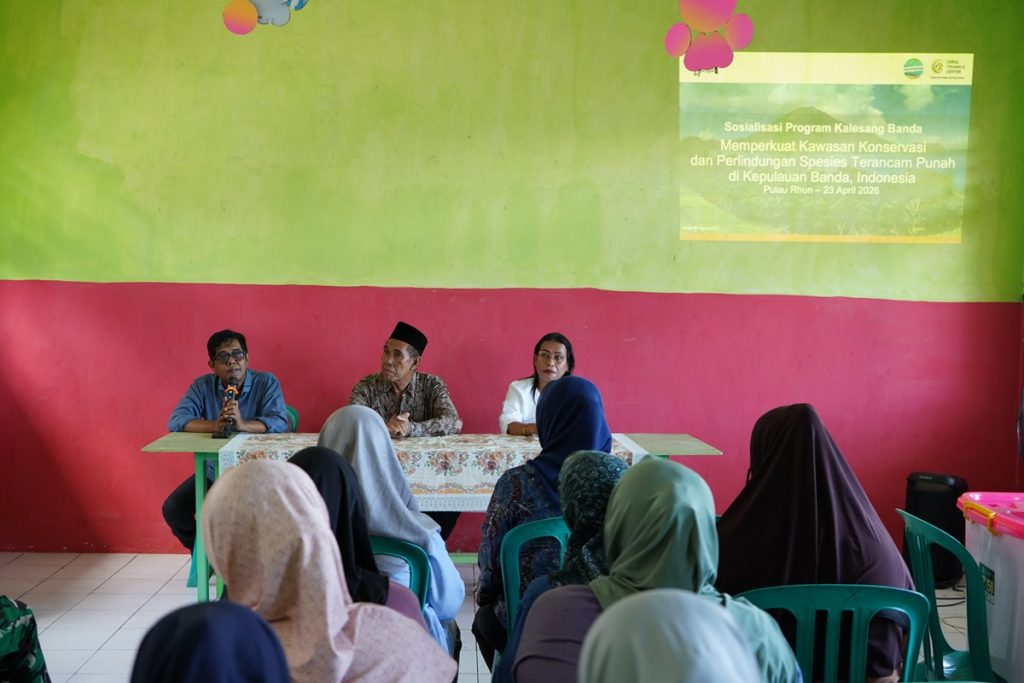
Under the ETP component, communities will be actively involved in participatory monitoring of key habitats, migration routes, and fishing areas, coastal, deep-sea, and pelagic fisheries associated with ETP species. The MPA and LMMA component will support community-based fisheries monitoring, while the development of village and customary regulations for sustainable marine resource management will be led by Yayasan Baileo Maluku. Meanwhile, the marine-based alternative livelihoods component, led by Sahari, will focus on training, mentoring, and developing marine-based alternative income initiatives, particularly for women and youth, along with business planning and access to financing.
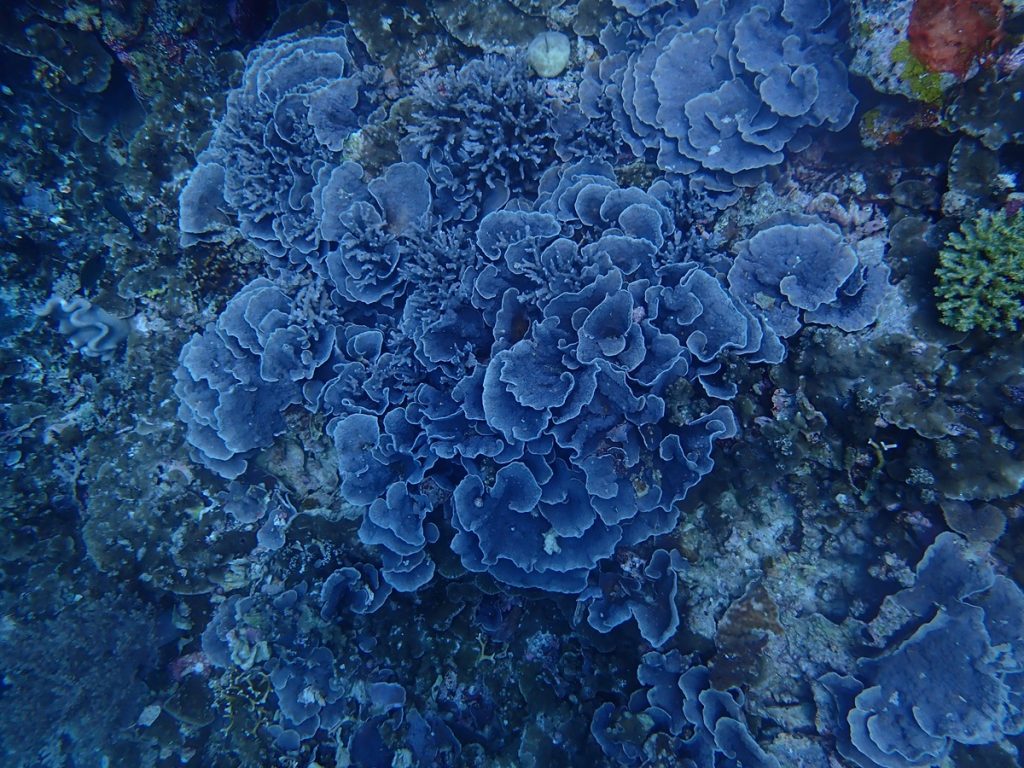
To ensure inclusive participation, the meetings also included Focus Group Discussions (FGDs), where participants were divided into groups to discuss alternative livelihood opportunities and identify ETP species with its interaction and regulatory needs for sustainable marine management. These discussions provided space for stakeholders to share feedback, recommendations, and expectations for the program.
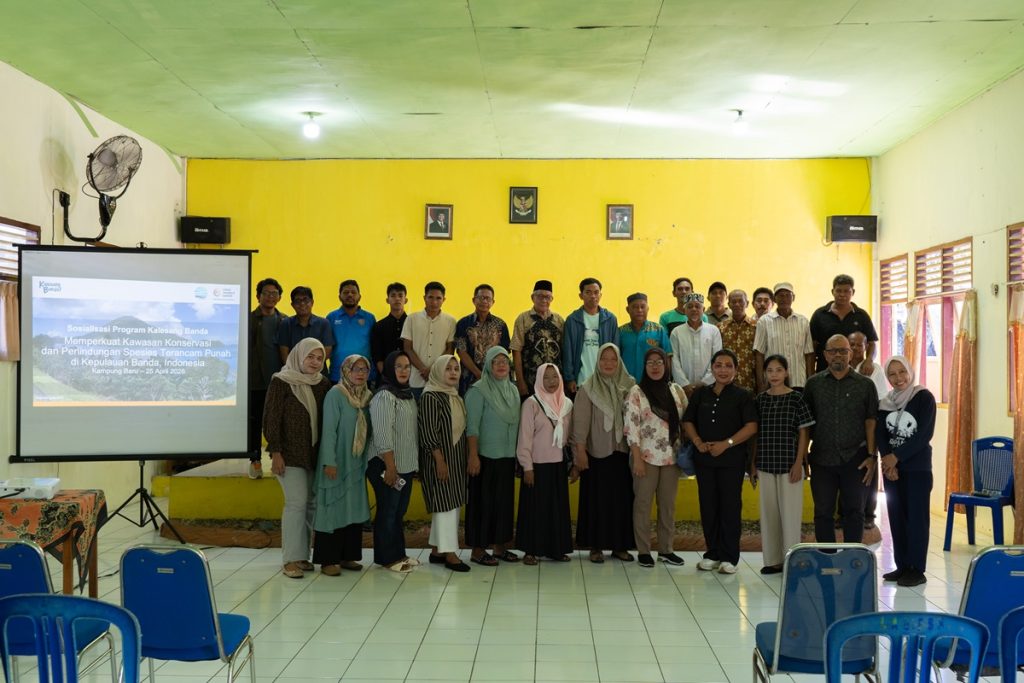
Through these series of activities, local villagers gained a clearer understanding of the program, while eight village-level commitment agreements were generated to support implementation. The activity also strengthened stakeholder coordination and reinforced community commitment to the Kalesang Banda Program moving forward.
Writers: Megan Alexis
Photos: Megan Alexis/CTC, Tabitha Rudang/CTC