
How Can Co-Management Strengthen the Governance and Long-Term Sustainability of Indonesia’s MPAs?
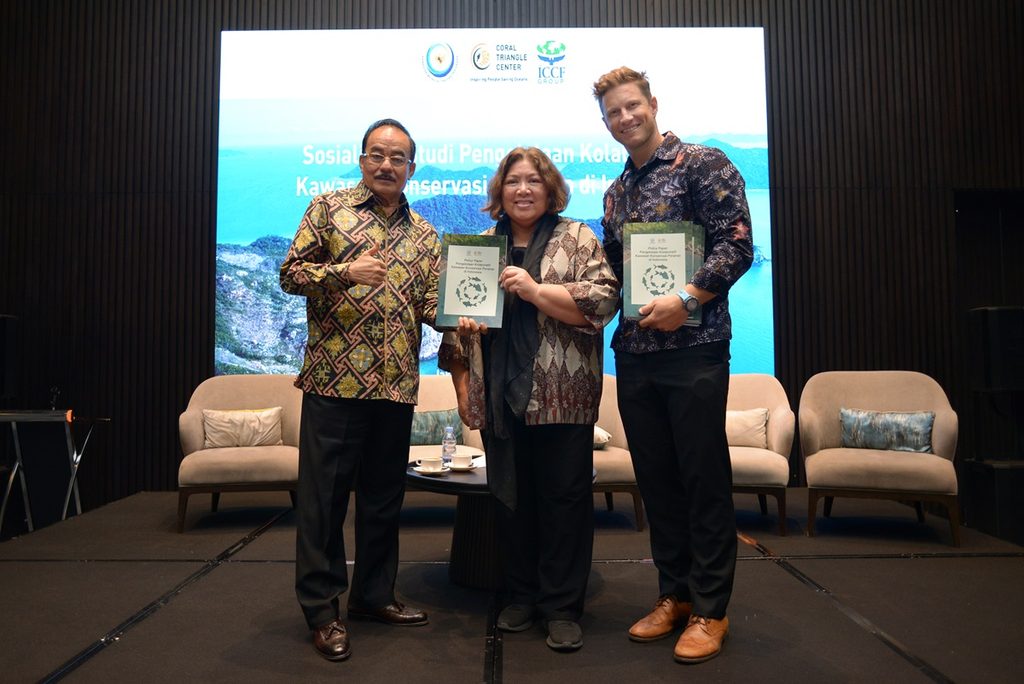
Indonesia’s ambition to expand and effectively manage its marine conservation areas cannot be achieved by the government alone. With a national conservation target of approximately 97 million hectares, protecting these areas and ensuring they deliver ecological, social, and economic benefits will require stronger collaboration, clearer institutional arrangements, and more sustainable financing.
These challenges and opportunities were at the center of the socialization of a new study on Collaborative Management of Marine Protected Areas (MPAs) in Indonesia held on August 20, 2026, at Morrissey Hotel in Jakarta.
The study, commissioned by the Coral Triangle Center (CTC) and undertaken by the International Conservation Caucus Foundation (ICCF) Indonesia team, examines how collaborative management, or co-management, can strengthen the governance and long term sustainability of Indonesia’s MPAs. It looks beyond the establishment of conservation areas to examine how responsibility, resources, knowledge, and authority can be shared among different stakeholders to ensure effective management.
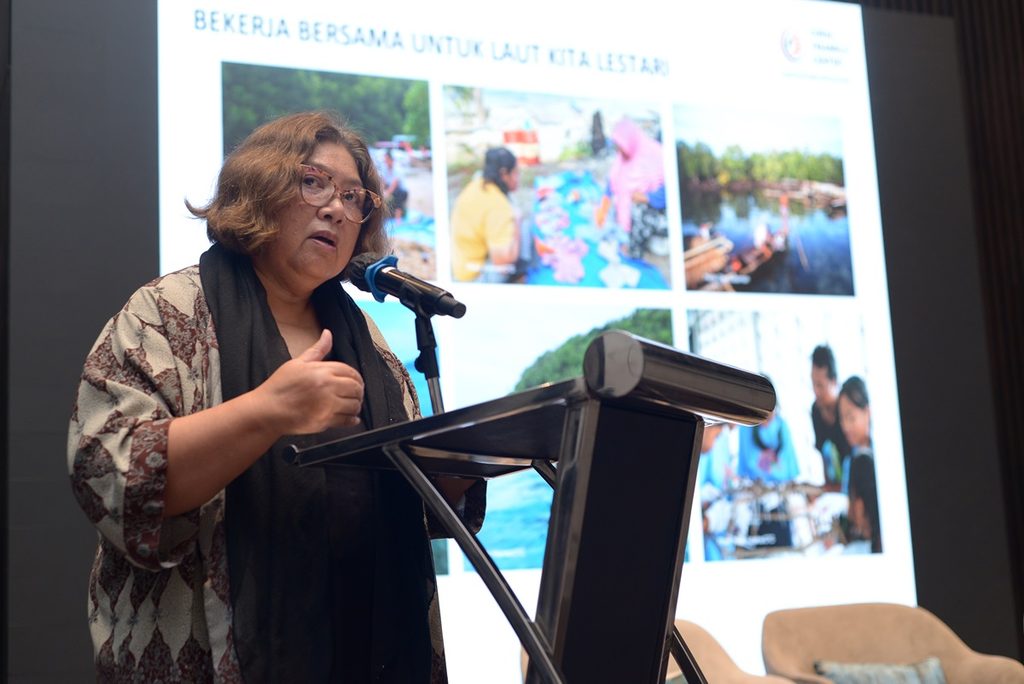
Opening the event, CTC Executive Director Rili Djohani emphasized that Indonesia’s responsibility for marine conservation extends beyond setting aside areas for protection. As one of the world’s centers of marine biodiversity, the country needs conservation approaches that recognize the social and cultural dimensions of marine ecosystems and the people who depend on them.
“Indonesia has ambitious conservation targets. We need an approach that goes beyond restrictions and prohibitions, while also protecting ecosystems that are closely connected to local communities and culture. Co-management is about bringing different parties together, with meaningful participation and recognition of each party’s role,” she explained.
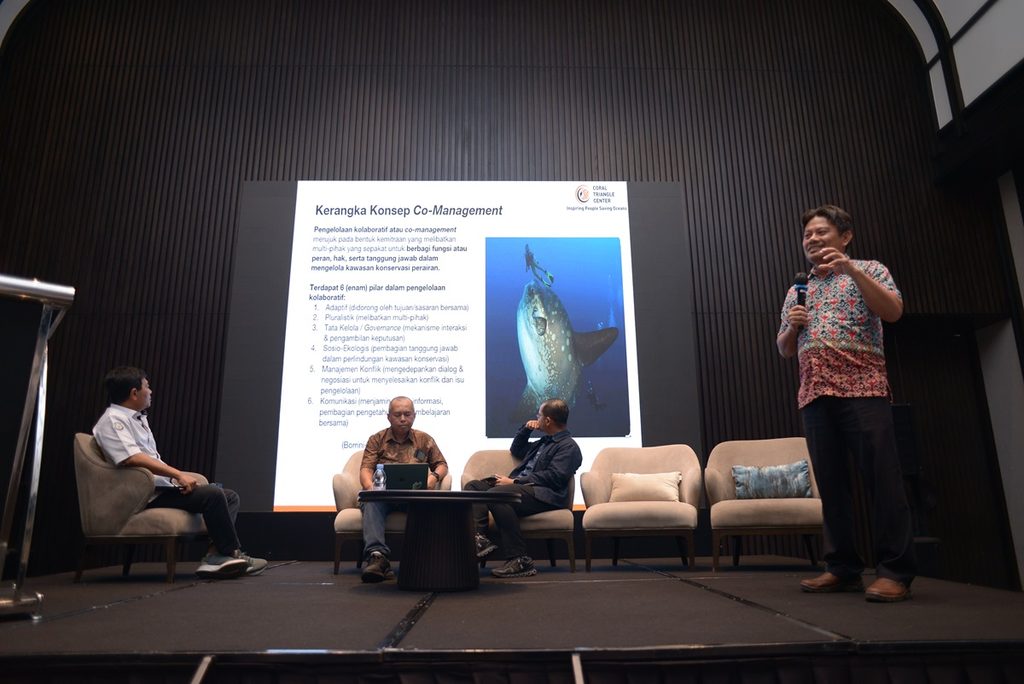
The study, presented by CTC’s Senior Marine Conservation Advisor Marthen Welly during the socialization event, found that collaboration does not always translate into shared decision making. In many cases, coordination remains centered on meetings and consultation rather than joint action and decision-making. The study also identified that the distribution of roles and responsibilities among government institutions, management units, communities, and other stakeholders are often unclear.
Financing remains another major challenge. Government budgets often cover only part of the actual needs of MPA management, while some conservation initiatives continue to rely on short-term projects and partnerships. At the same time, existing management plans and policy frameworks need stronger implementation at the local level.
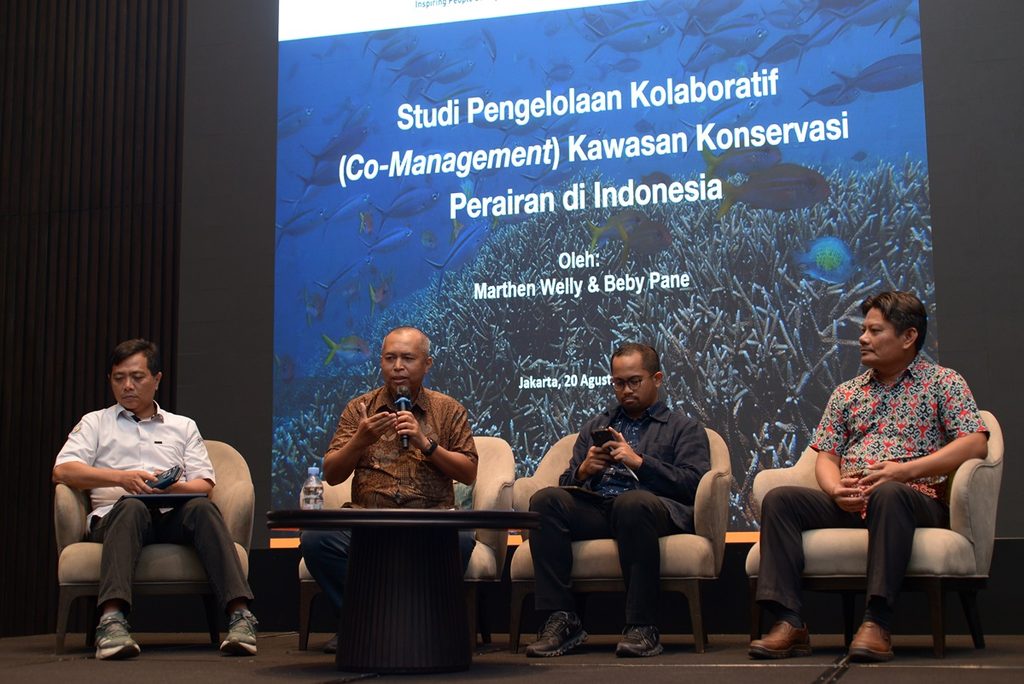
The study therefore recommends clearer roles and responsibilities, stronger institutional mechanisms for joint decision-making, improved coordination, and greater access to sustainable financing. The approach also needs to remain flexible enough to reflect the different ecological, social, economic, and governance contexts of Indonesia’s marine areas.
Government representatives strongly echoed these recommendations during the discussion. The Ministry of National Development Planning (Bappenas) pointed that co-management could unlock funding beyond government budgets (APBN and APBD). This means combining government support and regulation with community contributions, private sector investment and CSR, donor and NGO funding, and academic support for research and innovation. Bappenas also emphasized that trust among stakeholders is essential, as it underpins clearer role definition, data sharing, legitimacy, and conflict management.
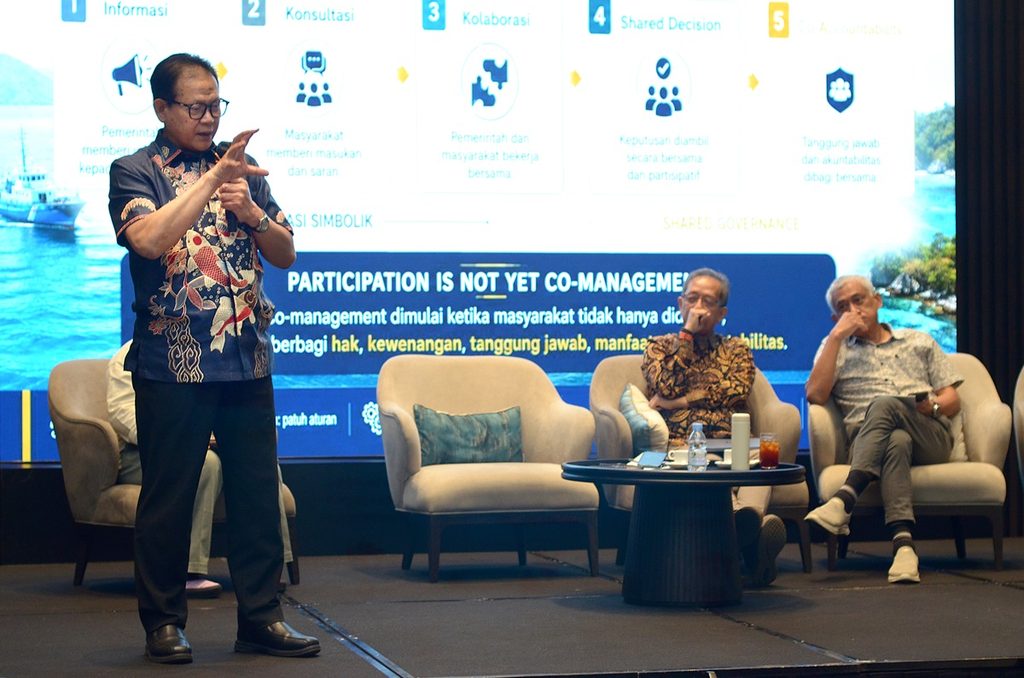
The Ministry of Marine Affairs and Fisheries recognized that marine conservation areas involve overlapping ecological, social, economic, and cultural interests and therefore, no single government body can manage them alone. Meanwhile, the Ministry of Forestry clarified that the challenge is not a lack of regulations. Existing provisions— such as PP No. 28/2011 and PP No. 108/2015, which govern the management of nature reserve areas and nature conservation areas in Indonesia—and other relevant regulations already provide a basis for conservation cooperation and partnerships. However,their implementation requires greater operational clarity. . Officials still need clear guidance on who holds decision-making power, how responsibilities are split, and how formal cooperation differs from standard partnerships.
Ultimately, as the Ministry of Home Affairs emphasized, collaborative conservation should also support regional development and community welfare.
The discussion also reinforced a key idea: conservation must deliver tangible, visible benefits. Prof. Dr. Rokhmin Dahuri of Commission IV of the Indonesian House of Representatives emphasized that protecting nature should not be viewed as a constraint on economic development.
“Conservation needs to become a middle ground between economic and ecological interests, protecting the environment while also supporting economic growth. We need clear output indicators that demonstrate the benefits of conservation for the government, communities, and the private sector,” he noted.
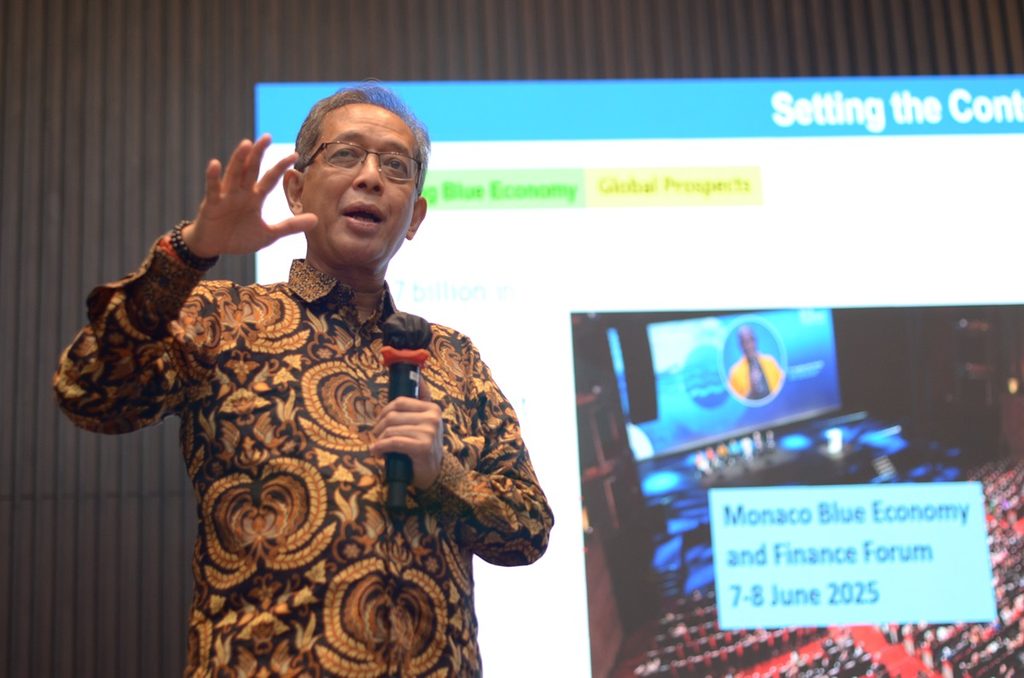
Prof. Dr. Luky Adrianto of IPB University called for a shift from collaborative management toward co-governance to create stronger governance systems in which different actors can contribute meaningfully to decision-making.
On financing, Indonesian Environment Fund highlighted blended finance as an opportunity to bridge conservation funding gaps. This model pairs public or grant funding for non-revenue work, —likemonitoring, restoration, and community strengthening—with private investment in profitable ventures such as ecotourism and sustainable fisheries.
However, participants also noted that attracting private capital will require incentives, clear business models, regulatory certainty, manageable investment risks, and credible mechanisms to track ecological and social returns. Unlocking sustainable finance requires stronger institutional and human capacity to identify, access, manage, and effectively combine diverse funding sources.
For CTC, the socialization marks the beginning of a broader effort to translate the study’s findings into practice. The organization hopes that the recommendations will encourage new models and innovations in MPA management that are more equal, inclusive, and sustainable.
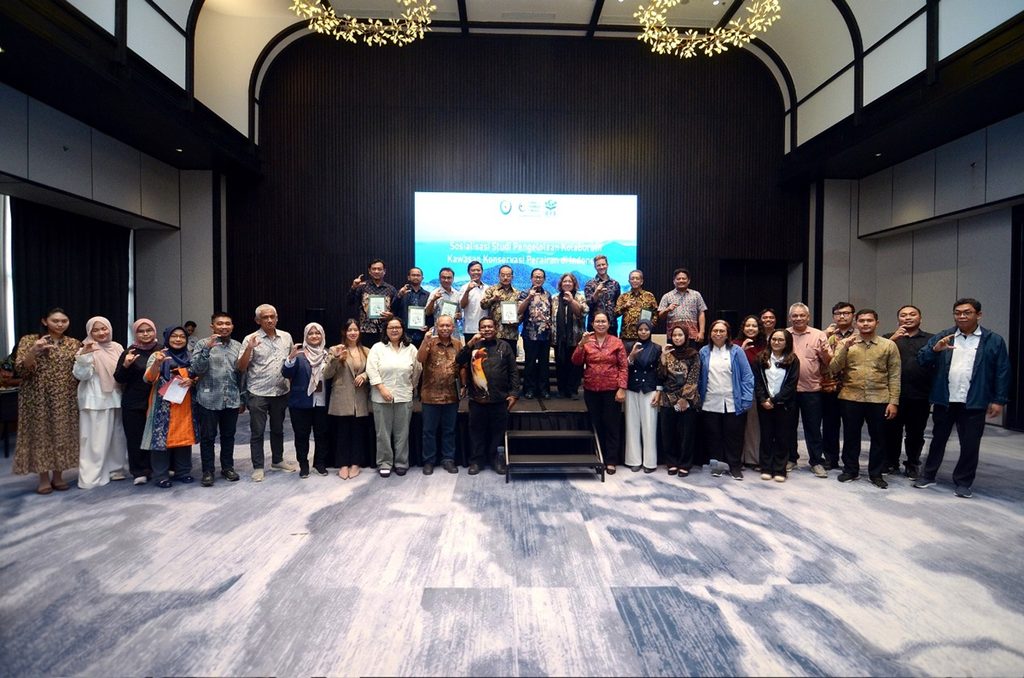
As Indonesia continues to strengthen its marine conservation system, the study reinforces an important message—achieving conservation targets requires more than expanding protected areas. It requires stronger institutions, sustainable financing, meaningful participation, and shared responsibility among the many actors who depend on and care for Indonesia’s marine ecosystems.
Writer: Asia Salsabilla
Photo: ICCF Indonesia