
Coral Triangle Countries Advance Marine Spatial Planning in the Sulu Sulawesi Seascape
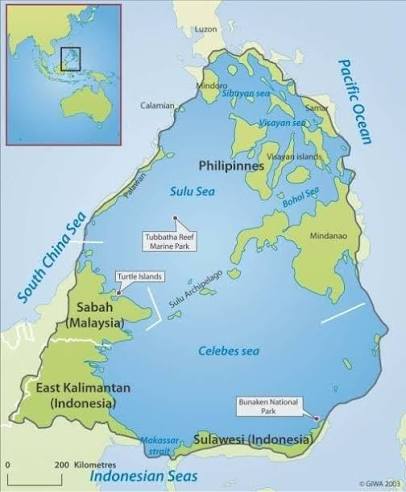
The Sulu Sulawesi Seascape within the Coral Triangle, shared by Indonesia, Malaysia, and the Philippines, supports exceptional biodiversity and critical habitats. It also provides food and livelihoods for approximately 40 million people from at least 50 indigenous cultural groups. However, habitat destruction, destructive and illegal fishing, marine pollution, and climate change are placing these ecosystems and the communities that depend on them at growing risk.
To strengthen transboundary cooperation and build capacity for sustainable marine management, the Coral Triangle Center (CTC) organized a Marine Spatial Planning (MSP) Workshop for the Sulu Sulawesi Seascape from August 10 to 14, 2026, in Kuala Lumpur, Malaysia.
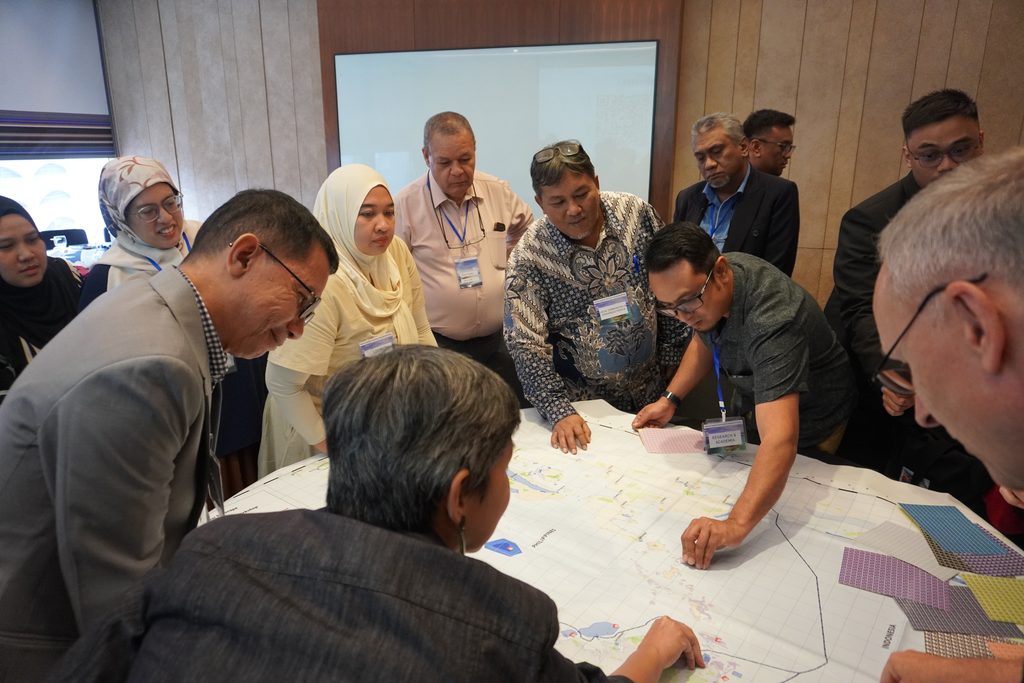
Marine Spatial Planning (MSP) is a strategic process that helps balance competing uses of marine spaces while protecting ecosystems and supporting sustainable economic and social benefits. MSP plays a critical role in addressing threats and managing shared marine resources. The workshop was developed to meet capacity-building needs identified by the CTI-CFF National Coordinating Committees of the three participating countries.
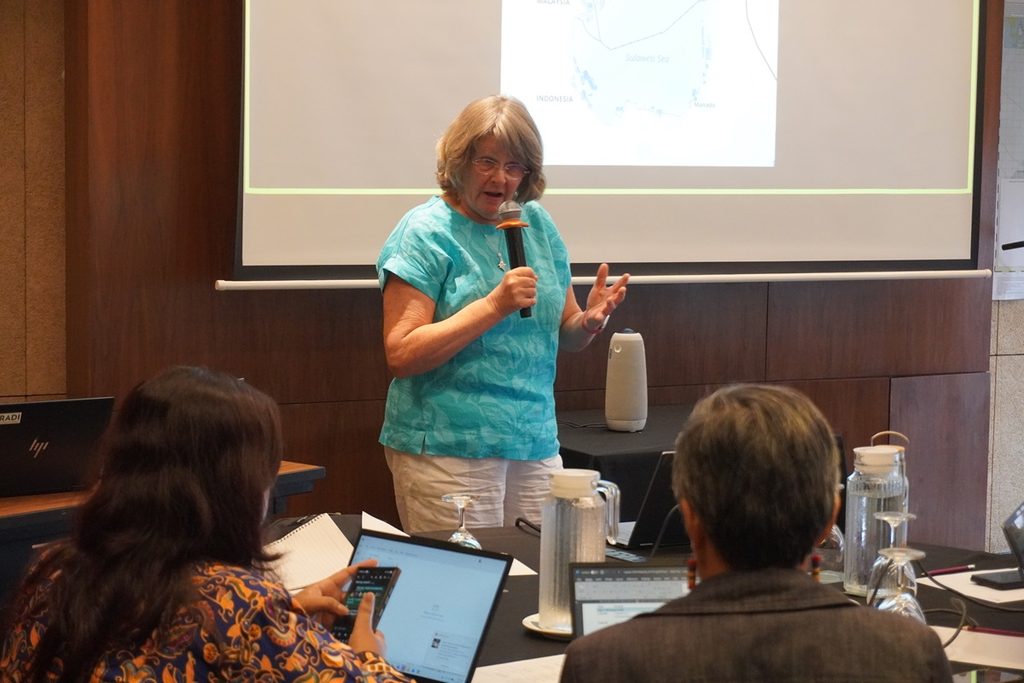
Led by technical consultant Dr. Alison Green, the workshop covered key components of the MSP process, including governance and policy frameworks; stakeholder engagement; trade-offs and conflict resolution; zoning; the integration of Marine Protected Areas (MPAs) and MSP; spatial data and decision-support tools; implementation, monitoring, and adaptive management.
The workshop brought together 31 in-person representatives from Indonesia, Malaysia and the Philippines, alongside the Coral Triangle Initiative on Coral Reefs, Fisheries and Food Security (CTI-CFF), government agencies, conservation organizations, academic institutions, and marine spatial planning experts. The workshop was supported by the BMUKN-IKI funded Solutions for Marine and Coastal Resilience in the Coral Triangle (SOMACORE) Program, GIZ, and WWF Malaysia. An additional 31 participants joined online, expanding opportunities for regional knowledge exchange and collaboration.
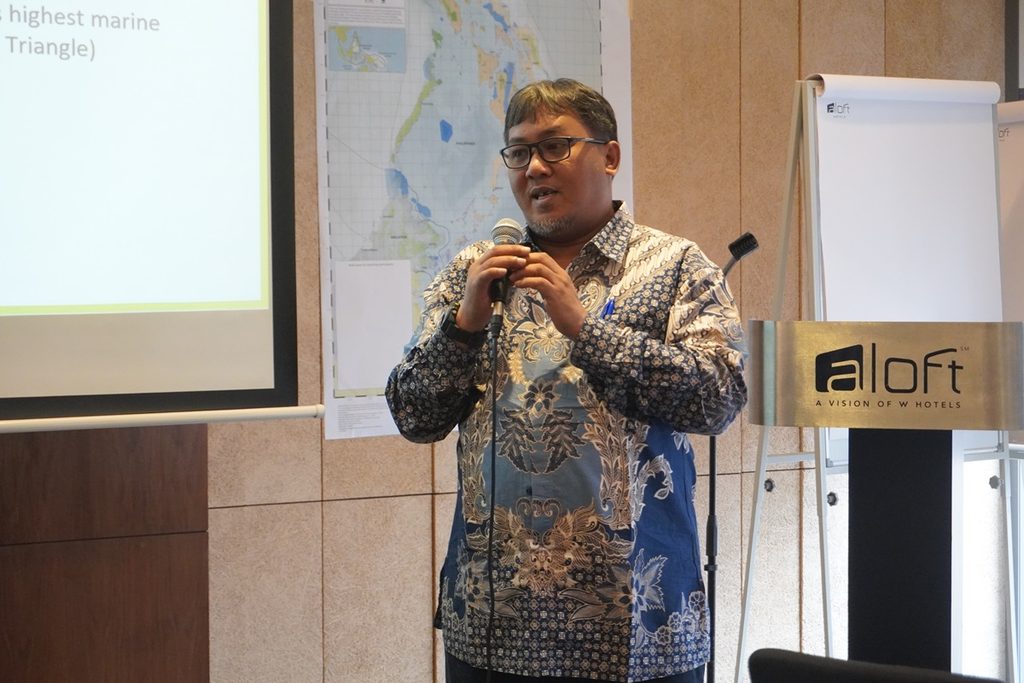
For Arief Sudianto from Indonesia’s Ministry of Marine Affairs and Fisheries, the workshop showed how lessons learned across different national systems could apply to other shared seascapes in the region. “We learned how countries with different systems can work together towards transboundary MSP. Perhaps we can also apply lessons from this training to other seascapes in the Coral Triangle, such as the Lesser Sunda and Bismarck Solomon Seascapes, where countries also have different systems and approaches,” he said.
One significant outcome was a shared recognition that developing a comprehensive, legally coordinated transboundary MSP covering the entire Seascape would be highly complex, time-consuming, and resource-intensive. Instead, participants agreed to explore a more practical and collaborative approach.
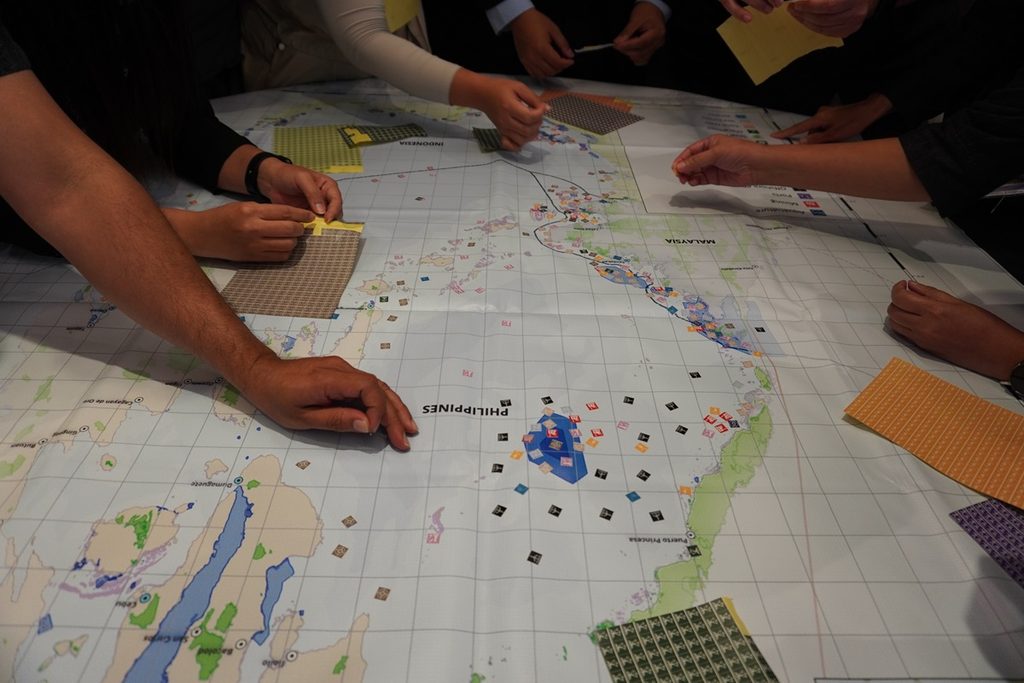
Under this proposed model, each country would continue developing or refining MSP within its own marine waters. At the same time, they would collaborate on a smaller, coordinated and thematic MSP in an area where shared political boundaries, ecological connectivity, marine uses and threats make regional coordination particularly valuable.
A preliminary area of interest—approximately 370,000 km², around 37% of the Sulu Sulawesi Seascape—was identified, informed by critical sea turtle habitats and transboundary shipping and fishing. This regional approach would be guiding rather than legally binding, allowing countries to share expertise, data and planning experiences while reducing potential cross-border conflicts.
Mohd. Zamani Nayan from the Sabah Department of Fisheries in Malaysia, saw MSP as a response to address the growing pressures facing the ocean. “I’m very inspired to engage in this MSP because our ocean is now facing unprecedented competition for space, environmental degradation and climate pressures. The ocean connects us across the CTI through many important activities and our shared biodiversity. Through MSP, we can work together to manage our marine spaces in a proper way, especially in sensitive border areas,” he said.
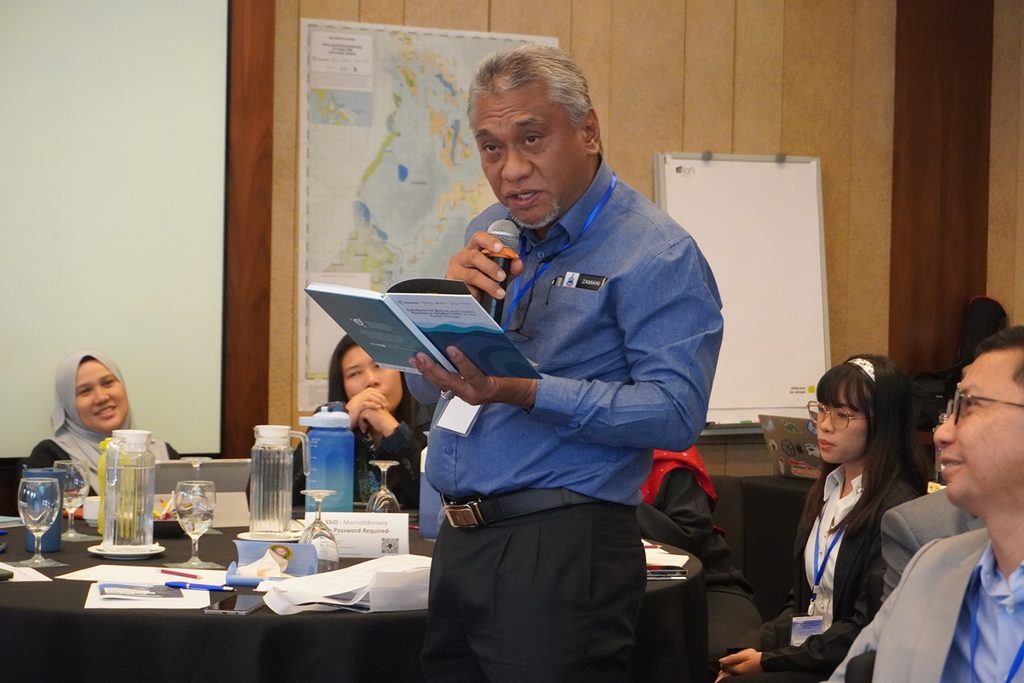
The participants also developed joint action plans addressing key components of the proposed smaller-area MSP. The plans covered governance arrangements through existing CTI-CFF structures, integrating MPAs and MSP processes, developing compatible zoning approaches, strengthening spatial data sharing and access, and coordinating stakeholder engagement.
Thirty stakeholder groups have been identified for future engagement, including coastal communities, government agencies, development partners, and representatives of different marine-use sectors. The Bajau people, a marginalized and borderless community with strong connections throughout the seascape, was especially highlighted.
Rili Djohani, Executive Director of the Coral Triangle Center, emphasized that meaningful participation must be at the heart of MSP. “MSP is not only about maps, policies and technical processes—it is fundamentally about people. Communities, fishers, Indigenous and local communities, businesses, scientists and conservation practitioners all bring valuable knowledge and experiences to the planning process. If we want planning decisions to be understood, supported and sustained, the people who depend on and use marine resources must have a meaningful voice,” she noted.
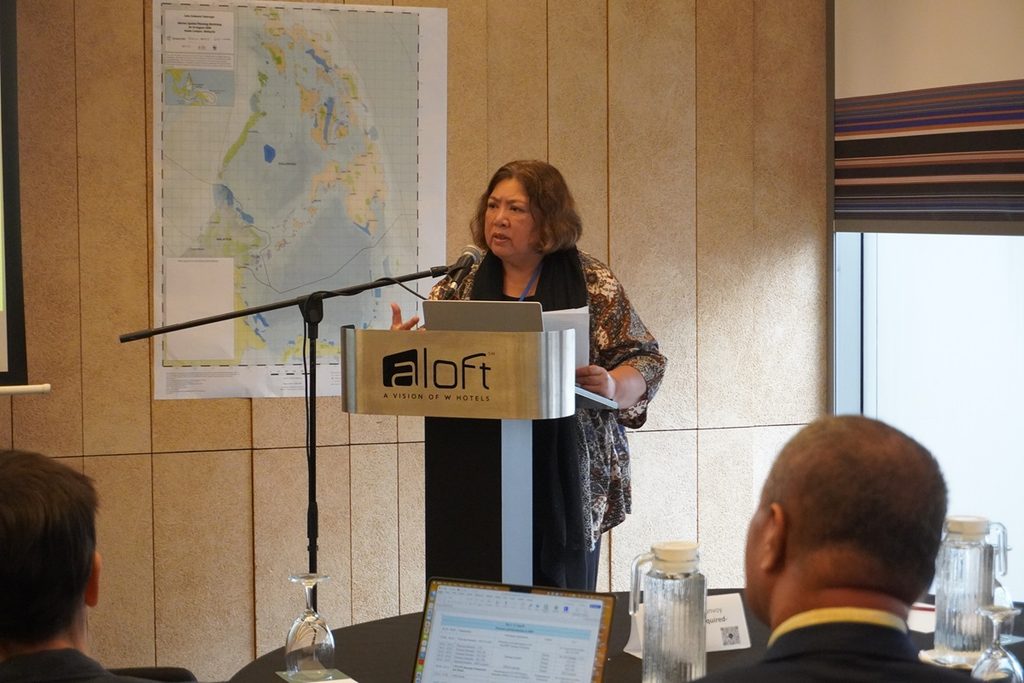
The workshop also explored ways to manage trade-offs and conflicts among marine uses, along with approaches to implementation. Shared monitoring and evaluation indicators could also help the three countries measure progress against common goals while supporting adaptive management.
From a global perspective, SOMACORE Program Director Dr. Jan Steffen stressed the importance of MSP in bringing neighbouring countries and stakeholders together to identify solutions and create opportunities for win-win approaches. “In the past, decades of sectoral planning and increasing use of marine resources have often led to conflicts. MSP provides an opportunity to look across these different uses and find pathways towards a future where resources can be utilized sustainably—ensuring that ecological, cultural and economic needs are balanced in a compatible way,” he noted.
Meanwhile, Dr. Frank Griffin, Executive Director of the CTI-CFF Regional Secretariat, hopes participants will carry the lessons into their daily work. “We need to align regional and national activities in the marine space and ensure that they are properly planned so that we can maximize the benefits from the sustainable use of the marine resources we have in the Coral Triangle region,” he said.
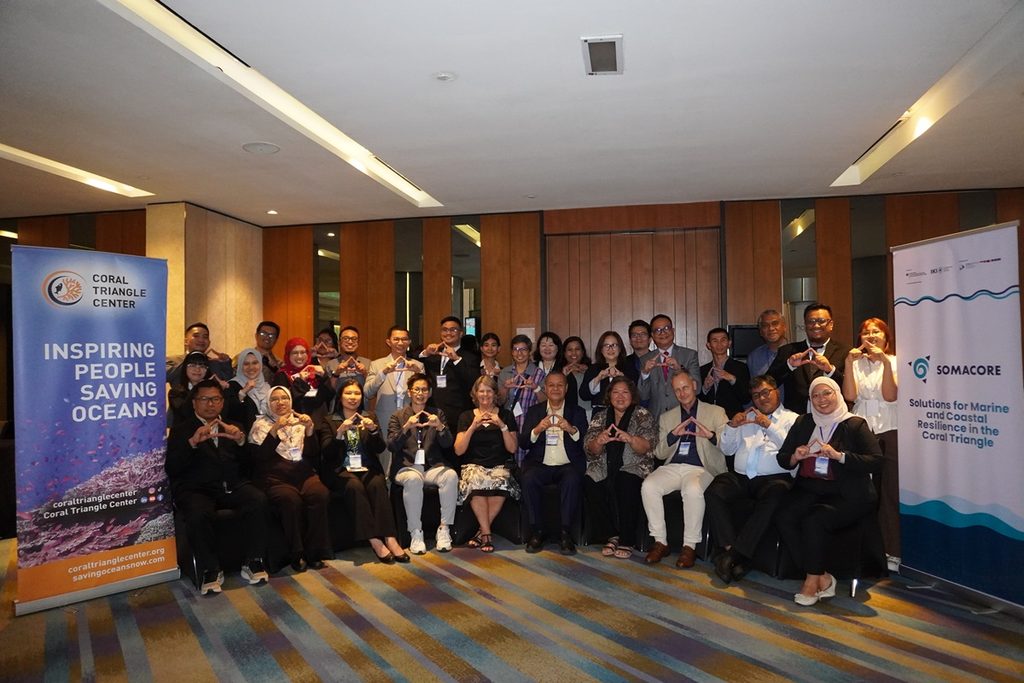
By bringing together expertise, experience and perspectives from across the seascape the workshop marked an important step towards stronger cooperation in one of the Coral Triangle’s most ecologically connected transboundary marine regions. It brings Indonesia, Malaysia, and the Philippines closer to more integrated, sustainable and resilient management of the Sulu Sulawesi Seascape.
Photos: Nadia Qurotha/CTC