
Green Fins Regional Workshop Forges Cross-Border Partnership to Protect Shared Seas
Marine tourism provides an opportunity to support coastal communities’ livelihoods and to educate the public in support of the marine environment. In contrast, when not managed according to environmentally responsible principles, marine tourism activities can cause significant negative impacts on marine ecosystems, including coral reefs.
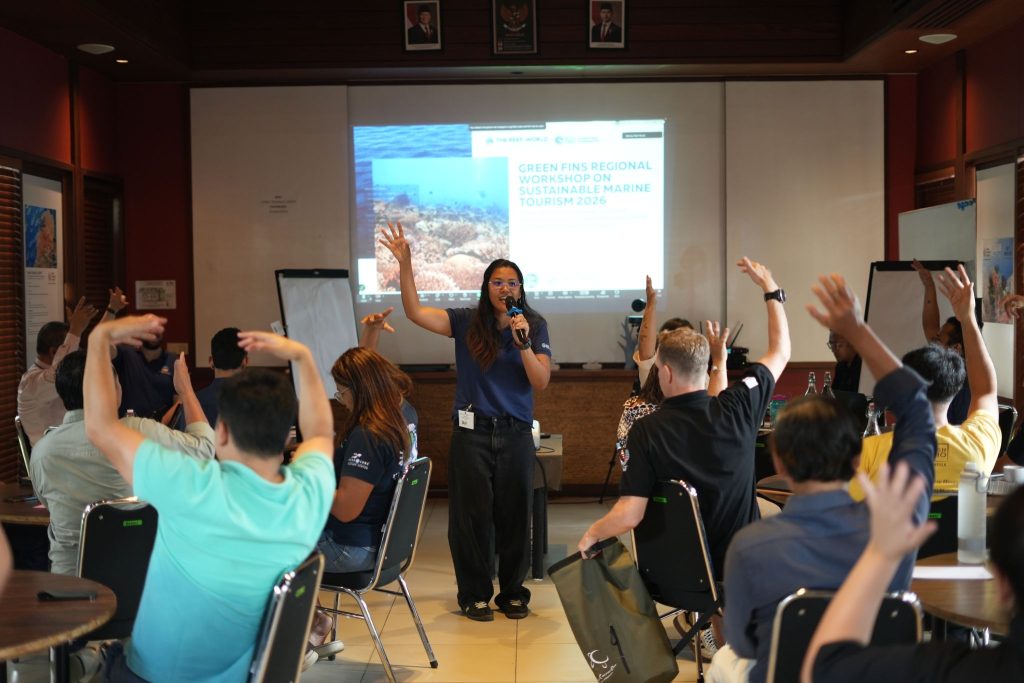
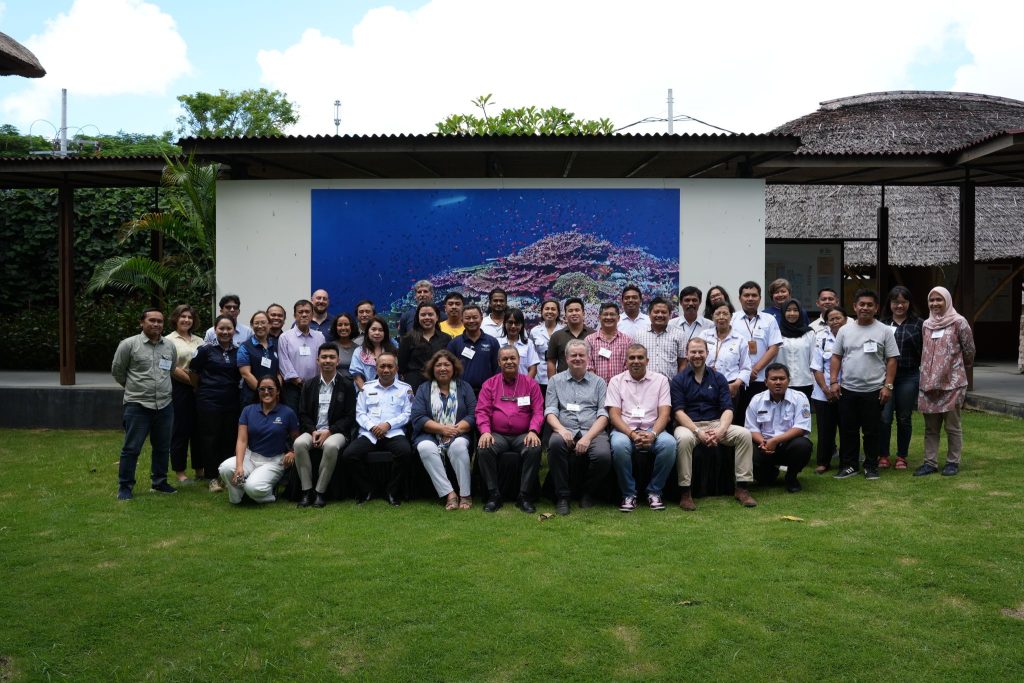
From February 4 to 6, 2026, 50 high-level stakeholders from six countries (Indonesia, Philippines, Malaysia, Thailand, Myanmar and Cambodia) gathered at the Center for Marine Conservation in Sanur, Bali, for the Green Fins Regional Workshop. The workshop aimed to strengthen regional capacity to manage transboundary threats arising from marine tourism activities in the South China Sea and the Sulu–Celebes Sea region.
Green Fins is a global initiative led by the United Nations Environment Programme (UNEP) and internationally coordinated by The Reef-World Foundation. In Indonesia, the Coral Triangle Center (CTC) serves as the national coordinator, supporting dive and snorkel operators in adopting environmental standards that help protect coral reefs and marine life.
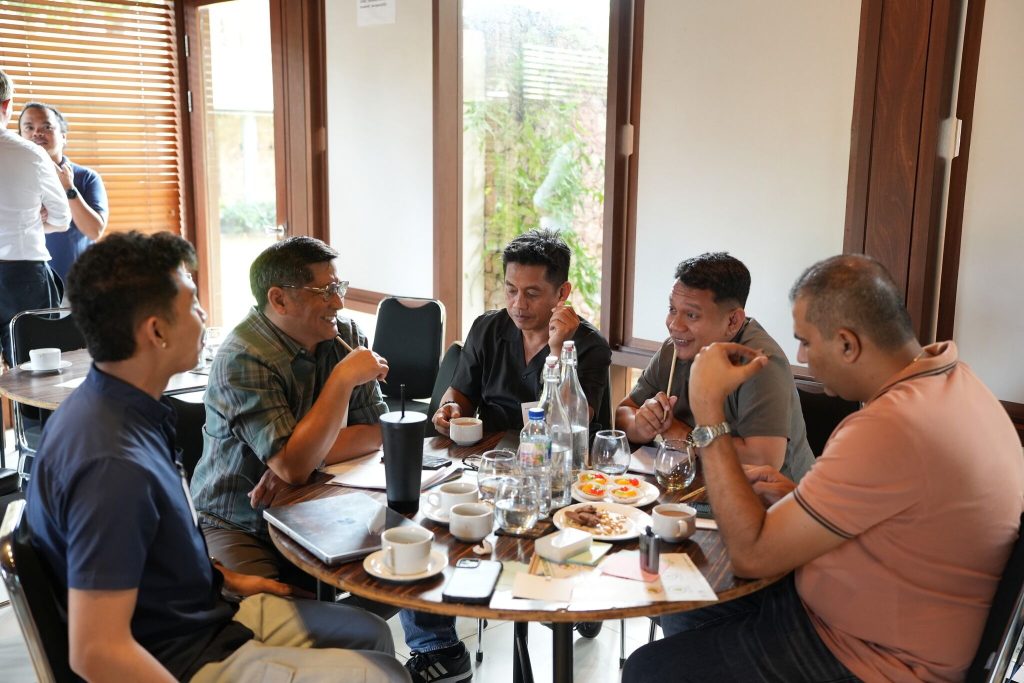
The workshop was co-organized by the South China Sea–Sustainable Aquaculture and Partnerships (SCS-SAP) and The Reef-World Foundation as part of the ‘Mainstreaming Green Fins’ project. Supported by UNEP and the United Nations Office for Project Services (UNOPS), the initiative aims to integrate global ecotourism standards across the region to strengthen a sustainable blue economy for both local communities and marine ecosystems.
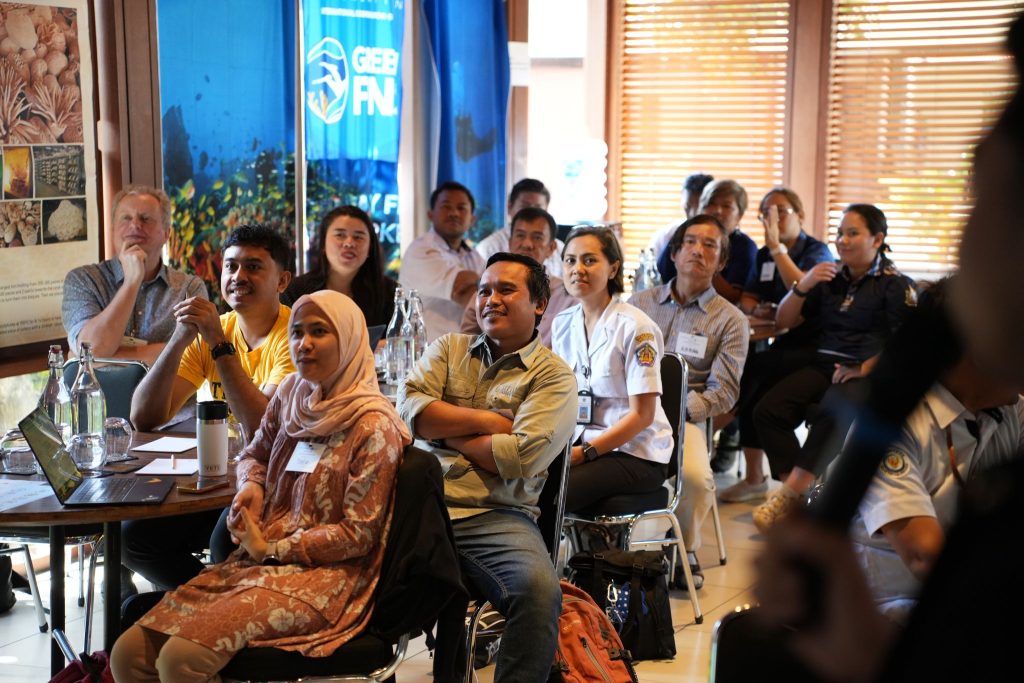
One of the most significant outcomes of the workshop was the formalization of a transboundary Sister Site Partnership between Coron, the Philippines, and Bali, Indonesia. As the Philippines and Indonesia share direct access to the Celebes and Sulu Seas, they bear a collective responsibility to safeguard the health of these seas — one that calls for coordinated, cross-border action. The partnership establishes a framework for peer-to-peer learning and the joint management of shared marine resources, especially migratory species such as tuna, whales, and sea turtles.
The workshop also provided an important moment for evidence-based reflection. Participants validated the long-term effectiveness of the Green Fins program, with data from Coron confirming a 47% reduction in environmental threats following the program’s implementation, as well as in Bali, Indonesia, which shows a decrease in threats to the marine environment.
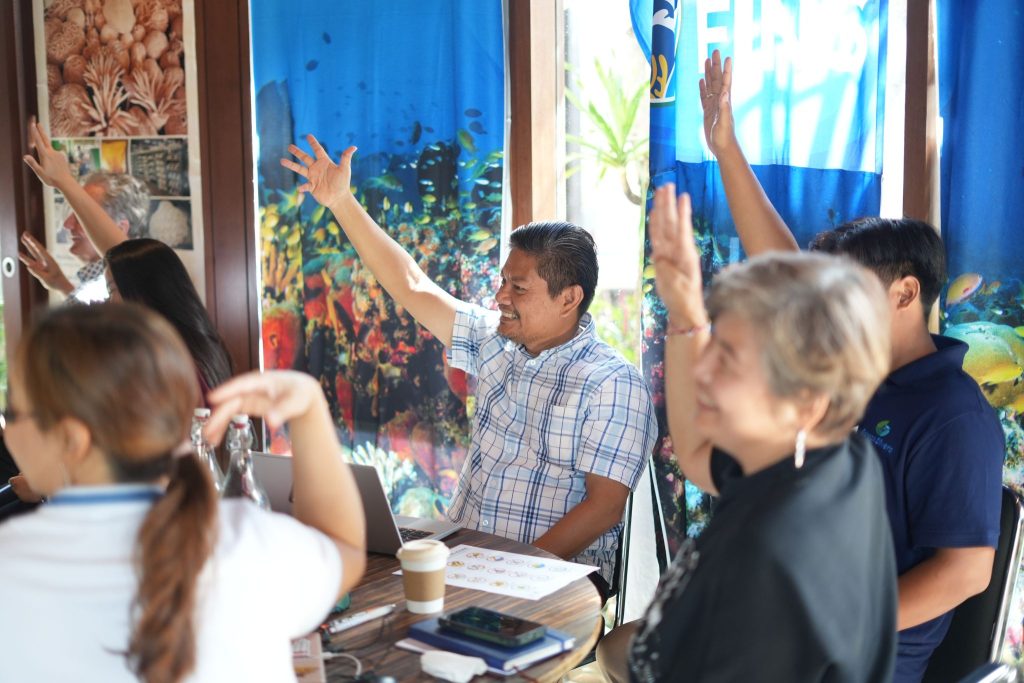
Day 2 of the workshop highlighted the growing role of innovative citizen science platforms in addressing data gaps and strengthening evidence-based policy. Experts from MERMAID (Marine Ecological Research Management AID) – an open-source, online-offline data platform developed by the Wildlife Conservation Society (WCS), World Wildlife Fund (WWF), Sparkgeo, Reef Check, the Marine Megafauna Foundation (MMF), and Trash Hero—showcased how AI-powered platforms and community-led monitoring are identifying vital migration corridors and building the shared evidence base needed to drive smarter policy and enforcement.
Participants also developed customized three-point action plans for immediate implementation following the workshop. In addition, the participants co-developed a regional roadmap that will be submitted to GEF SCS-SAP and relevant national ministries to formally integrate Green Fins into national planning and regulatory frameworks.
The workshop reaffirmed that sustainable marine tourism is not solely an environmental objective—it is an economic imperative. Coral reefs underpin billions of dollars in tourism revenue and sustain millions of coastal livelihoods across the Coral Triangle.
By formalizing cross-border partnerships, validating proven conservation tools, and integrating innovative monitoring systems, the Green Fins Regional Workshop marked a critical step toward safeguarding shared marine ecosystems while supporting long-term economic prosperity.
Writers: Jaling Sim
Photos: The Reef World Foundation