
CTC Supports Advancement of Gender Equality and Social Inclusion in the Coral Triangle
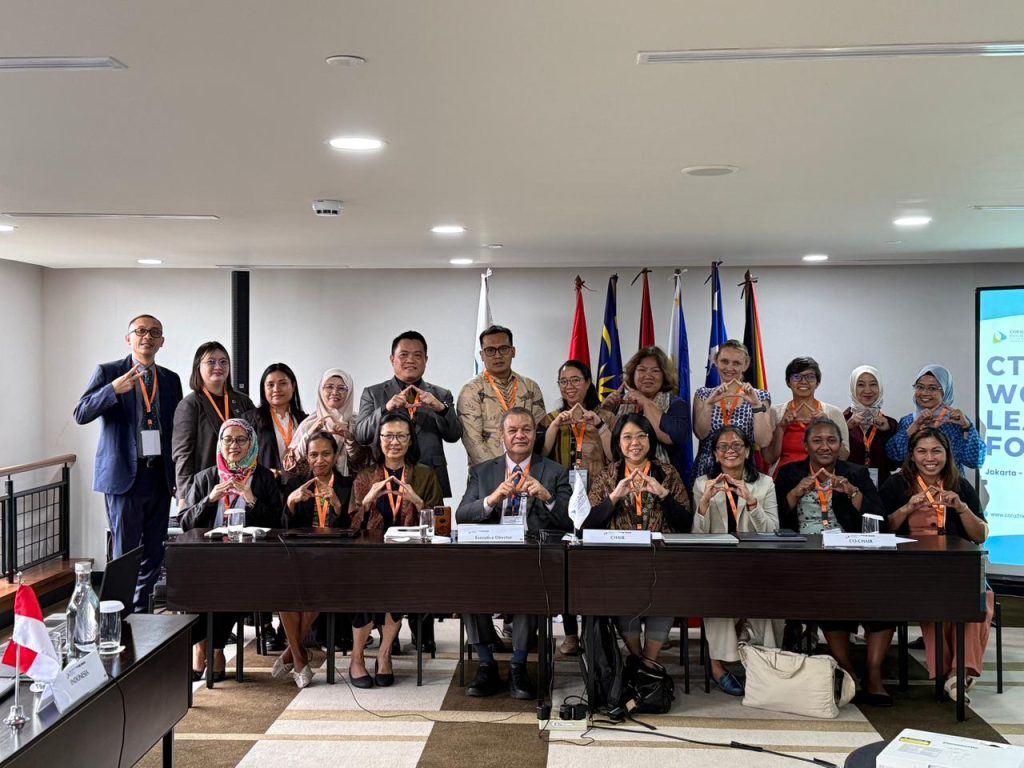
The Coral Triangle Center (CTC), represented by Executive Director Rili Djohani and Regional Communications Manager Leilani Gallardo, actively participated in the Coral Triangle Initiative on Coral Reefs, Fisheries and Food Security (CTI-CFF) Women Leaders Forum (WLF) Meeting held on April 13, 2026 in Jakarta, Indonesia. The meeting brought together representatives from all six Coral Triangle countries—Indonesia, Malaysia, Papua New Guinea, the Philippines, Solomon Islands, and Timor-Leste—along with regional partners to strengthen women’s leadership and advance Gender Equality and Social Inclusion (GESI) across marine and coastal initiatives.
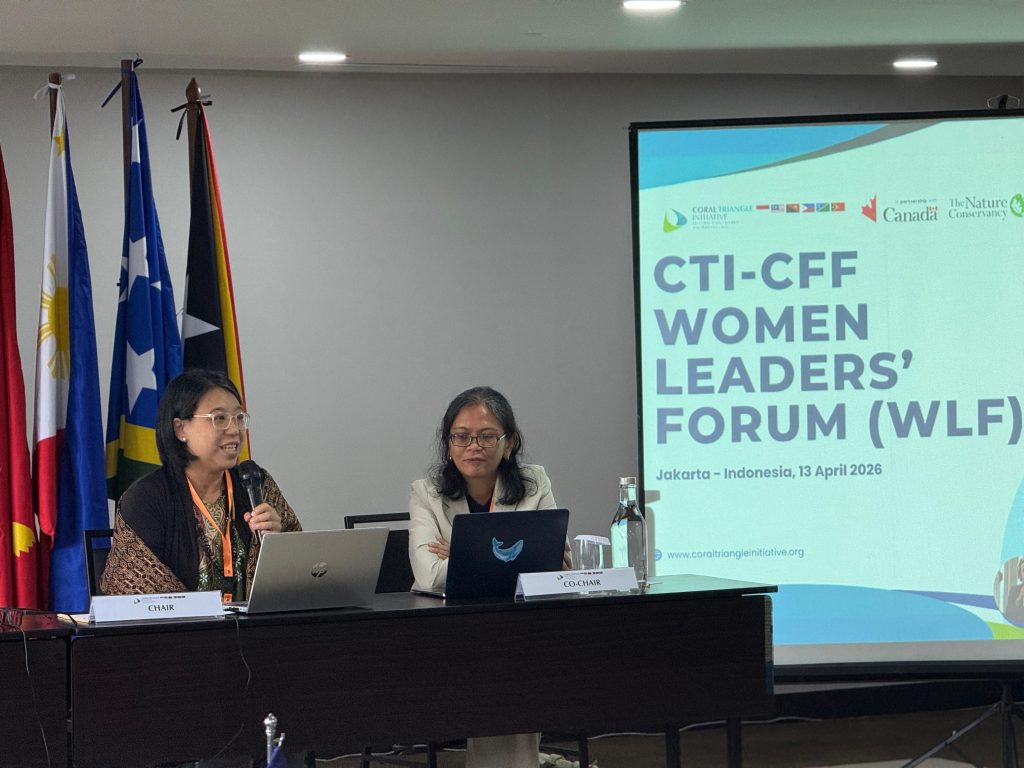
Ms. Gallardo served as Co-Chair of the meeting alongside Dr. Aazani Mujahid of Malaysia, guiding discussions on key priorities and reinforcing the importance of collaboration, leadership, and accountability in advancing the WLF agenda. Central to the discussions was the need to accelerate implementation of GESI commitments under the CTI-CFF Regional Plan of Action (RPOA) 2.0, particularly through stronger monitoring systems, improved coordination, and clearer institutional roles.
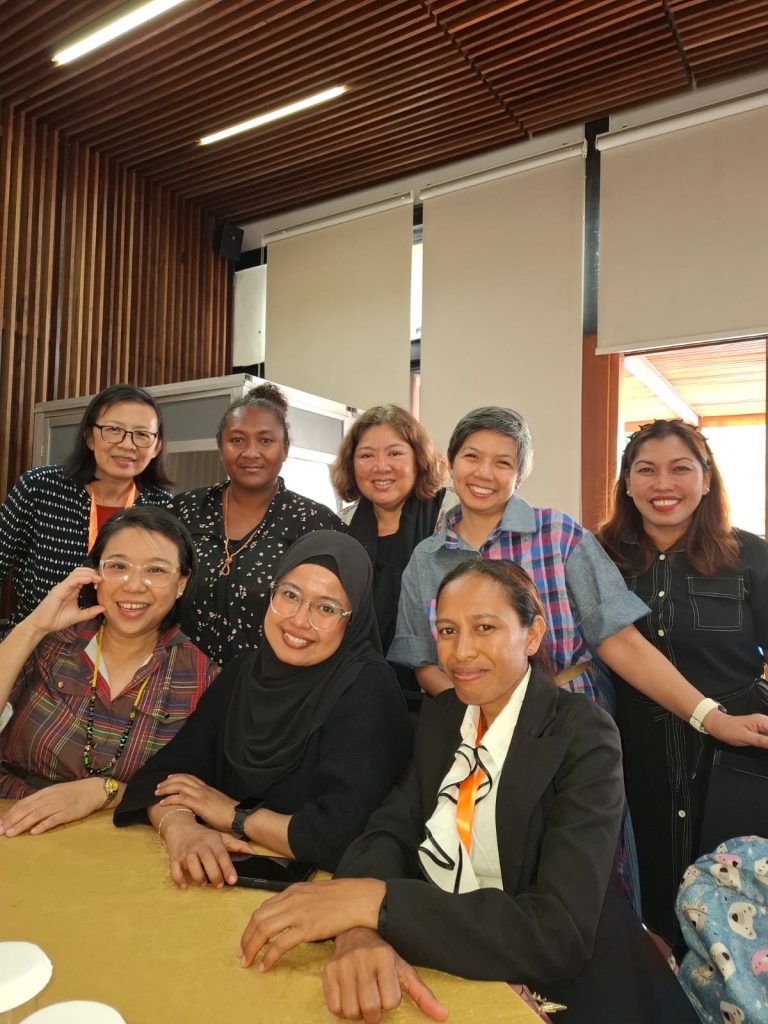
Country updates highlighted both progress and challenges in mainstreaming gender across the region. Indonesia shared advancements in embedding gender into national policies, including a Gender Mainstreaming Roadmap for 2025–2029, while noting ongoing gaps in coordination, financing, and gender-disaggregated data. Malaysia emphasized the importance of institutionalizing WLF efforts and strengthening documentation and reporting systems. The Philippines showcased strong institutional mechanisms, including dedicated gender budgets and national frameworks, while identifying the need for improved data systems and analysis. Meanwhile, Solomon Islands and Timor-Leste underscored the importance of community-level engagement, cultural context, and capacity building to increase women’s participation in coastal and fisheries management.
A key highlight of the meeting was the presentation of the WLF Priority Survey results, which identified challenges and opportunities for growth. While leadership and governance were identified as strengths, participants emphasized the need to translate the Forum’s regional commitments into tangible, on-the-ground impact. Strengthening the WLF’s visibility, advocacy, and peer learning—particularly through in-person exchanges and mentoring—emerged as top priorities.
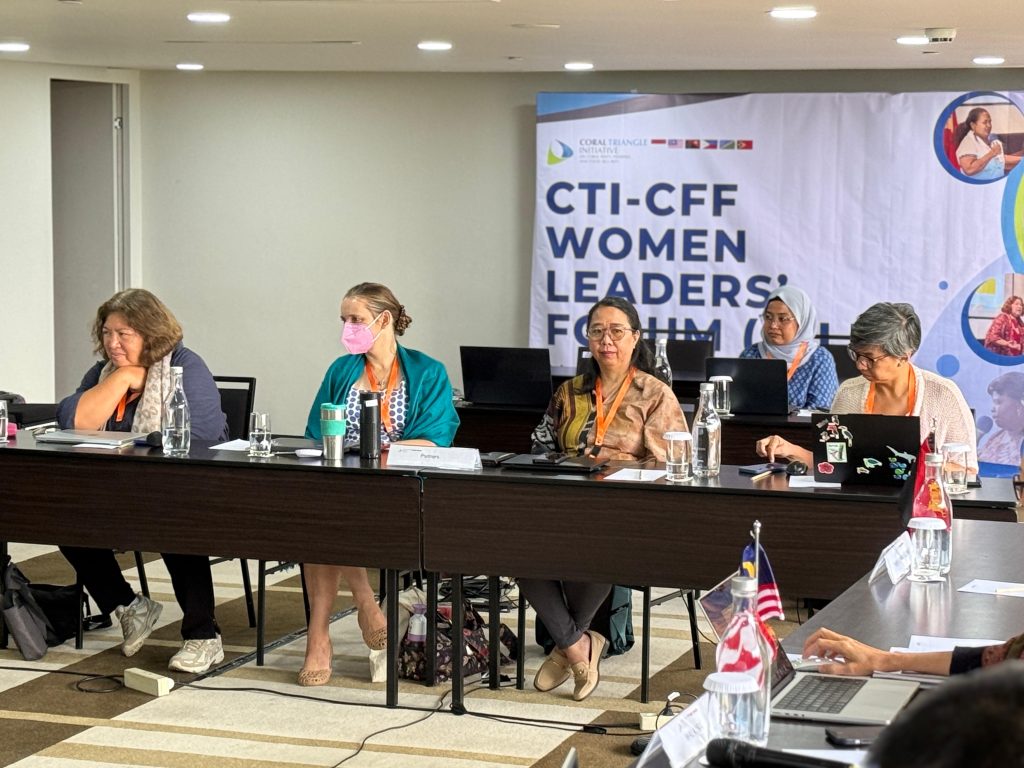
During the meeting, CTC’s Ms.Djohani shared updates on CTC’s regional initiatives, including capacity-building trainings, learning exchanges, and expert workshops that promote peer-to-peer learning across the Coral Triangle. These efforts cover key areas such as marine protected area management, sustainable tourism, and community livelihoods, with a strong emphasis on inclusive participation. CTC also highlighted its ongoing study on the inclusion of Bajau communities, focusing on women and youth, to better integrate traditional knowledge and address socio-economic barriers in marine governance.
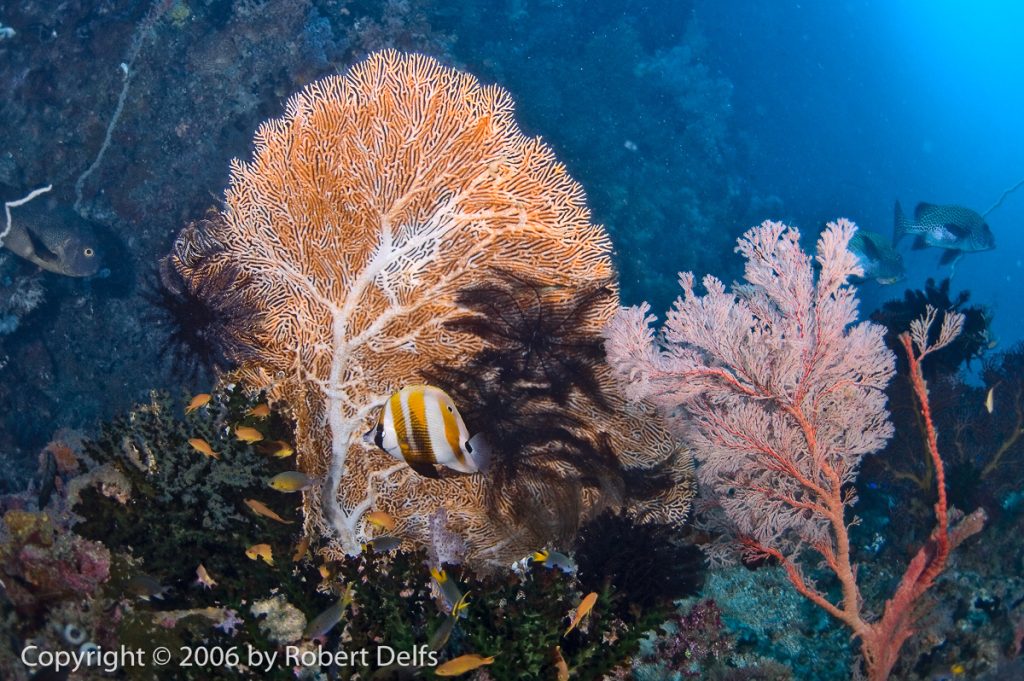
Another major highlight was the development of the CTI-CFF Capacity Building Repository, a regional platform designed to consolidate knowledge products, training resources, and case studies. Scheduled for launch in June 2026, the repository will provide multilingual, user-friendly access to learning materials and strengthen regional knowledge exchange networks.
Discussions also emphasized the importance of strengthening monitoring and evaluation systems, including the use of GESI indicators aligned with RPOA 2.0, and the proposed engagement of a dedicated GESI Specialist to support implementation across programs.
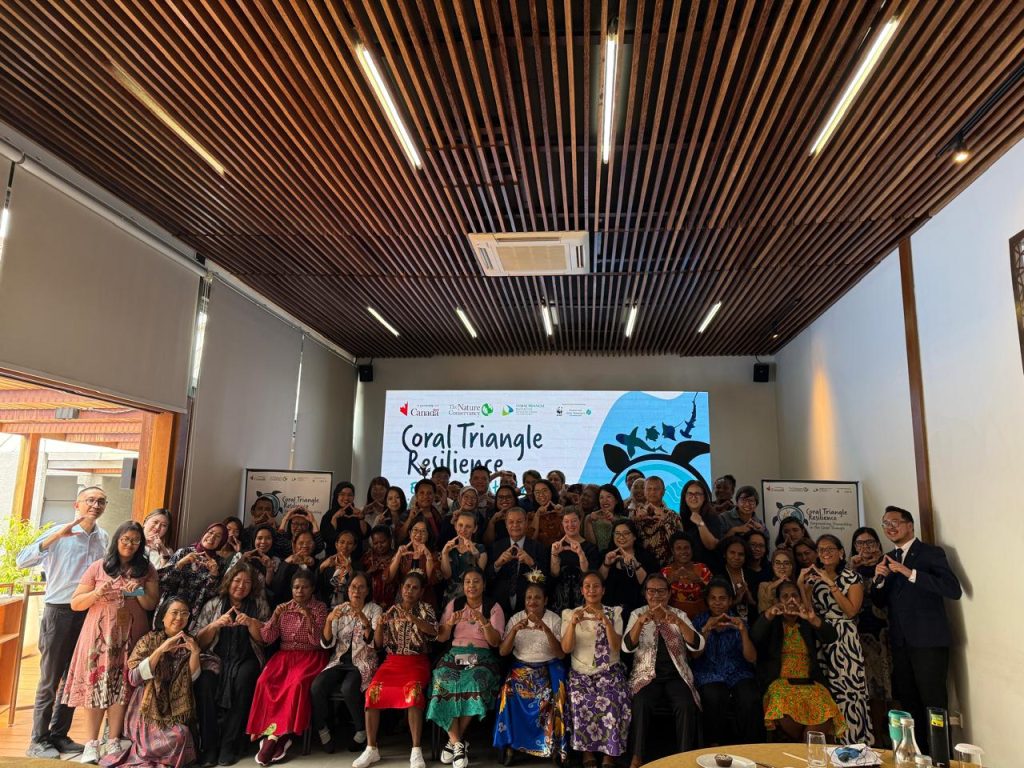
Following the meeting, CTC also attended the launch of the Coral Triangle Resilience program, an initiative led by The Nature Conservancy (TNC) and Yayasan Konservasi Alam Indonesia (YKAN). The program aims to empower women, youth and Indigenous Peoples to lead in natural resource management and climate resilience in Indonesia, Philippines, Papua New Guinea, Solomon Islands and share learnings with Malaysia and Timor-Leste.
Through its active engagement and leadership, CTC reaffirmed its commitment to strengthening women’s leadership, fostering regional collaboration, and advancing inclusive, and equitable marine conservation across the Coral Triangle.
Photo: CTI-CFF Regional Secretariat, Robert Delfs