
CTC Strengthens Marine Protected Area Managers to Support Effective Marine Conservation in Indonesia
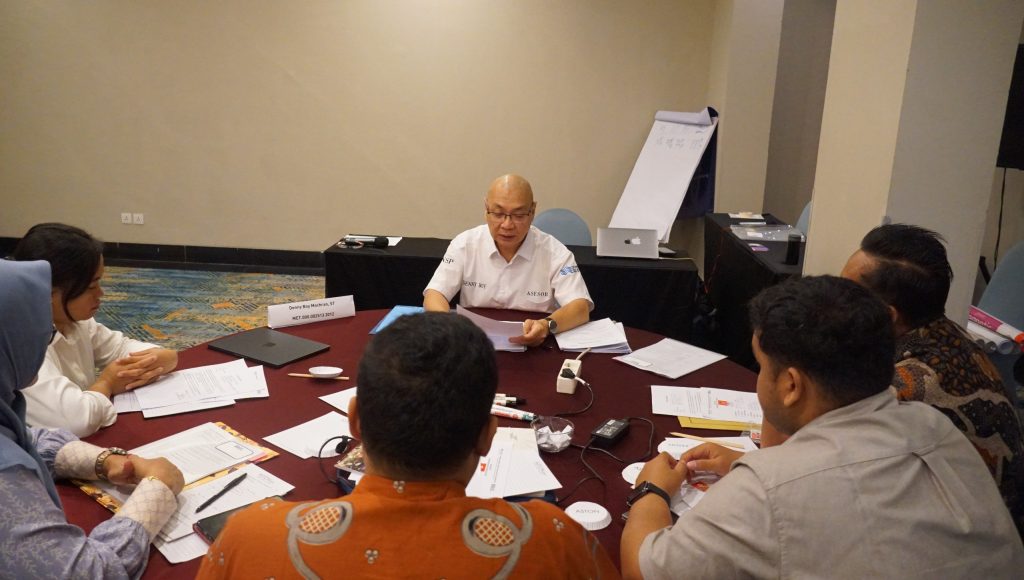
Indonesia’s commitment to conserve 30 percent of its marine waters by 2045 depends on expanding Marine Protected Areas (MPAs) and managing them well. To turn this vision into reality, the Coral Triangle Center (CTC), supported by the Tropical Forest and Coral Reef Conservation and Climate Adaptation (TFCCA), organized the Marine Protected Area (MPA) Management Planning Training Workshop and Competency Assessment in Makassar, South Sulawesi, from June 8 to 14, 2026.
The intensive week equipped marine conservation managers to develop long-term management plans that meet national standards and drive more effective and sustainable MPA management across Indonesia.
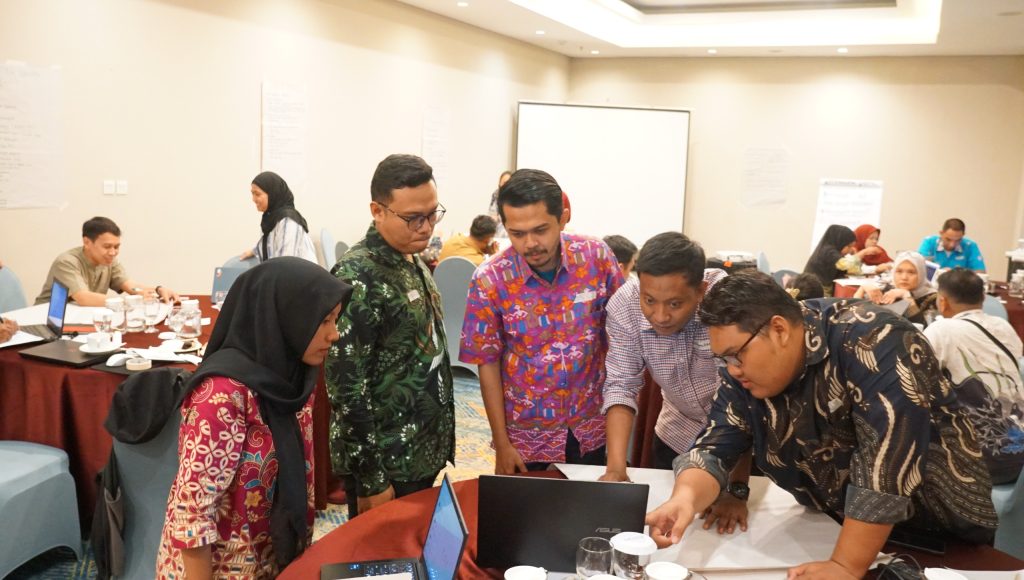
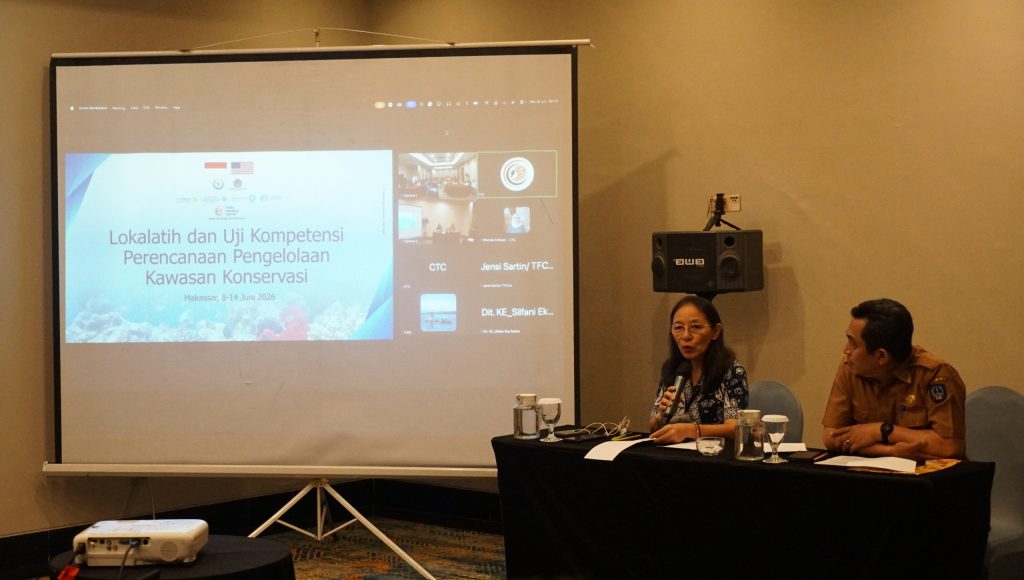
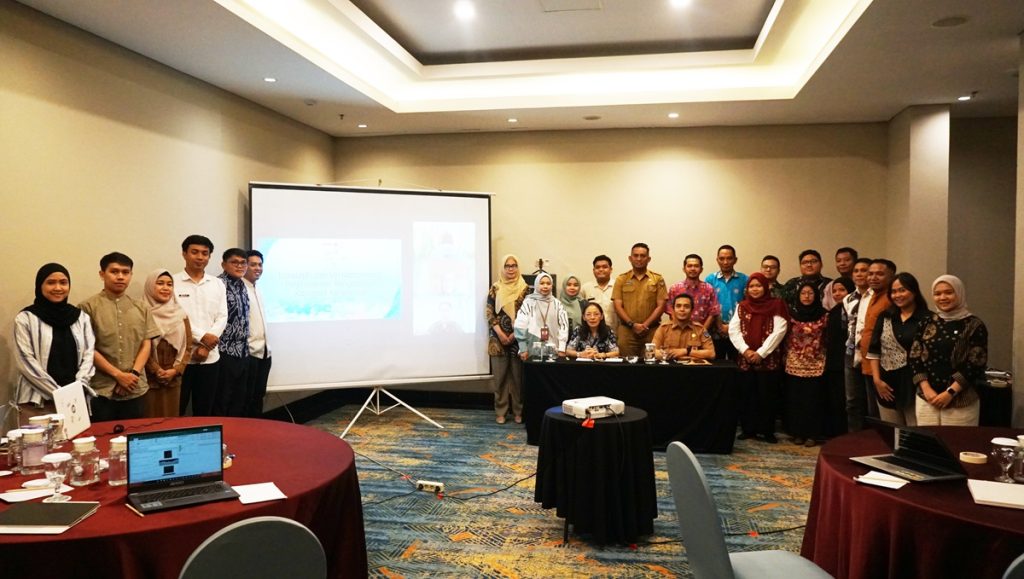
20 participants, 12 men and 8 women, attended, representing 14 MPAs and 12 Technical Management Units (SUOP) from East Nusa Tenggara, South Sulawesi, Southeast Sulawesi, and Central Sulawesi. Firdaus Agung, Director of Ecosystem Conservation at the Ministry of Marine Affairs and Fisheries and Head of Oversight Committee TFCCA, opened the event online, while M. Ilyas, Head of the South Sulawesi Marine and Fisheries Agency (DKP), delivered welcoming remarks in person. Representatives from TFCCA also attended the opening session online, underscoring their continued support for strengthening marine conservation management in Indonesia.
As Indonesia prepares to implement the updated Marine Protected Area Management Effectiveness Evaluation (EVIKA 2.0), the need for trained personnel is critical. While the country’s network of protected waters continues to grow, many sites still face staff shortages and a lack of comprehensive management plans.
To bridge this gap, the workshop prepared participants to draft 20-year management plans aligned with the Ministry of Marine Affairs and Fisheries Regulation No. 31 of 2020. They mapped out conservation targets, evaluated localized threats, calculated financing needs, and integrated vital new EVIKA 2.0 metrics—including ecological connectivity, risk management, climate safeguards, and social inclusion (GEDSI).
Working in groups, participants built six draft management plans for MPAs in Lembata and East Flores, Panikiang Island and Pasi Gusung Island, Tomini Bay, and Banggai Dalaka. Each draft included conservation targets, situation analyses, management vision and objectives, monitoring frameworks, action plans, human resource requirements, and financing and partnership strategies. These blueprints will undergo final coaching and refinement in October 2026 before full field deployment.
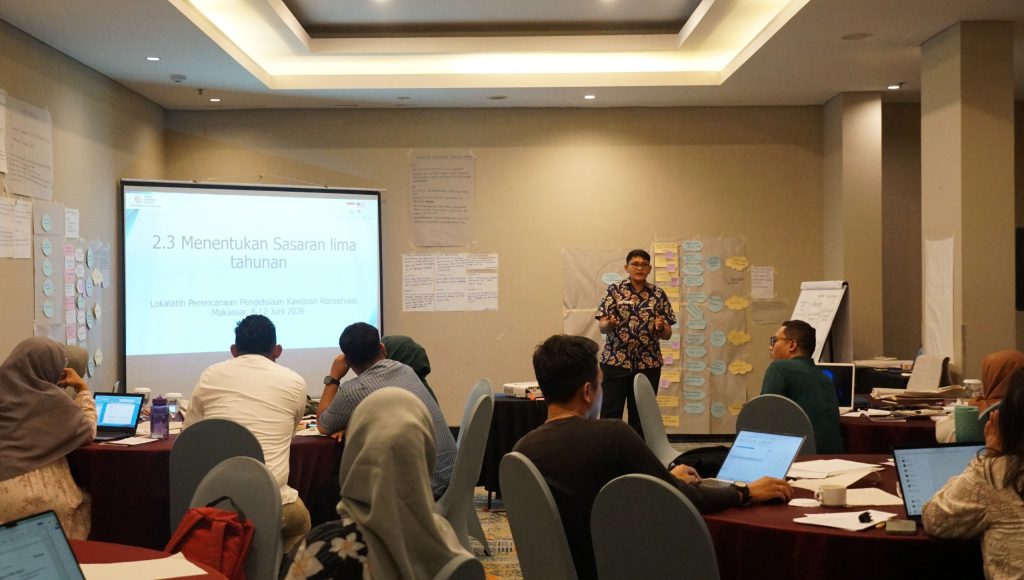
To anchor their classroom work in real-world success, Syafri, former Head of the Raja Ampat Regional Public Service Agency (BLUD), led a knowledge-sharing session. He shared how Raja Ampat leveraged tight governance, local partnerships, and innovative financing to secure long-term conservation outcomes.
The workshop culminated in a rigorous, two-day national competency assessment led by CTC’s Competency Assessment Center and the Professional Certification Institute (LSP KJK). Through field observations and interviews, 19 of the 20 participants officially earned their credentials as certified MPA Management Planning Experts.
This successful event marks the first of two TFCCA-backed sessions, with the second scheduled for Ambon in August 2026. By turning frontline practitioners into certified planning experts, CTC is ensuring Indonesia’s marine biodiversity is protected by world-class science and strategy.
Writer: Asia Salsabilla
Photos: Denny Boy Mochran/CTC, Kasman/CTC