
Advancing Marine Protected Area (MPA) Management in Timor-Leste
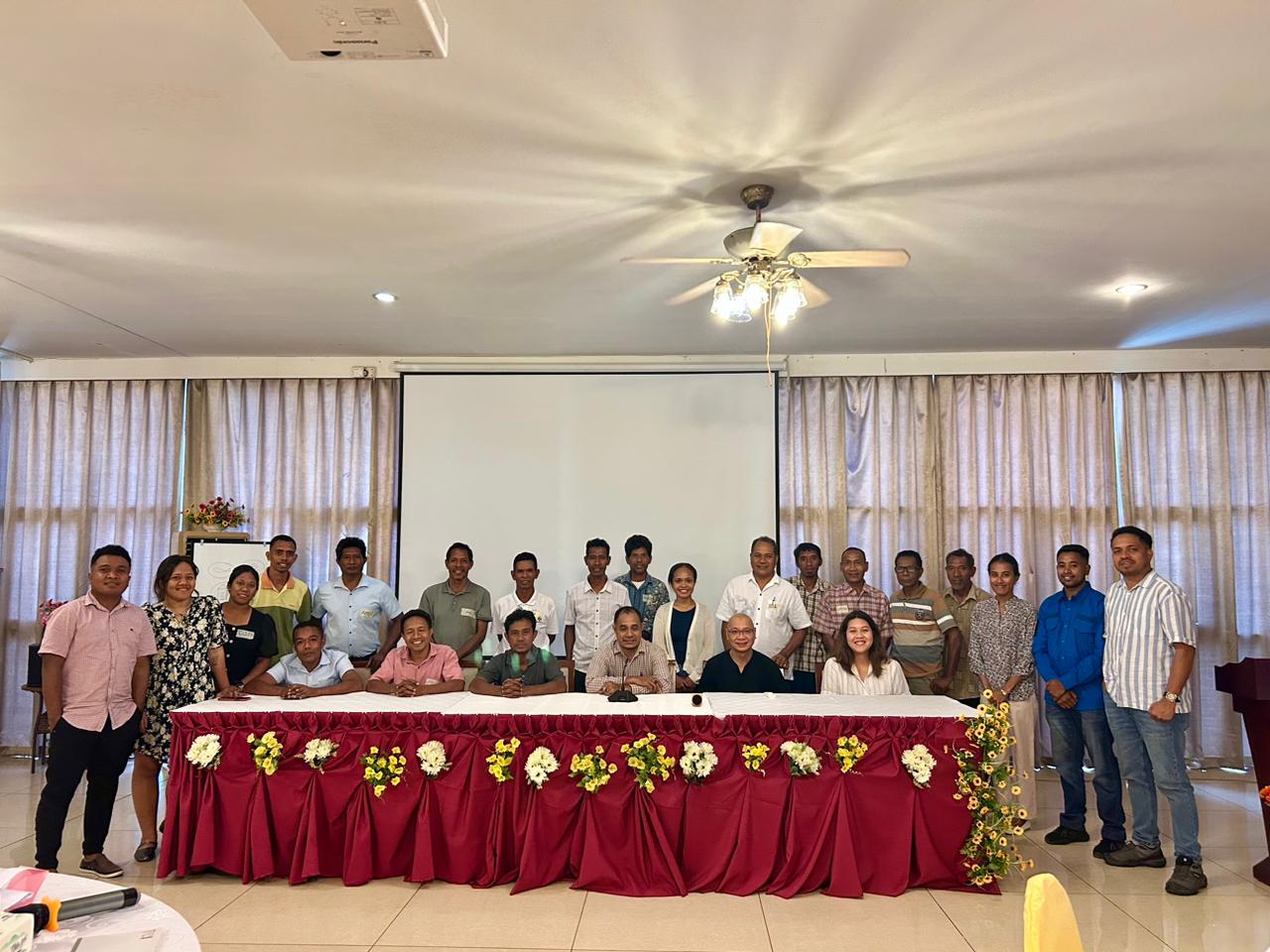
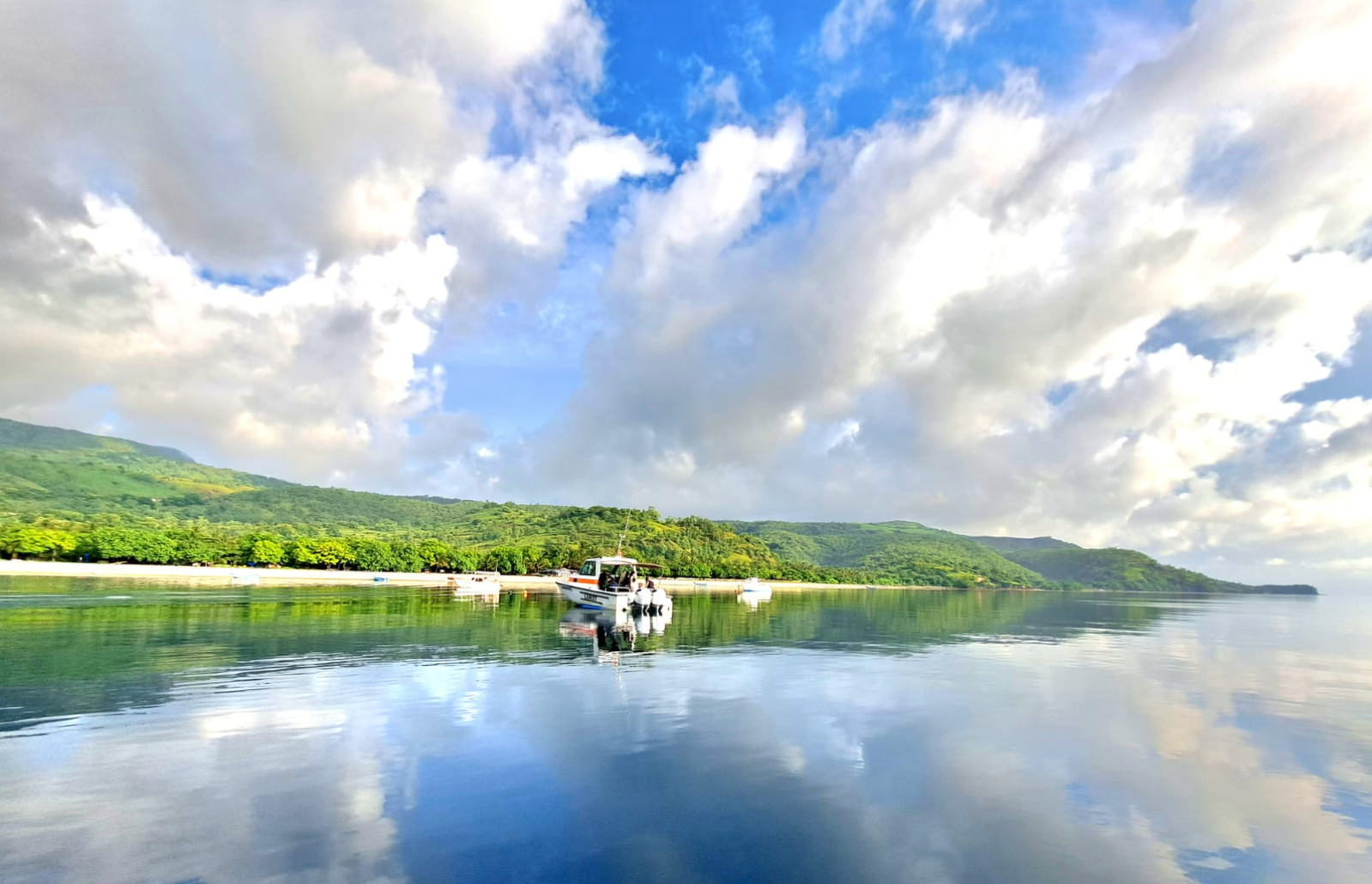 Twenty marine conservation practitioners from government, NGOs, MPA Atauro, and MPA Samba Sembilan, Liquica recently completed an intensive four-day training in Dili from 17 to 20 November 2025, strengthening their skills in managing Marine Protected Areas. Organized by the Coral Triangle Center (CTC) in partnership with Timor-Leste’s Ministry of Agriculture and Fisheries (MAF), the training focused on coastal ecology, conservation area establishment, zone design, and monitoring and evaluation plan development.
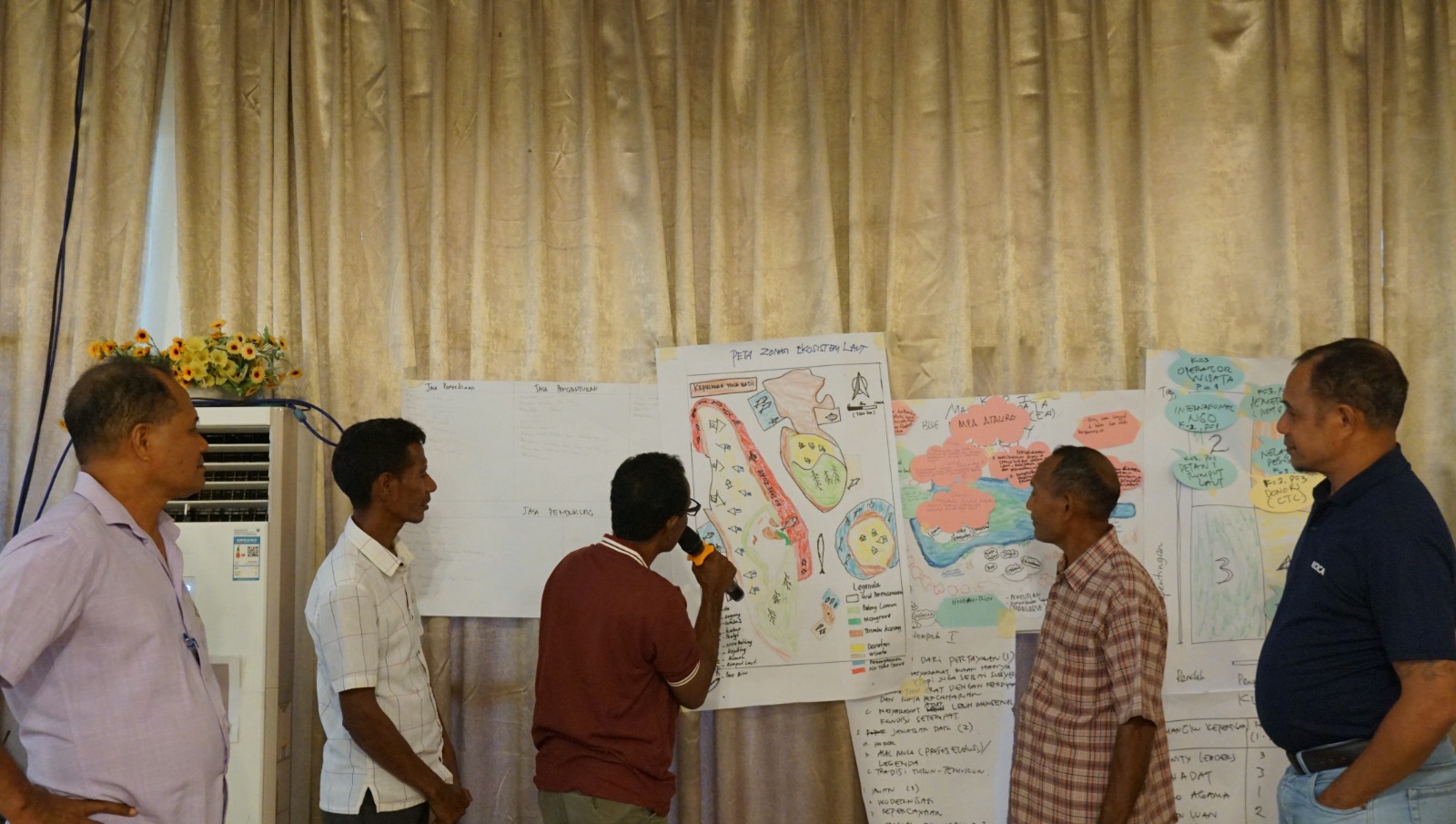 This specialized training was designed to address competency gaps identified through a 2024 Training Needs Assessment (TNA). Participants worked through practical exercises in zone mapping, threat assessment, and monitoring plan development—skills they can directly apply in their respective MPAs. The initiative represents a strategic step toward building a more structured and sustainable national MPA learning system in Timor-Leste using a phased and participatory learning approach.
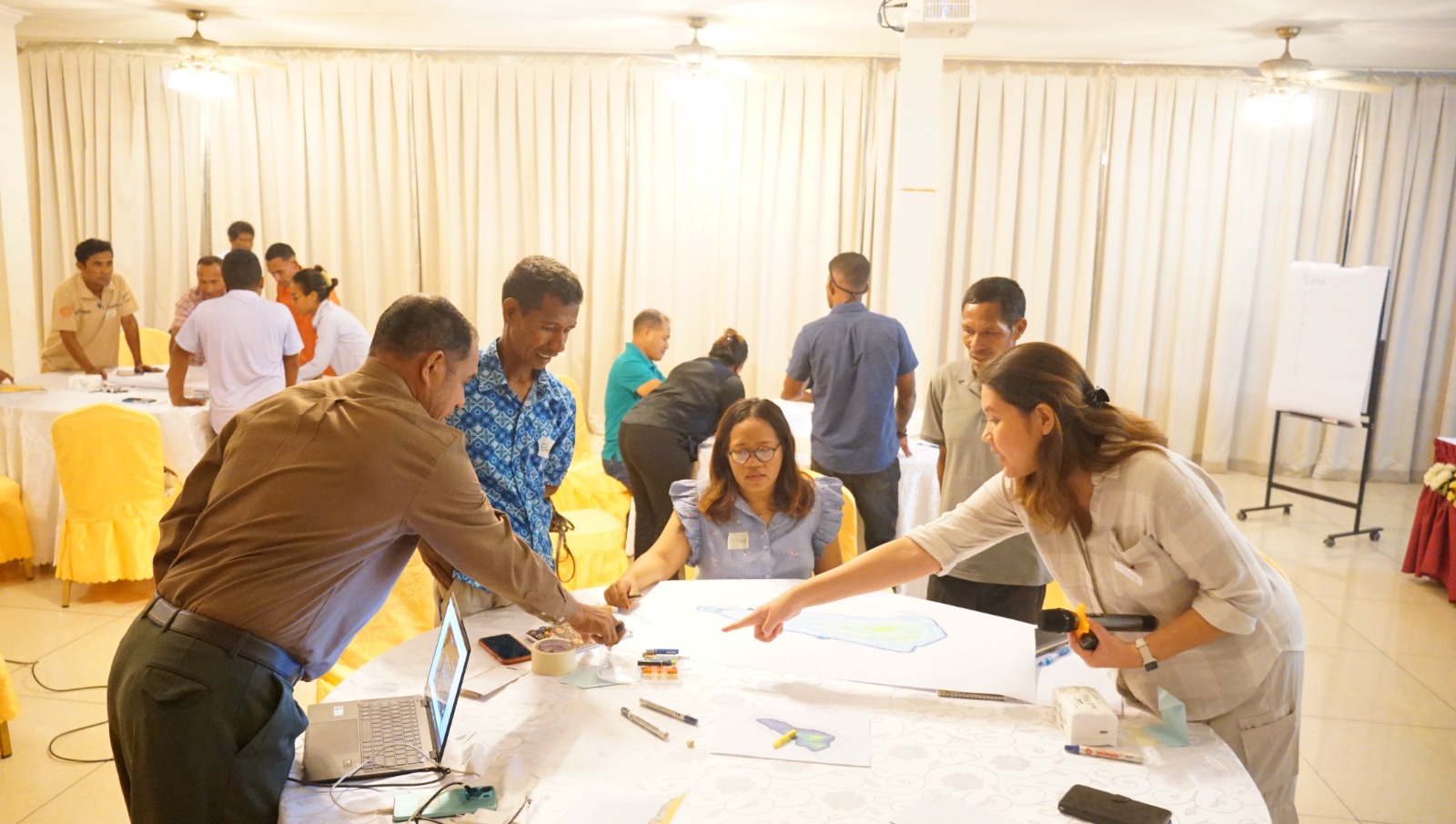 The training combined theoretical sessions with practical exercises. Through experiential learning methods such as group discussions and hands-on simulations, participants were able to connect technical concepts with their day-to-day management realities. The training team from CTC delivered all sessions in Bahasa Indonesia, with Tetun language translation during group discussions. Tetun-language modules were also provided on the first day to enhance accessibility and understanding.
The training demonstrated clear results. The most notable improvements were seen in participants’ understanding of coastal ecosystem linkages and the basic steps of conservation area design. Over the four days, the quality of discussions steadily evolved, with participants showing increased confidence in analyzing local threats and proposing practical management solutions. Strong local knowledge brought into the discussions significantly enriched the learning process. Although the participants came from diverse backgrounds that required some technical concepts to be simplified, this inclusive approach ensured meaningful engagement, particularly when discussing conditions in Atauro and Liquica MPA.
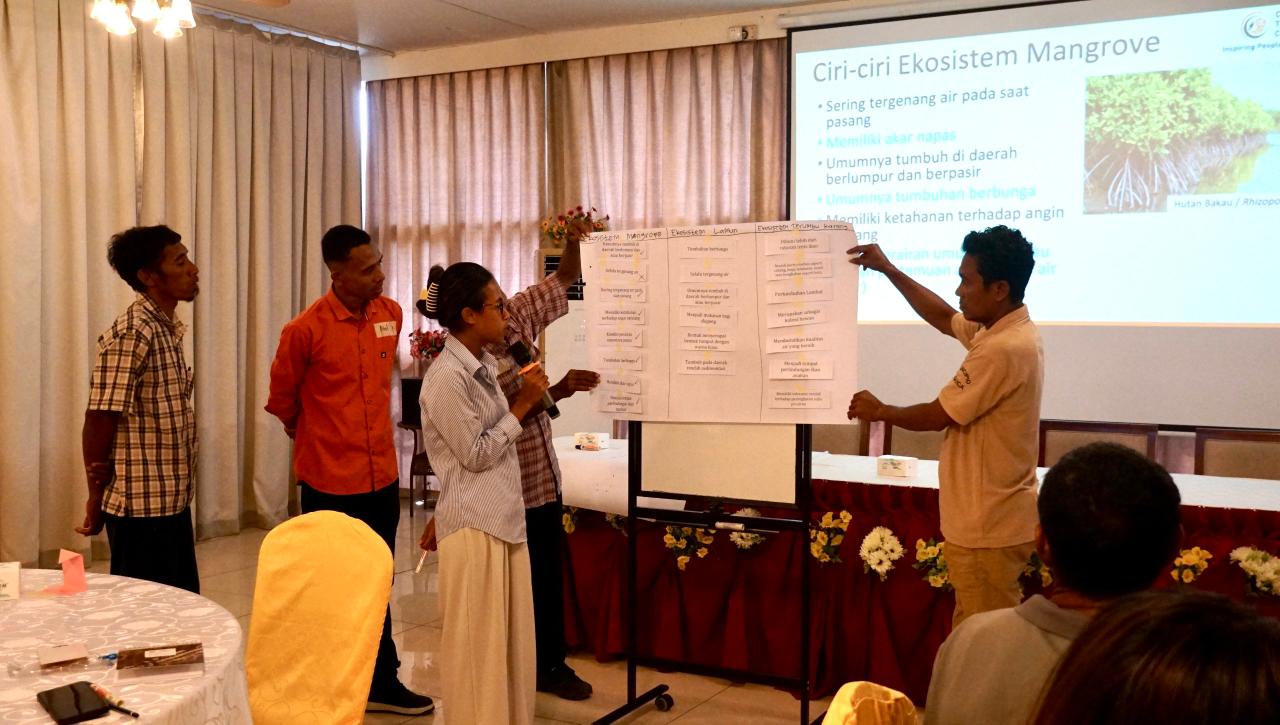 They also produced tangible outputs, including zone design maps, threat mitigation matrices, and monitoring plans. The practical sessions were rated as the most beneficial, as they appreciated the concrete and applicable nature of these exercises. The participants were highly satisfied with the material clarity, topic relevance, and facilitator quality. At the same time, they offered constructive feedback, calling for longer and more frequent training sessions, additional field practice opportunities, and continued availability of Tetun-language materials. Many specifically asked for follow-up training on zoning and monitoring.
 Building on these outcomes, CTC recommends future capacity-building efforts on advanced zoning, community-based monitoring, biota and habitat identification, and surveillance and enforcement. On-site technical assistance for Atauro MPA and Samba Sembilan MPA is also being considered to support participants as they apply their new skills.
This training reinforces CTC’s commitment to supporting Timor-Leste’s MAF in building stronger, more sustainable local MPA management systems—one step closer to resilient marine conservation for the region.
Writer: Jaling Sim
Photos: Hana Laura/CTC, Merthen Welly/CTC