
Advancing Community Surveillance Capacity through Regional Learning Exchange
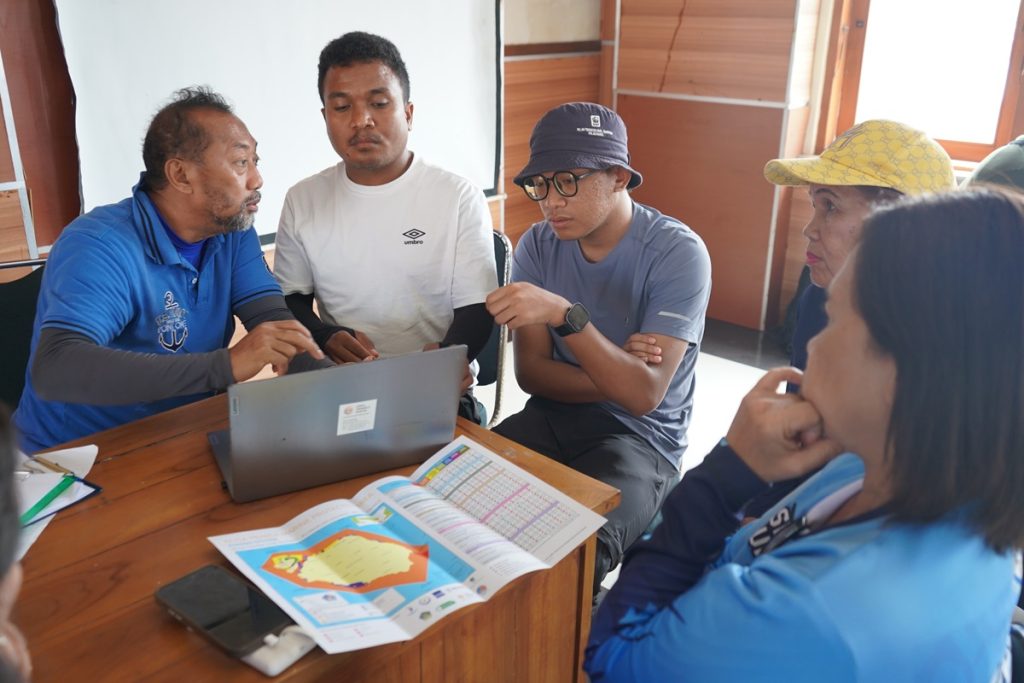
From 18 to 21 February 2026, Coral Triangle Center (CTC) under the Climate and Ocean Adaptation and Sustainable Transition (COAST) Facility Project successfully organized a Regional Learning Exchange on Community-Based Surveillance, bringing together 25 representatives of community surveillance groups from Indonesia, Malaysia, Papua New Guinea, the Philippines, and Timor-Leste at the Center for Marine Conservation, Bali, Indonesia. The four-day exchange was designed to strengthen coordination, technical capacity, and peer learning among community groups supporting Marine Protected Areas (MPAs) in their respective work areas.
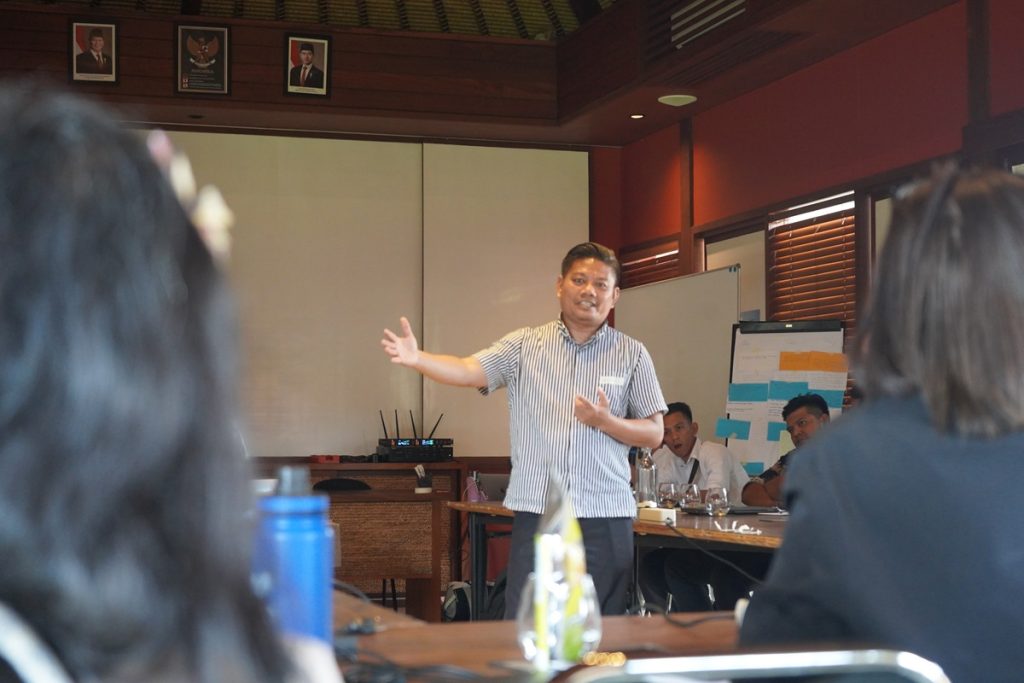
The program opened with welcoming remarks from CTC Executive Director Rili Djohani, followed by country presentations on the current status of their surveillance systems. These sessions covered institutional arrangements, monitoring and reporting procedures, enforcement mechanisms, and key operational challenges. The exchange created space for participants to compare approaches, share practical solutions, and identify common priorities to strengthen MPA protection across the region.
Marthen Welly, CTC’s Senior Marine Conservation Adviser said “Participants shared many experiences, best practices, challenges, and lessons learned about surveillance to support marine conservation area management during the learning exchange. Several interesting topics were actively discussed, such as collaborative management, surveillance methods, and sustainable financing models. These discussions helped broaden and strengthen participants’ knowledge on community surveillance.”
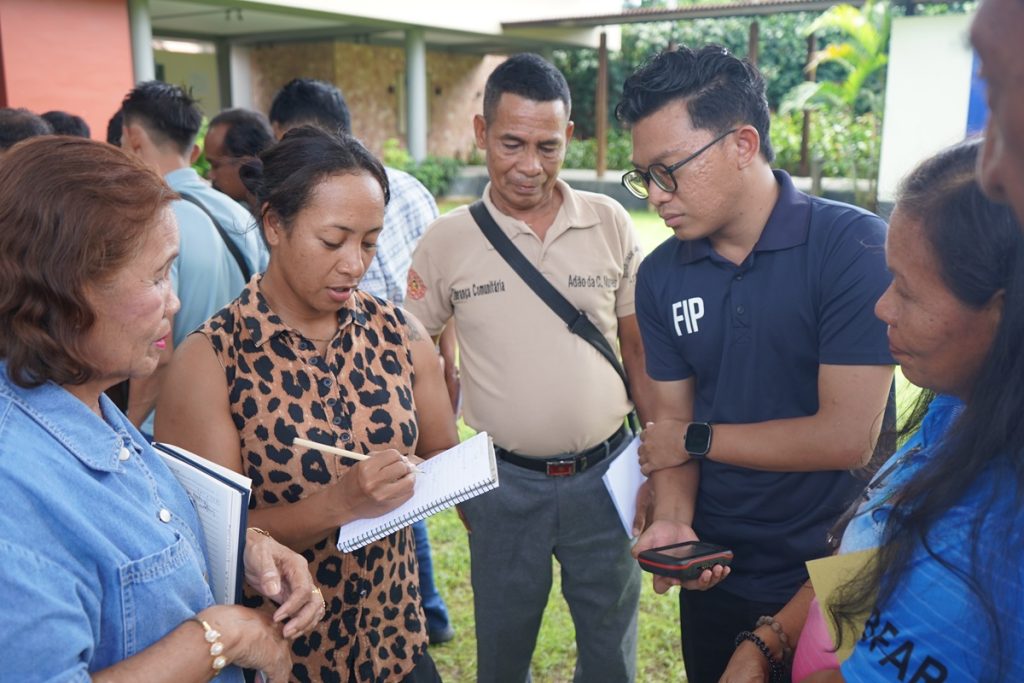
On the second day, 19 February, participants were introduced to the Resource Use Monitoring (RUM) protocol implemented by CTC in the Nusa Penida MPA, including data entry and reporting procedures. To prepare for field implementation, participants took part in a hands-on simulation at the Center, walking through each step of the monitoring process. The exercise included role-play interviews with fishers, facilitated by the CTC team. The day concluded with a reflection session, where participants shared feedback to further refine and strengthen the protocol.
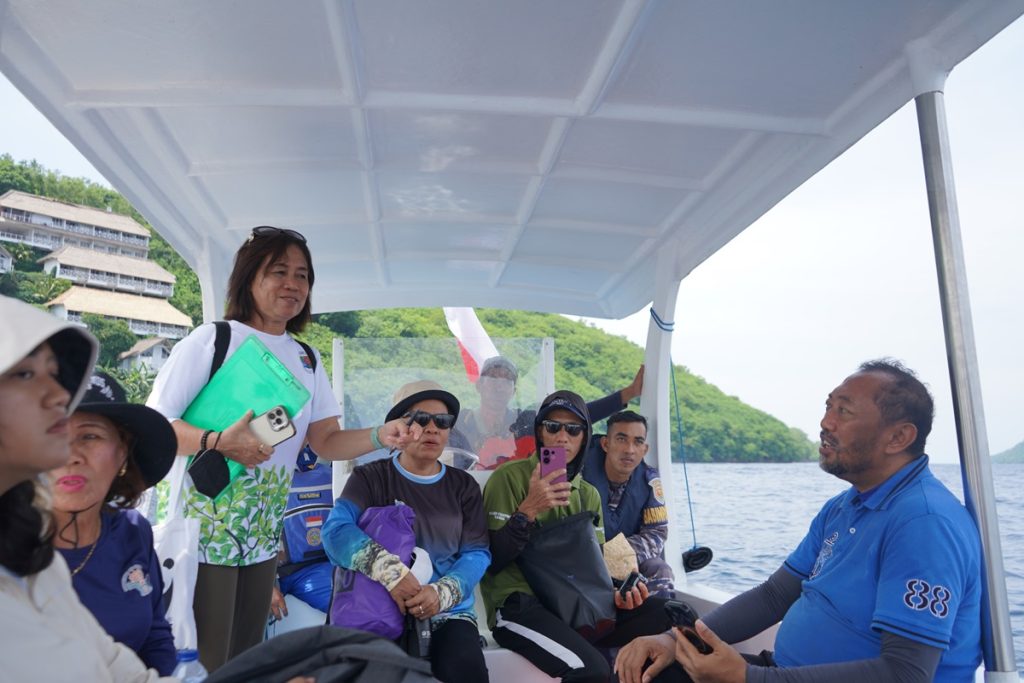
The field visit to the Nusa Penida MPA on 20 February began with a coordination meeting at the Bali Provincial MPA Management Unit (UPTD KKP Bali) prior to joining the regular monitoring activity. Participants were divided into two monitoring teams: Group 1 covered the area from Sampalan to Crystal Bay, while Group 2 covered Mangrove Point. Each team conducted a short briefing to assign roles before beginning fieldwork. The monitoring was conducted collaboratively with key stakeholders, including Marine Police officers, highlighting cross-agency coordination in supporting effective MPA management and enforcement.
“This learning exchange was very insightful for us, especially in learning from other community surveillance groups. We gained a clearer understanding of the entire monitoring process and how they collaborate with other stakeholders, from preparation and role division to documenting and reporting key findings in the field. We hope to apply these lessons to strengthen our community-based surveillance efforts at our site in Papua New Guinea.” – said Balanama Asigau, Centre for Ecosystem Management & Environmental Research Inc.
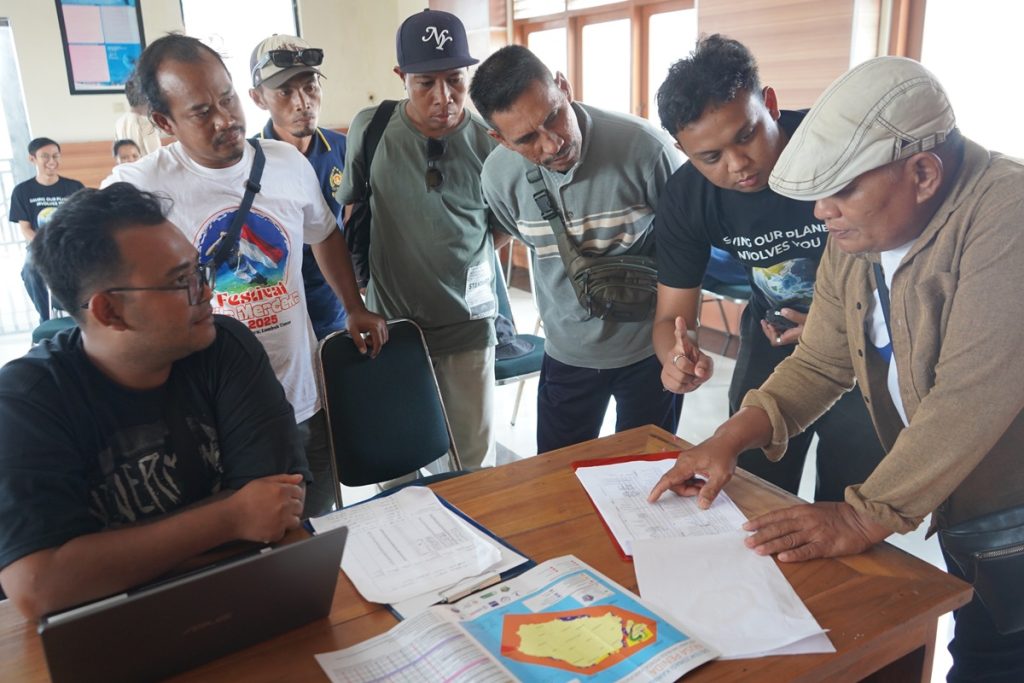
During the last day of the training, participants emphasized that the learning exchange served as a valuable platform for strengthening knowledge sharing and regional coordination among community surveillance groups within the Coral Triangle. Mohd Faizal bin Tohrikih from Persatuan Kekal Asli Tigabu (KAT) also expressed his appreciation for this event, especially for the field visit to Nusa Penida MPA to join the regular monitoring and hand-on practice in reporting. He noted that the opportunity to directly observe cross-agency coordination and structured monitoring processes provided practical insights that could be adapted and applied within their own community surveillance efforts moving forward.
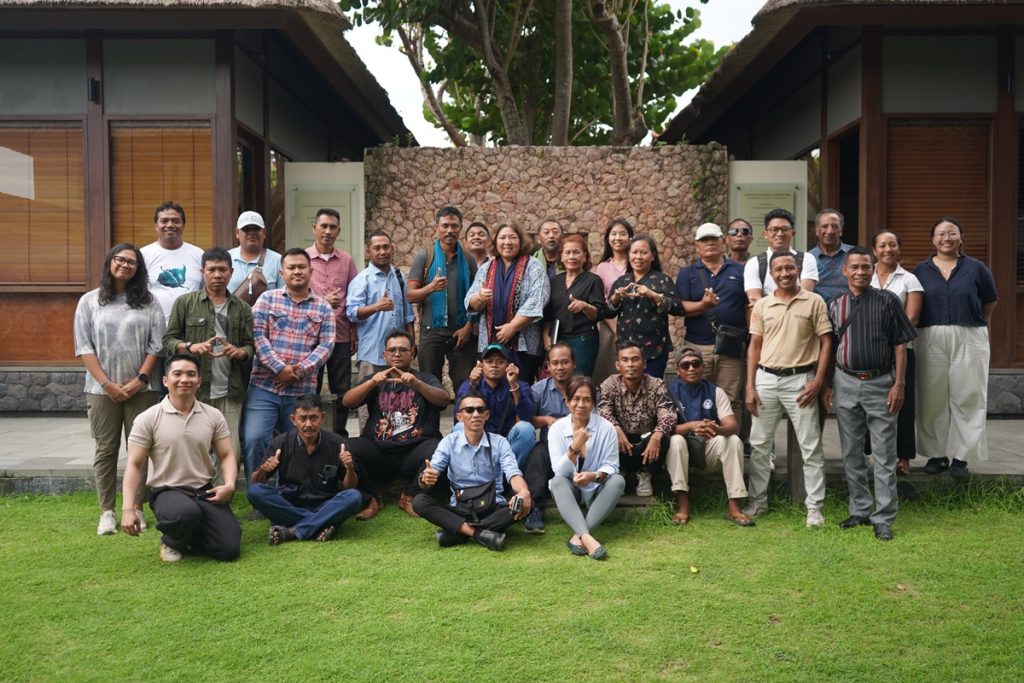
Overall, the activity strengthened partnerships and reinforced technical competencies in monitoring and reporting. CTC remains committed to continuing its support for collaborative initiatives that build capacity and enhance effective MPA management across the Coral Triangle region.
Writers: Adam Putra, Marthen Welly, Kanoe
Photos: Adam Putra/CTC