
Strengthening OECM Knowledge Across Local Communities and National Facilitators
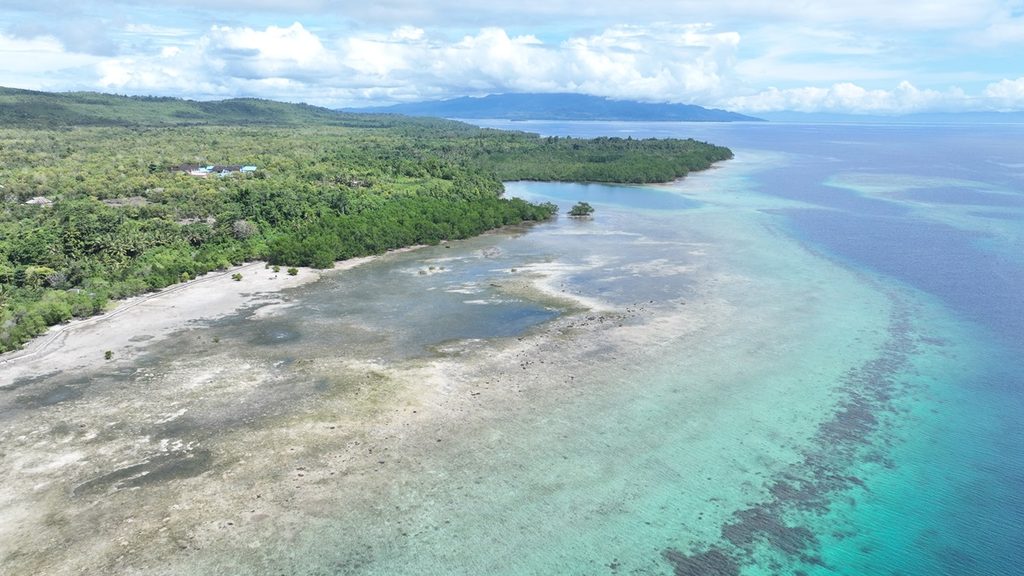
Across Indonesia, coastal communities are proving that effective ocean conservation extends far beyond Marine Protected Areas (MPAs). For generations, local institutions have managed coastal areas and small islands to sustain healthy ecosystems and support sustainable use of natural resources. Now, Other Effective Area-Based Conservation Measures (OECMs) provide a formal pathway to recognize and strengthen these local efforts.
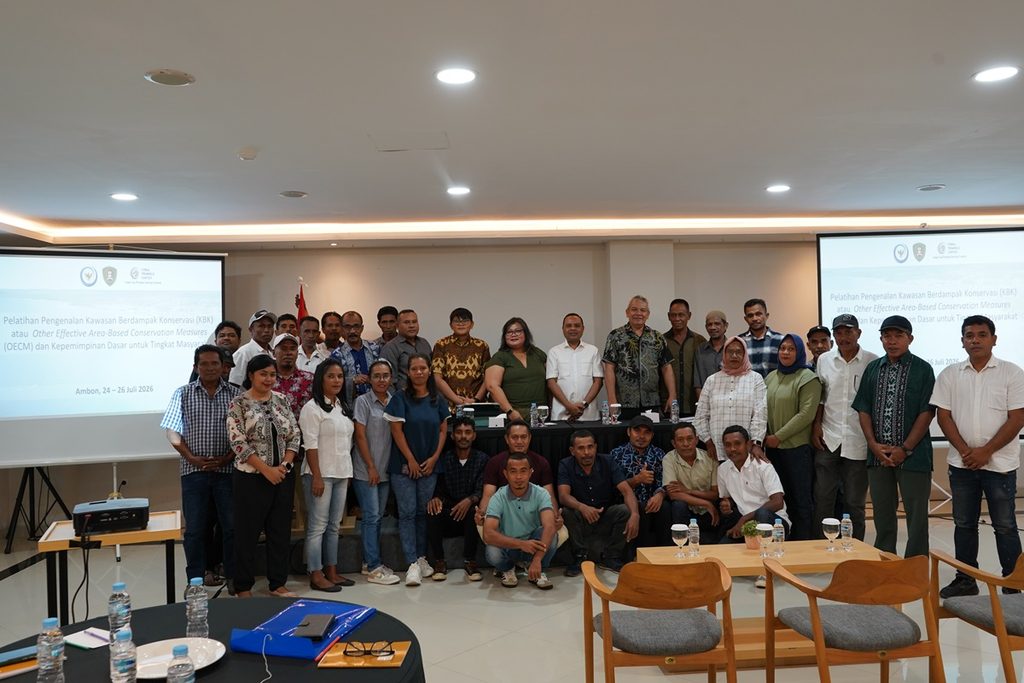
Building this momentum requires bridging the gap between ground-level action and national policy. From July 24 to 26, 2026, in Ambon, Coral Triangle Center (CTC), with support from representatives of Maluku’s Marine and Fisheries Agency (MMAF), conducted training on OECM and introductory and basic leadership at the community level. Customary leaders, community groups, youth, women, and fishers from Pelauw and Haruku villages joined to explore how their traditional practices fit within the OECM framework. The training was facilitated by MMAF and Pew Marine Science Fellow Dr. Hesti Widodo, in collaboration with the CTC team.
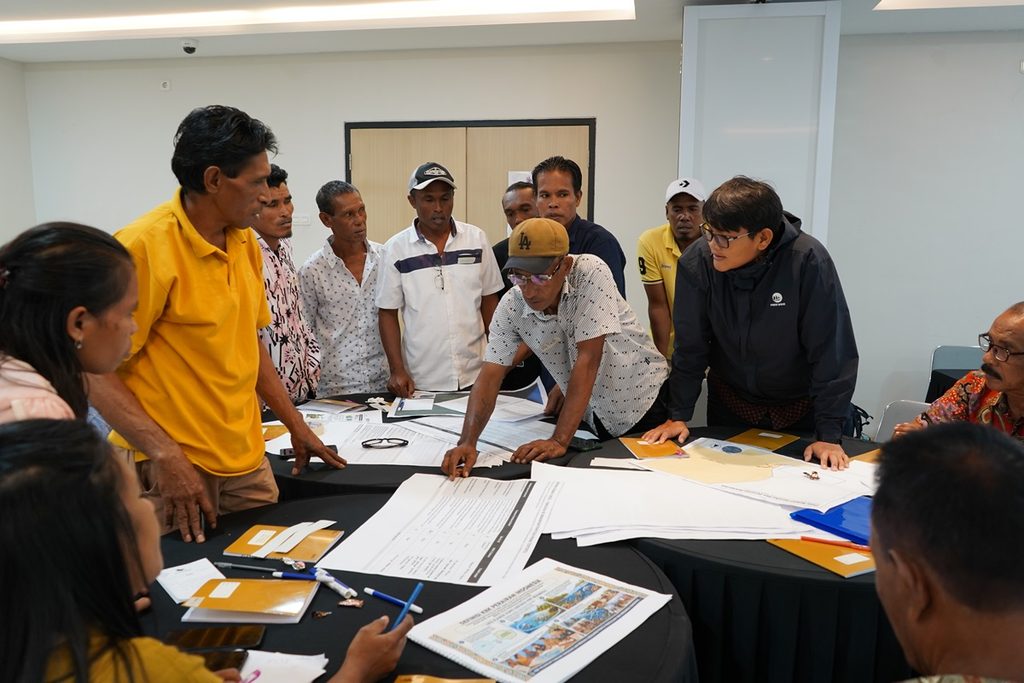
Participants unpacked the criteria of OECMs and worked through the official nomination process. Rather than relying on abstract concepts, the group evaluated real local practices, using case studies from the Haruku customary community and Sasi Pelauw to practice completing actual OECM nomination forms.
Participants also explored personality styles and effective communication as part of the leadership sessions, connecting technical conservation knowledge with skills that can foster stronger collaboration within their communities.
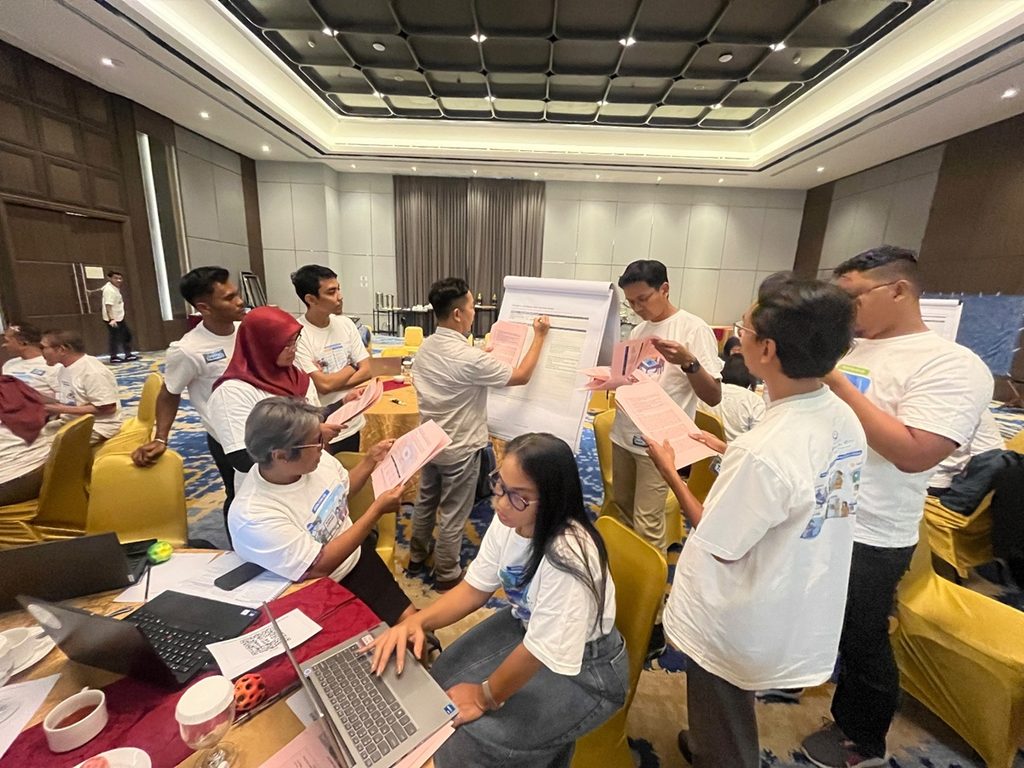
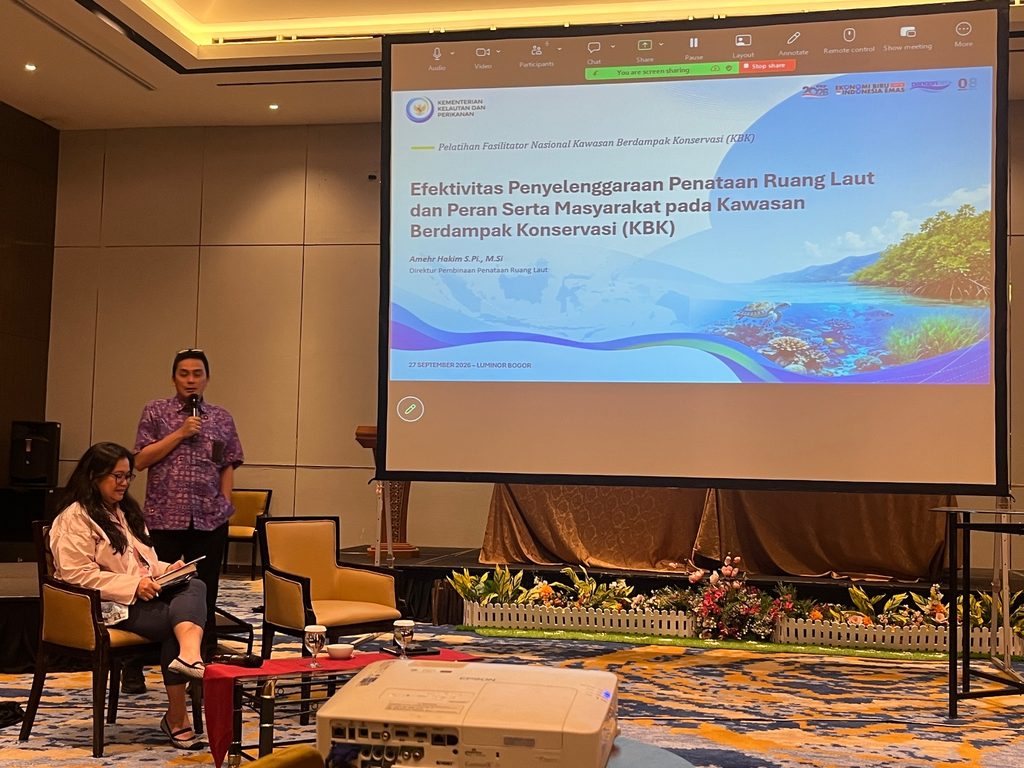
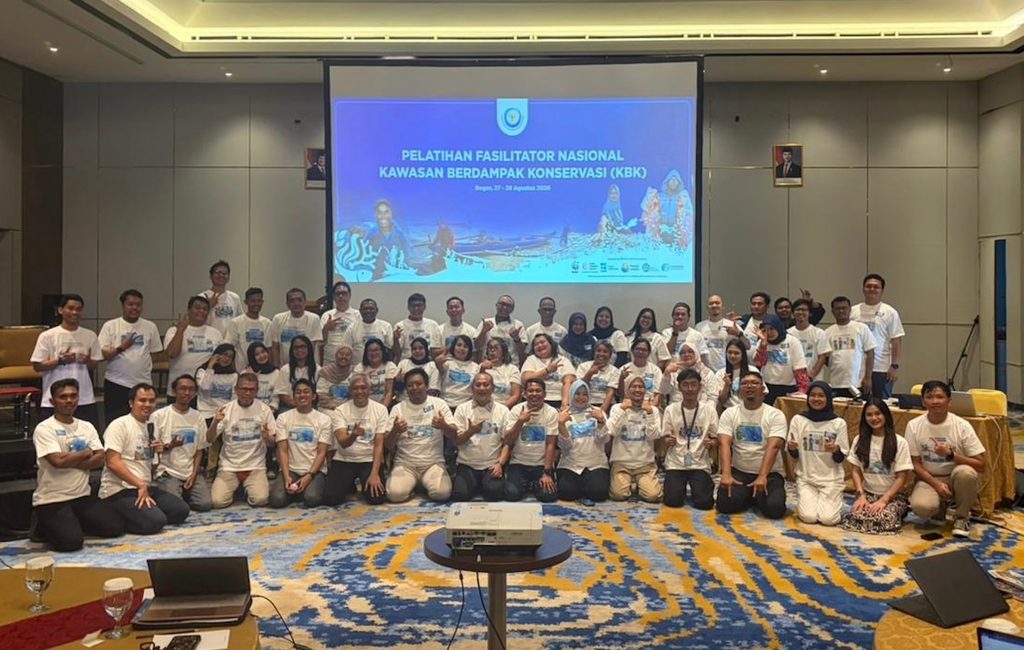
The push for local recognition expanded to a national scale weeks later. From August 27 to 28 in Bogor, 60 conservation practitioners, academics, and government representatives from across Indonesia gathered for the National Facilitator Training for OECM. Led by RARE in collaboration with the MPA-OECM Consortium and the Ministry of Marine Affairs and Fisheries (MMAF), the session prepared leaders to evaluate potential sites nationwide.
The attendees examined OECM legal frameworks, spatial alignment, and global standards. Working in teams, they applied the Site-Level Assessment Tool (SLAT), the standard mechanism for identifying viable OECMs, to analyze real fieldwork locations and design action plans for their home regions. Each institution also identified follow-up actions to continue the work beyond the training.
The diverse group of participants brought perspectives from different parts of Indonesia, including Bogor, Aceh, the Riau Islands, West Kalimantan, North Maluku, West Nusa Tenggara, North Sulawesi, Southeast Sulawesi, East Nusa Tenggara, West Papua, and Maluku. This created an opportunity to exchange experiences and consider how OECM approaches can be applied in different local contexts.
These two initiatives connect traditional wisdom with national policy tools. Local communities learn to frame their heritage as recognized conservation, while national experts gain the tools to evaluate and protect those sites. To maintain this momentum, CTC is expanding community-level training to Hatta and the villages of Soleh, Kaibobu, and Waesala, giving more coastal communities the recognition and support they need to protect their waters.
Writer: Megan Alexis
Photos: Gerald Istia/CTC, Megan Alexis/CTC, Purwanto/CTC