
CTC Kicks-off Project to Strengthen Management Effectiveness and Sustainable Tourism in Nusa Penida MPA
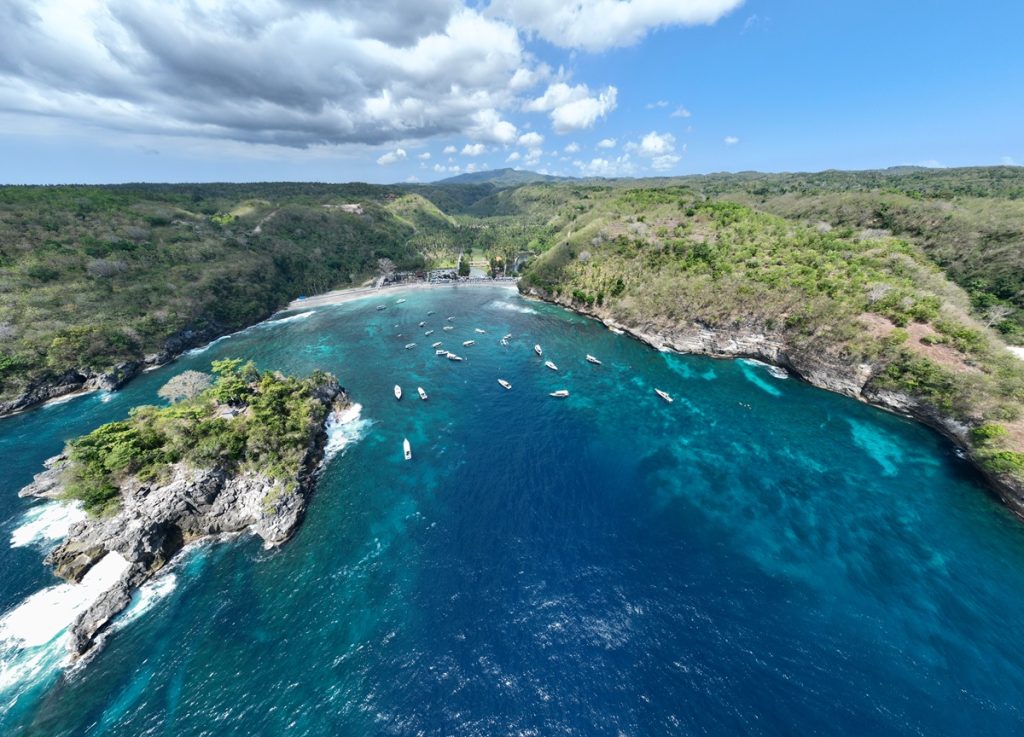
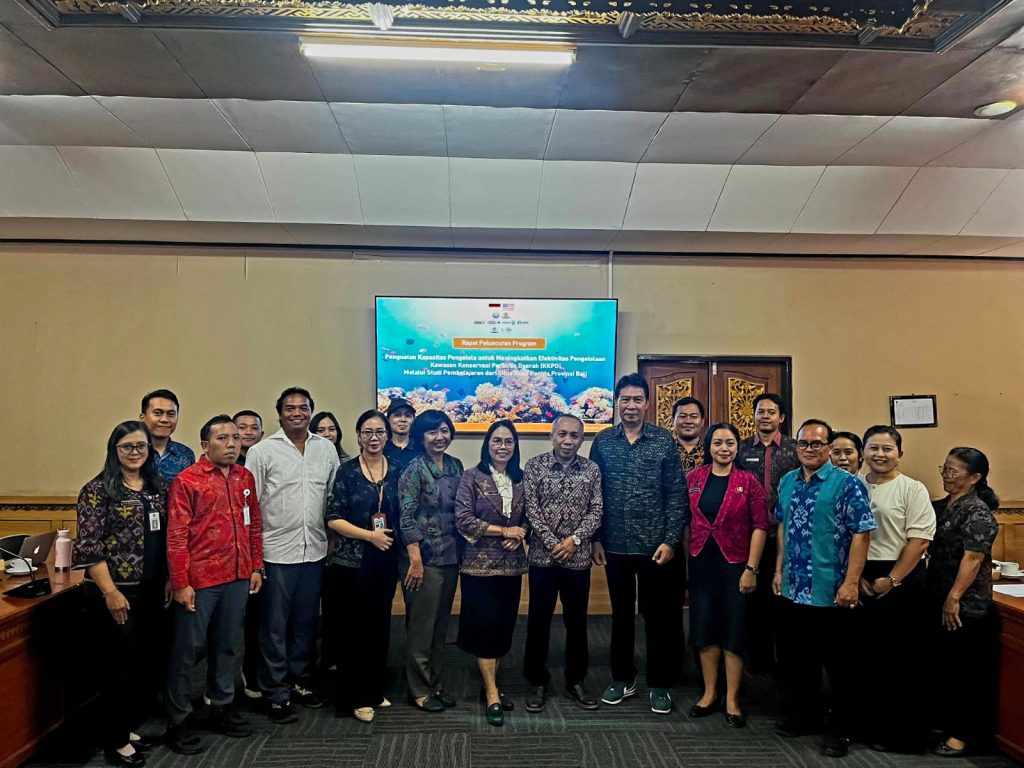
The Coral Triangle Center (CTC), supported by Tropical Forest and Coral Reef Conservation and Climate Adaptation (TFCCA), officially launched the Strengthening Marine Protected Area Management Effectiveness through Learning from the Nusa Penida Marine Protected Area (MPA) program. Two kick-off meetings in Bali set the program in motion. The first took place on June 9, 2026, at the Bali Provincial Marine and Fisheries Agency (DKP) in Denpasar. The second followed on June 24 in Nusa Penida, where local stakeholders gathered to shape how the program will be implemented on the ground.
The program supports Indonesia’s MPA and OECM Vision 30×45. Nusa Penida has been selected as a learning site as it demonstrates the tension between marine conservation and coastal livelihoods. Home to more than 65,000 residents, it welcomes over 650,000 visitors annually, becoming one of Indonesia’s premier marine tourism destinations. Drawn by manta rays, ocean sunfish (mola mola), and healthy coral reefs, rising tourism is straining the very marine ecosystems that attract people here, underscoring the need for stronger, science-based management.
The program is anchored on five integrated initiatives: assessing tourism carrying capacity, mapping marine tourism activities, developing standard operating procedures (SOPs) for responsible marine tourism interactions, expanding education and awareness for tourism operators and visitors, and strengthening community outreach. The broader initiative also builds capacity for MPA Management Units (SUOPs) across the Lesser Sunda and Banda Seascapes through technical training, competency certification, and learning exchanges designed to spread across conservation areas throughout eastern Indonesia.
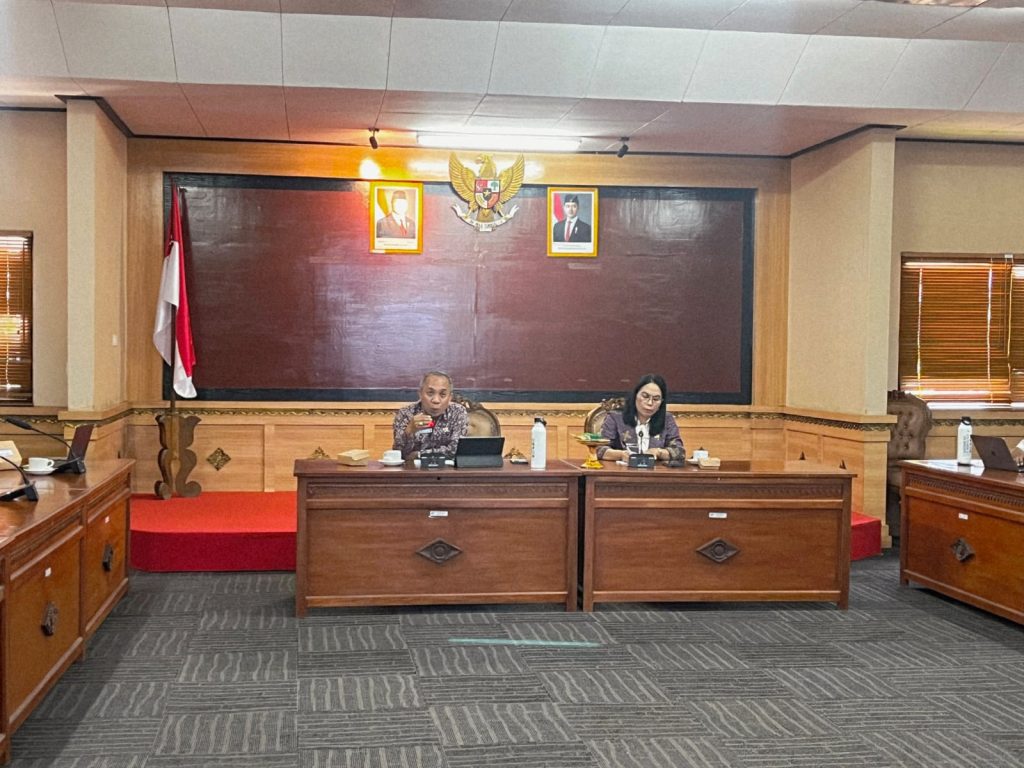
In Denpasar, representatives from the Bali Provincial Government, Klungkung Regency Government, the Bali MPA Management Unit, provincial development and tourism agencies, universities, tourism associations, and TFCCA partners gathered. The Assistant for Economy and Development of the Bali Provincial Secretariat opened the meeting. During the event, participating institutions signed a joint statement committing to the program and closer collaboration to promote sustainable marine tourism and effective conservation management in Bali.
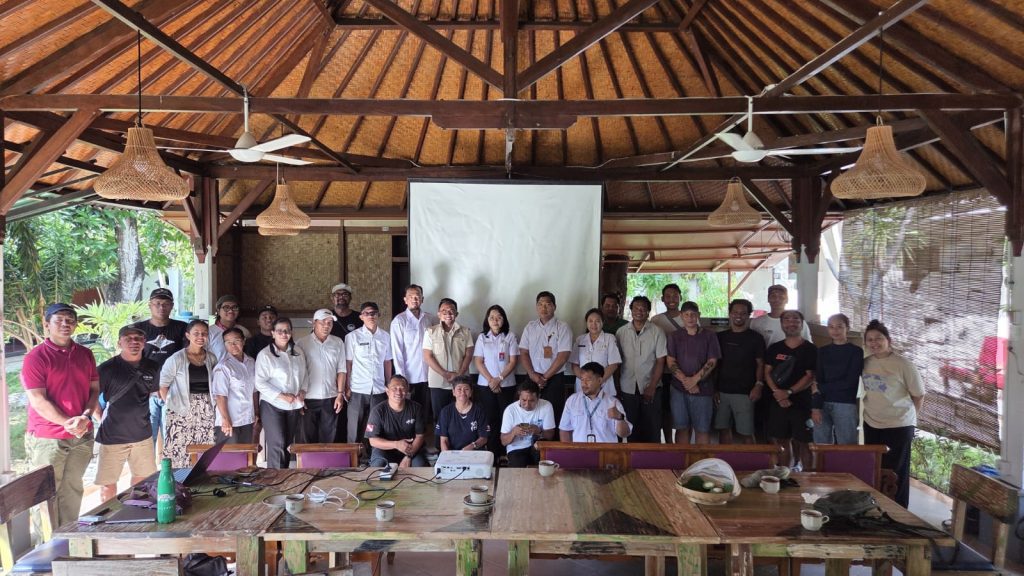
The second kick-off meeting in Nusa Penida brought together 32 participants representing provincial and regency government agencies, village leaders, marine tourism associations, conservation organizations, and community groups, including the Nusa Penida Dive Operators Association (P2NP), the Lembongan Marine Association (LMA), the Indo Ocean Project, and the Marine Megafauna Foundation. Rather than simply introducing the program, the meeting became an important forum for stakeholders to discuss practical challenges and to identify implementation priorities.
One of the central discussions focused on implementing tourism carrying capacity to ensure visitor numbers stay within levels that protect marine ecosystems while supporting local livelihoods. Participants emphasized that carrying capacity should be grounded in scientific evidence while remaining practical for tourism operators. They also stressed the importance of applying the system fairly across all tourism businesses, including those operating outside Nusa Penida, to create a level playing field and facilitate effective implementation.
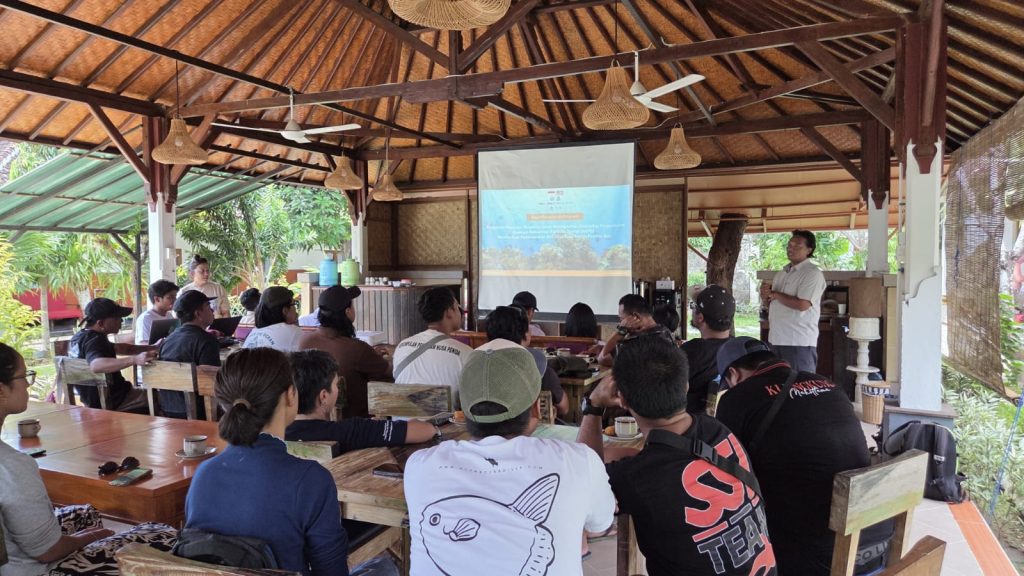
Participants also stressed the need to strengthen responsible marine tourism practices. They called for better training, clearer SOPs, and stronger safety standards for marine tourism, including vessel operations and visitor briefings. Additionally, there was consensus to update the Code of Conduct for interactions with manta rays and ocean sunfish, based on scientific recommendations and stakeholder input. Participants agreed that well-trained operators and consistent guidance for visitors would help reduce pressure on marine ecosystems while improving the quality and safety of tourism experiences.
The meeting emphasized the need for stronger governance and collaboration to support long-term conservation outcomes. Stakeholders discussed improving compliance with zoning regulations, strengthening enforcement mechanisms, and increasing coordination among government agencies, MPA managers, tourism associations, and local communities. Participants agreed that continued dialogue and collective decision-making are crucial to balancing environmental protection with the economic benefits of marine tourism, ensuring the long-term sustainability of Nusa Penida’s MPA.
The discussions concluded with broad support for continuing collaboration through follow-up meetings and technical working groups. The participants identified five priorities: refining visitor carrying capacity recommendations, updating the Code of Conduct for manta ray and ocean sunfish interactions, expanding education and certification programs for tourism operators, strengthening engagement with operators based in Denpasar, and compiling recommendations for consideration by relevant government agencies.
Through the TFCCA program, CTC and its partners aim to transform lessons learned from Nusa Penida into practical approaches that can be replicated in marine protected areas across Indonesia. By combining science-based management, stakeholder collaboration, and community engagement, the initiative seeks to strengthen MPA effectiveness while ensuring that marine tourism continues to provide lasting benefits for coastal communities and marine biodiversity alike.
Writer: Asia Salsabilla, Tabitha Rudang
Photos: Tabitha Rudang/CTC, Dekta/CTC, Evi Ihsan/CTC