
Resource Use Monitoring Supports Sustainable Marine Management in Maluku
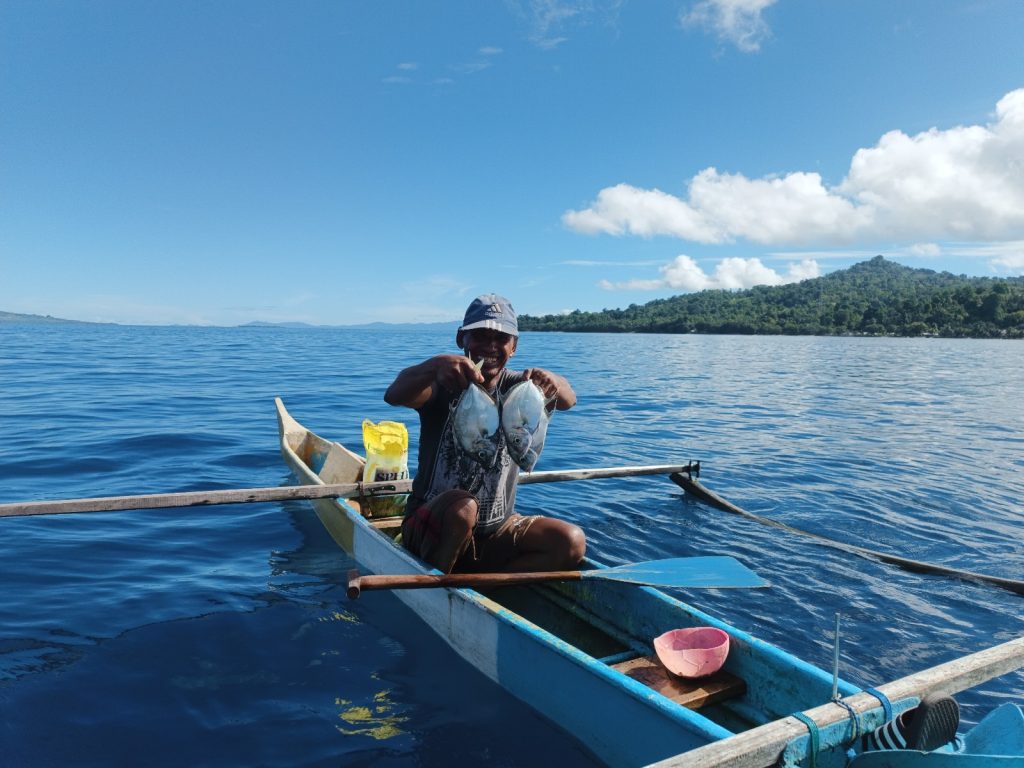
As part of ongoing efforts to support effective marine conservation management, the Coral Triangle Center (CTC) collaborated with government agencies, community groups, and local partners to conduct Resource Utilization Monitoring (RUM) and surveillance activities in the Lease Islands and Banda Islands during April and May 2026. These activities help track how marine and coastal resources are being used within conservation areas while ensuring compliance with existing regulations and management measures.
On April 29, 2026, CTC collaborated with the Marine and Fisheries Branch Office (Cluster VII), conducted surveillance and RUM in the Lease Islands MPA. The activity involved representatives from the Maluku Province Marine and Fisheries Agency, Community Surveillance Groups (Pokmaswas), Kewang (customary surveillance units), highlighting the importance of collaboration between government institutions and local communities in protecting marine resources.
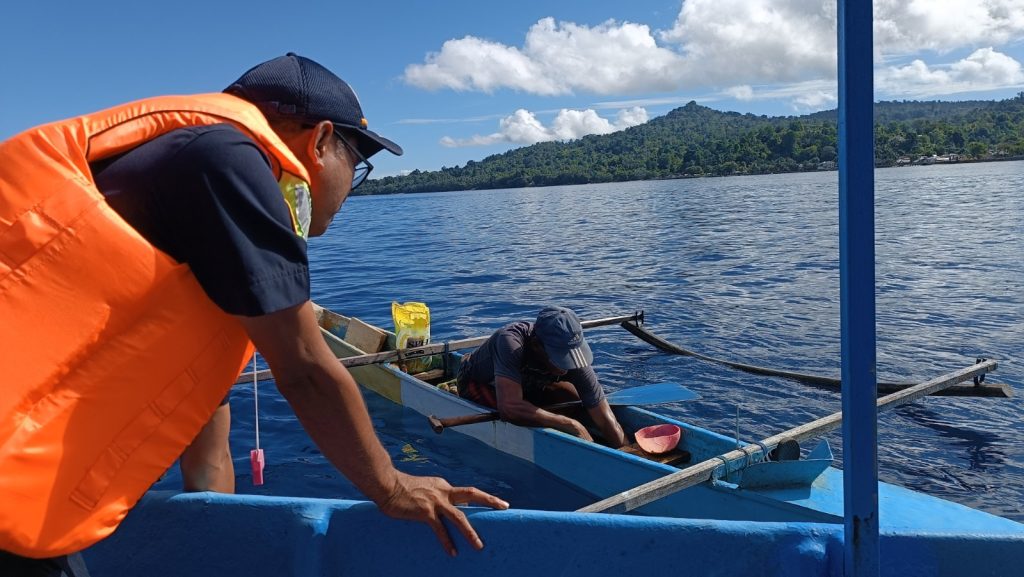
The team documented 29 resource-use activities, consisting of 11 mobile uses, mainly fishing, and 18 fixed uses, including six floating net cages and 12 fish aggregating devices (FADs). All resource users were found to be operating in accordance with conservation area regulations, with no violations recorded.
A similar monitoring effort was conducted on May 30, 2026, in Ay-Rhun MPA and the Banda Sea Marine Tourism Park, with CTC collaborating alongside the Marine and Fisheries Branch Office (Cluster VI),the Kupang Marine Management Agency – Banda Service Unit, the Ay Island Village Military Officer (Babinsa), the Rhun Island Community Police Officer (Bhabinkamtibmas), the Marine and Air Police Unit (Polairud) Banda,the Indonesian Navy post in Banda, the Banda Marine and Fisheries Resources Surveillance (PSDKP) Forum, and the Banda Subdistrict Office.
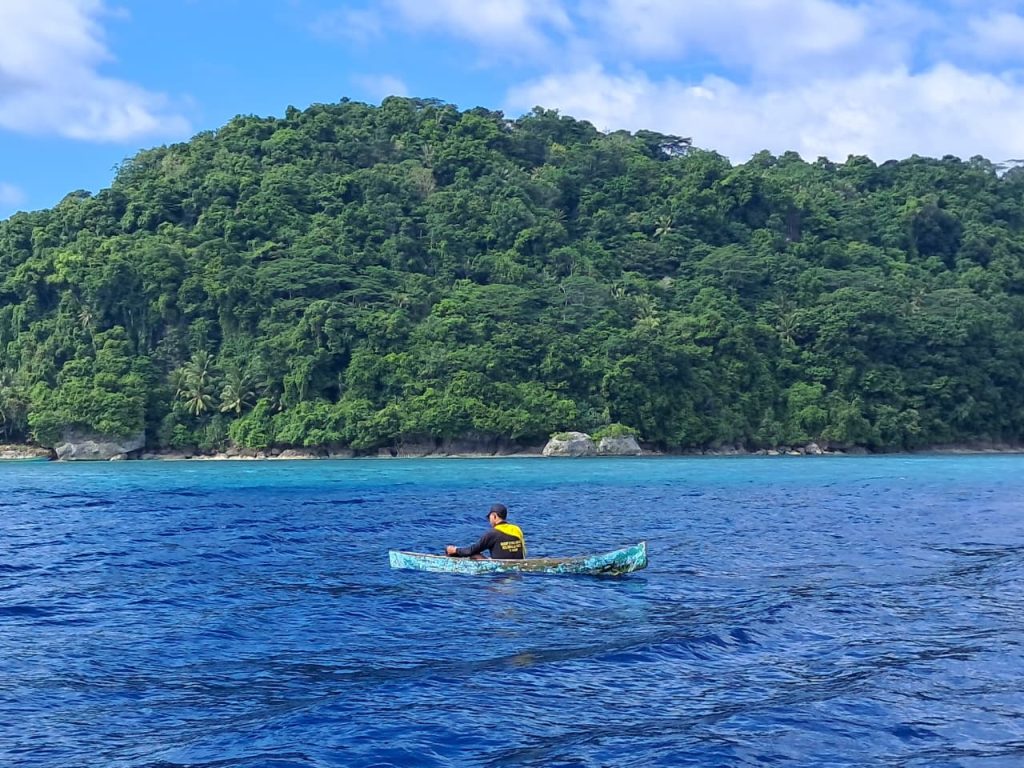
The team recorded a total of 13 resource-use activities. Eight mobile uses were recorded, consisting of five bottom-handline fishing operations, and three tourism activities. Fixed structures totaled 5, including three fish aggregating devices (FADs) and two vessel mooring buoys. Fish catches were dominated by demersal species, with the majority of resource users being fishers from Pulau Rhun. Weather conditions during the activity were generally clear with moderate sea swells. No violations were identified during the monitoring and surveillance activity.
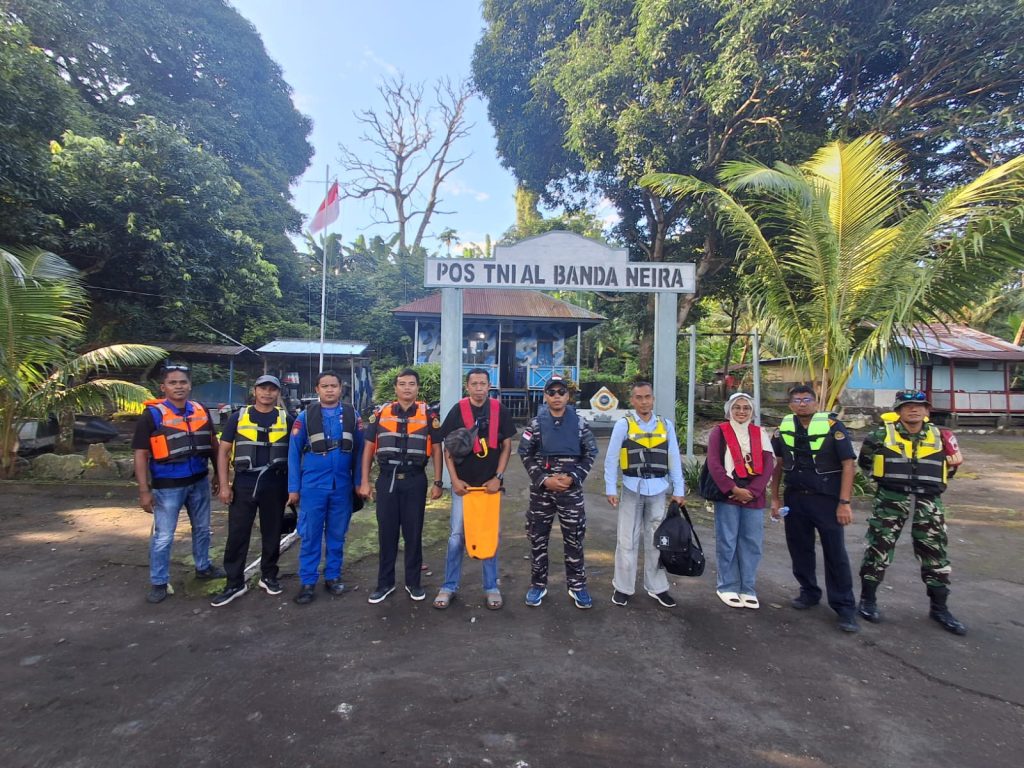
Across both sites, these monitoring activities provided valuable insights into resource-use patterns while confirming strong compliance with conservation regulations. The results also underscore the effectiveness of collaboration among government agencies, local communities, and conservation partners in supporting sustainable marine resource management. Through continued RUM efforts, CTC and its partners are helping strengthen the long-term protection and sustainable use of marine resources across Maluku’s conservation areas.
Writer: Megan Alexis
Photos: Gerald Istia/CTC, Soraya/CTC, La Ode Junaidin/CTC