
Stronger Community Stewardship Advances Management of Atauro Island Marine Protected Area
In mid-May, the Coral Triangle Center (CTC) conducted a five-day program on Atauro Island Marine Protected Area (MPA). The program was designed around three components central to keeping the MPA operational: community understanding of the zonation system, maintenance of physical boundary markers, and collaborative patrols.
In collaboration with the Ministry of Agriculture, Livestock, Fisheries, and Forestry (MALFF), the local NGO Roman Luan, the Atauro Authority, the Village Chief of Vila Maumeta, the Atauro MPA Management Unit, and M&E CTI-CFF Timor-Leste, the initiative brought together local communities, government agencies, traditional authorities, and conservation partners to strengthen the long-term management of the 13,352.22-hectare Atauro Island MPA.
Atauro Island MPA sits within one of the most biodiverse marine regions in the world and has long been recognized for the ecological value of its reefs. The Atauro Island MPA was established to manage human use of these waters in a way that allows fish populations and reef ecosystems to recover and remain productive. The MPA is organized into five zone types with different levels of access and restriction: a core (no-take) zone, a marine tourism zone, a temporary protection area, a sustainable fisheries zone, and an aquaculture zone. For this system to work effectively, communities that live and fish around the island need to understand the zones, where they begin and end, and the rules that apply in each zone.
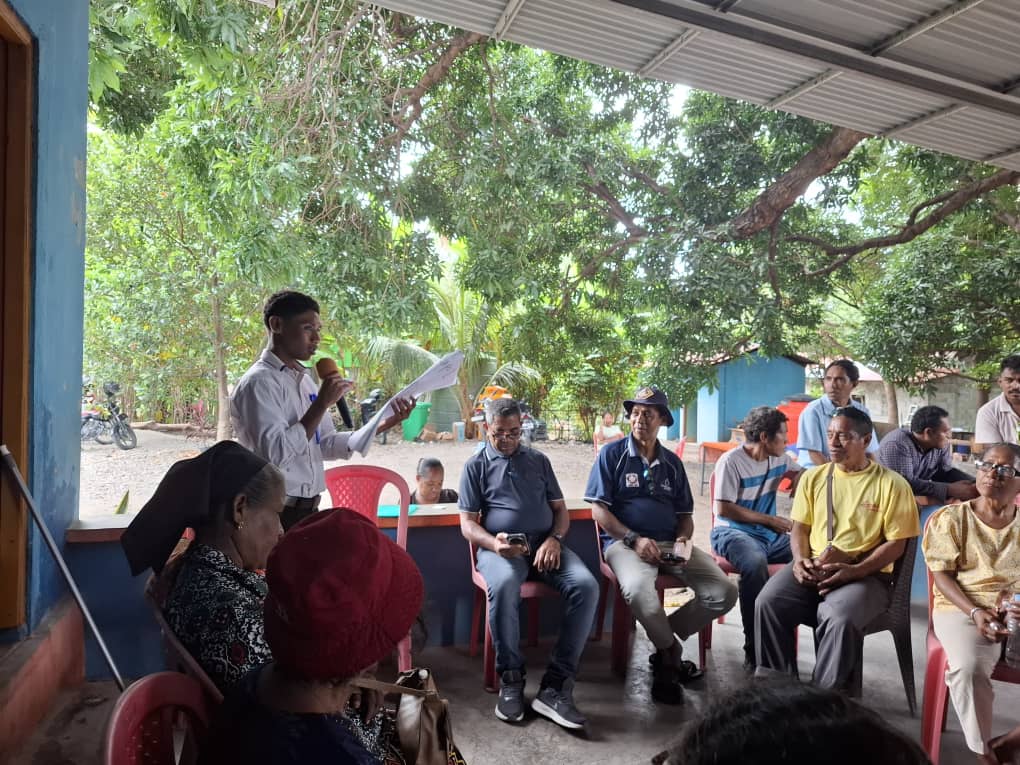
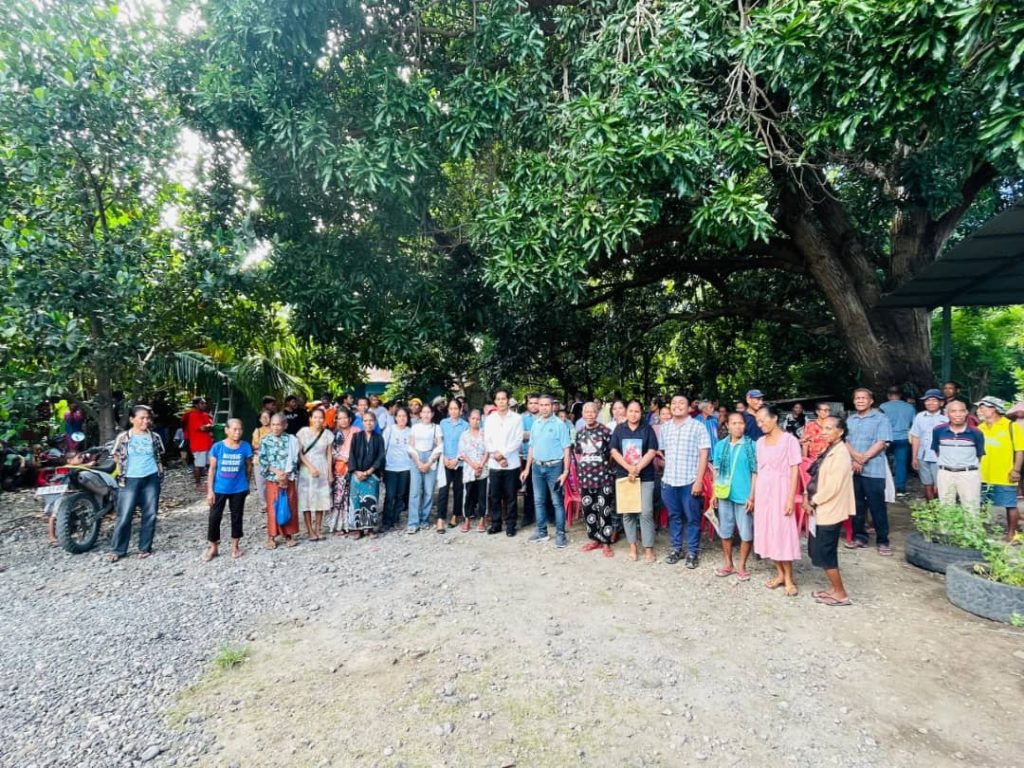
On May 11–13, CTC and its partners conducted a three-day socialization program in the Vila Maumeta Zone, engaging 162 participants, including fishers, community members, village leaders, women’s and youth groups, and government representatives. The sessions focused on strengthening understanding of the MPA’s zonation system and regulations while creating opportunities for dialogue between communities and management authorities Mr. Jose Monteiro from MALFF gave a clear presentation on the government’s policy commitments to marine conservation; Mr. Marcelo Belo from Roman Luan addressed the role of local coordination among communities and institutions.
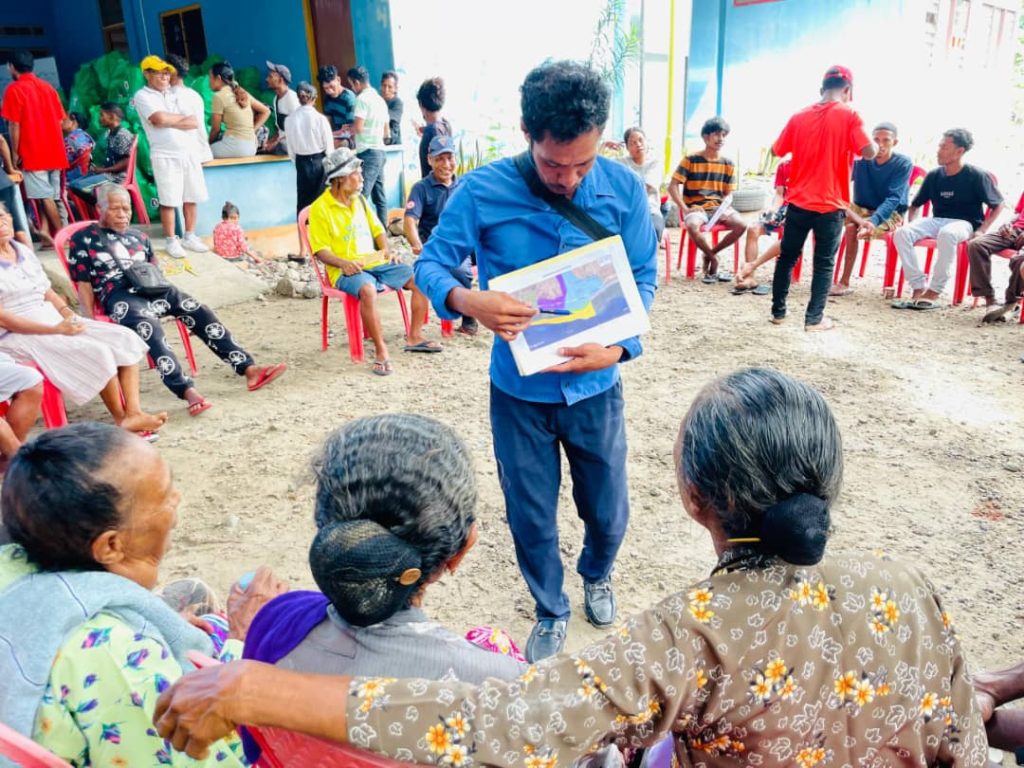
CTC’s Egidio Boavida also shared the results of the most recent reef health monitoring survey conducted in Atauro Island MPA and explained how scientific data informs management decisions within the MPA. Providing communities with access to reef health information helps build understanding of the ecological conditions that zoning measures are designed to protect and restore.
Participants then broke into smaller working groups to raise questions and share recommendations for the Vila Maumeta Zone. Community members described the sessions as a useful reminder of both the rules and the conservation rationale behind them, including the connection between healthy reefs and long-term fishing livelihoods.
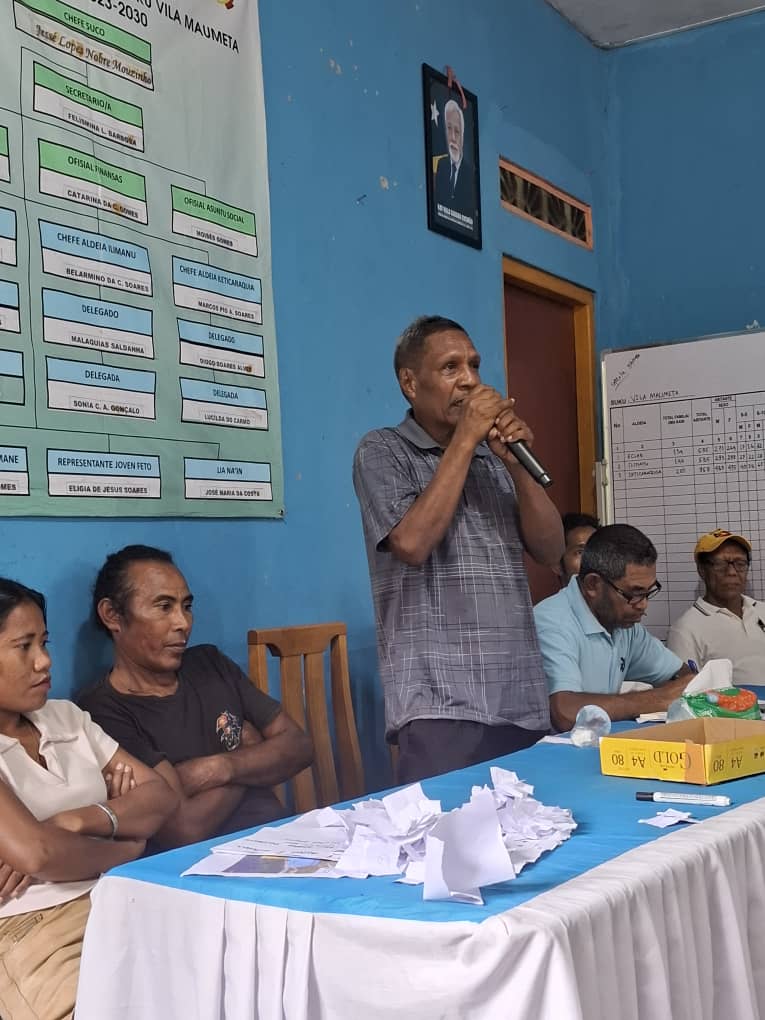
On May 14, 151 community members gathered for a governance and maintenance day in Vila Maumeta. The session opened with a community process to elect a management team for the Vila Maumeta Tara Bandu Zone. Tara Bandu is a traditional Timorese system of customary rules that regulates the use of natural resources and promotes collective responsibility for environmental stewardship.
The newly selected management team comprises Mr. Simao Cabeca as Person in Charge, Ms. Joana Ximenes as Deputy, and Mr. Malianus Salmon as Secretary. The process places management responsibilities in the hands of locally selected representatives, strengthens local accountability and ownership, and creates a strong foundation for maintaining community engagement with the MPA between formal program activities.
Following the governance session, teams conducted a site assessment of the existing zonation boundary markers and carried out maintenance on those found to be degraded or unclear, both on land and underwater. The markers play a practical role. They allow fishers, dive operators, and patrol teams to identify zone boundaries in the field. Without them, the zoning map exists mainly on paper.
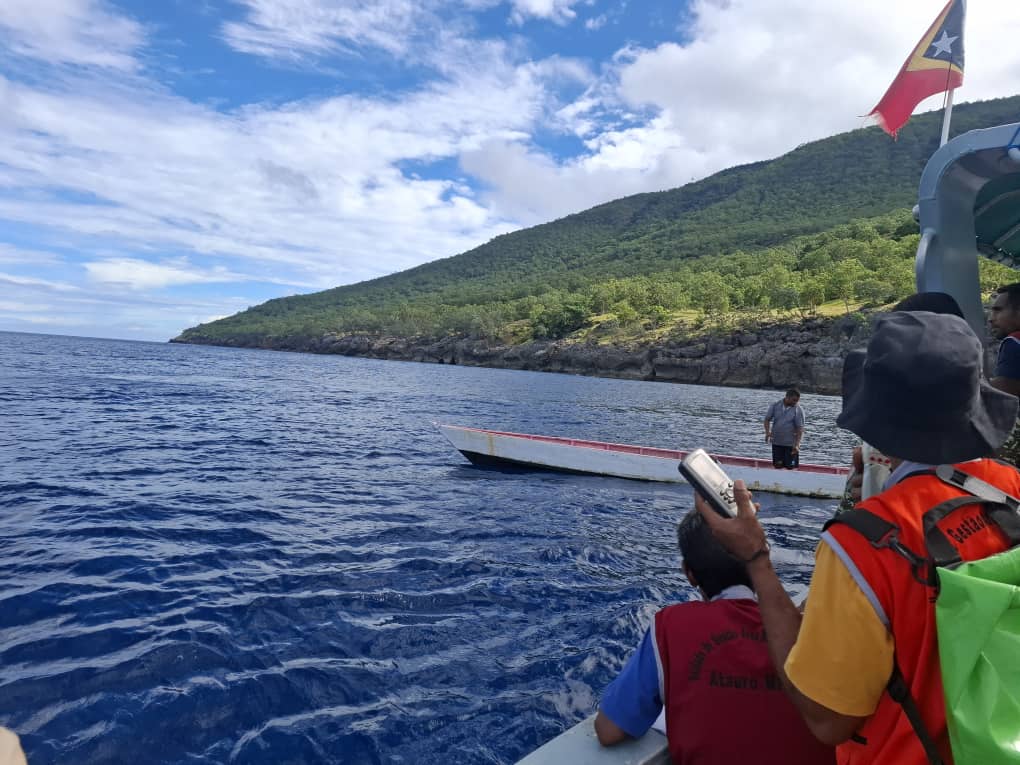
On the last day, May 15, a joint patrol team of 13 people conducted a Resource Utilization Monitoring (RUM) operation by speedboat, covering strategic points around Atauro Island MPA. The team brought together representatives from CTC, MALFF, the Atauro MPA Management Unit, the Atauro Administrative Authority, F-FDTL, and the Maritime Police of Atauro. The inclusion of maritime law enforcement alongside conservation and community representatives reflects the multi-agency coordination that underpins enforcement in the area.
Four groups were found operating within the MPA during the patrol. No violations were recorded across any of the five zones. Several fishers and tourists encountered during the patrol mentioned that fish catches and reef visibility have improved since the MPA was established.
“CTC is committed to continuing its collaboration with stakeholders in Atauro Island MPA to support MPA management, including monitoring and surveillance, community strengthening, capacity building, and sustainable financing.” said Marthen Welly, CTC Senior Marine Conservation Adviser.
The outcomes reflect growing local ownership of the Atauro Island MPA and a stronger foundation for long-term conservation. Through continued awareness-raising, community engagement, monitoring, and collaborative management, Atauro’s communities are increasingly playing an active role in protecting marine biodiversity while supporting sustainable livelihoods for future generations.
Following the program, CTC and its partners identified a set of next steps: extending socialization activities to other communities within the Atauro Island MPA; continuing reef health monitoring and sharing results with local stakeholders; establishing community-based monitoring and reporting systems; and providing ongoing capacity support for the local management teams responsible for day-to-day governance of the zones. The program in Vila Maumeta is an important part of a longer-term process to build local stewardship and institutional capacity that sustainable MPA management requires.
Writers: Jaling Sim, Marthen Welly, Egidio Boavida
Photos: Egidio Boavida/CTC