
Strengthening Regional Partnerships for Stronger Conservation Action in the Coral Triangle

The Coral Triangle Center (CTC) hosted a strategic meeting with the Coral Triangle Initiative on Coral Reefs, Fisheries, and Food Security (CTI-CFF) Regional Secretariat and key development partners from February 4–6, 2026 at the Center for Marine Conservation in Sanur, Bali. The meeting brought together representatives from CTC, the World Wide Fund for Nature (WWF), and Deutsche Gesellschaft für Internationale Zusammenarbeit (GIZ) to strengthen coordination and advance the implementation of the CTI-CFF Regional Plan of Action (RPoA) 2.0.
The Coral Triangle Initiative on Coral Reefs, Fisheries, and Food Security (CTI-CFF) is a multilateral partnership of six Coral Triangle countries -Indonesia, Malaysia, Papua New Guinea, Philippines, Solomon Islands, and Timor-Leste – working together to sustain extraordinary marine and coastal resources by addressing crucial issues such as food security, climate change, and marine biodiversity.

Held in follow-up to decisions from the 20th CTI-CFF Senior Officials Meeting in Bali in December 2025, the meeting aimed to align partner commitments with regional priorities while reinforcing CTI-CFF’s institutional mechanisms. Discussions focused on key areas such as capacity building, governance, regional planning, and monitoring, evaluation, and learning, alongside budgeting and cross-cutting themes. Participants also addressed preparations for major upcoming events, including the proposed second CTI-CFF Leaders’ Summit to be held in conjunction with the Ocean Impact Summit 2026 in Bali on June 8–9, 2026.
The first day featured an update from the Regional Secretariat on progress under RPoA 2.0, drawing on country and partner reports from previous Senior Officials’ Meetings in Dili (2024) and Bali (2025). Discussions also highlighted the CTI-CFF Capacity Building Roadmap, now entering its third year since its endorsement in 2023. The roadmap is advancing a regional knowledge repository and fostering networks among marine protected area managers, community organizations, and youth leaders.

On the second day, partners reviewed the workplans and budgets of the CTI-CFF Technical Working Groups (TWGs) for 2026. Participants discussed the evolution of the TWGs, noting that their current structure was originally designed to support RPoA 1.0. With RPoA 2.0 introducing new priorities—particularly improving resilience and livelihoods—there was consensus on the need to refine the working group structure and strengthen alignment with emerging regional priorities. Discussions also addressed the development of CTI-CFF Priority Seascapes and resource needs for planned activities.
The final day focused on strengthening communication and coordination for upcoming regional initiatives. Partners emphasized the importance of developing a comprehensive communications plan to support CTI-CFF’s growing portfolio of activities and events.
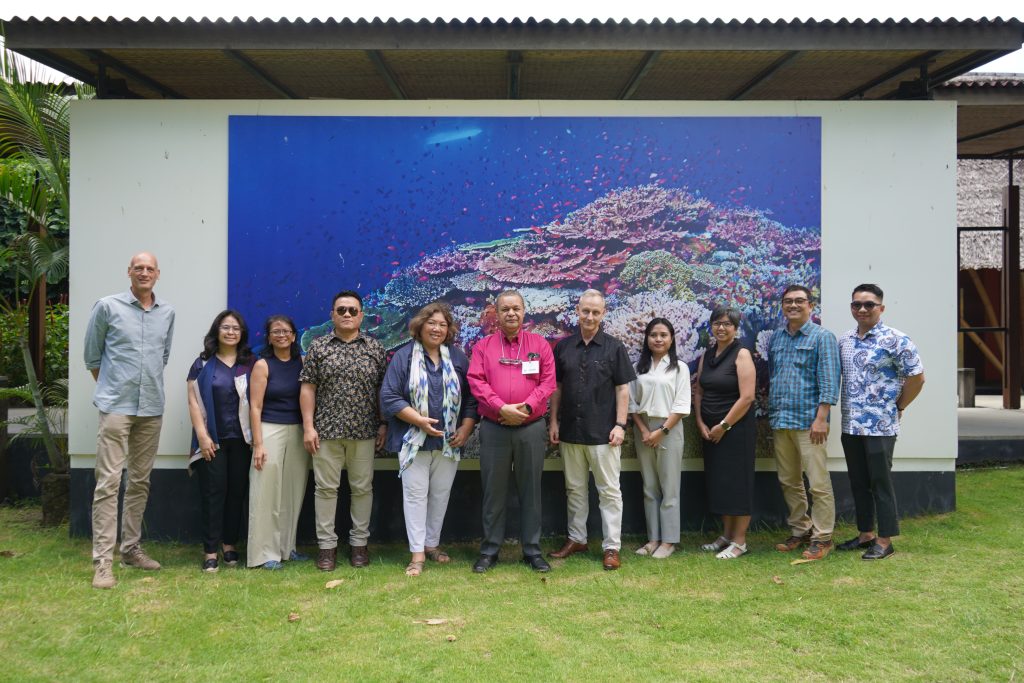
Overall, the meeting underscored a shared commitment among partners to translate RPoA 2.0 into coordinated actions. By strengthening institutional capacity, enhancing collaboration across initiatives, and aligning regional priorities, CTI-CFF and its partners continue to advance sustainable marine and coastal management across the Coral Triangle.
Photos: Kayla Azzahra/CTC, Robert Delfs