
How Maluku’s Youth and Women Are Becoming the Next Generation of Ocean Stewards
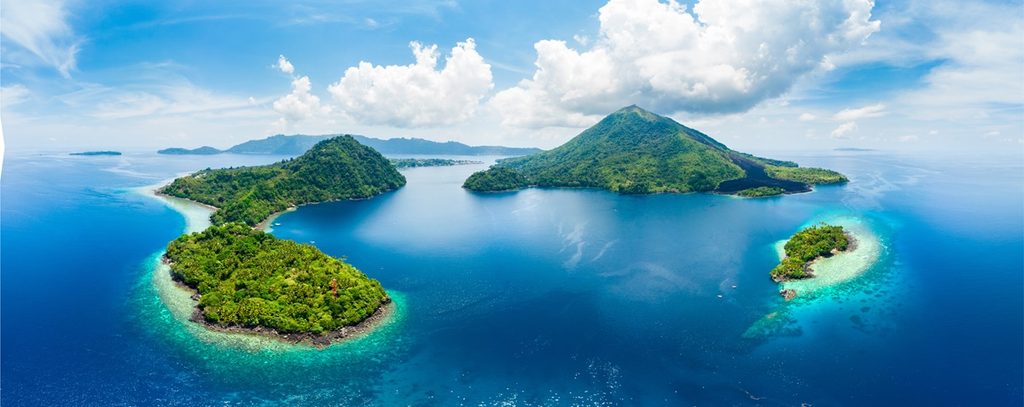
Across the hundred of small islands in the Maluku Province, local communities rely on healthy marine ecosystems to sustain their livelihoods and heritage. Throughout July and August 2026, Coral Triangle Center (CTC) partnered with government and local partners in the Banda and Lease Islands to deepen local stewardship through hands-on training.
From July 30 to August 1, CTC and the Kupang Marine Management Agency – Banda Service Unit hosted a three-day MPA 101 Training for women and youth from five target villages: Lonthoir, Selamon, Kampung Baru, Tanah Rata, and Rajawali, alongside MPA managers and academia.
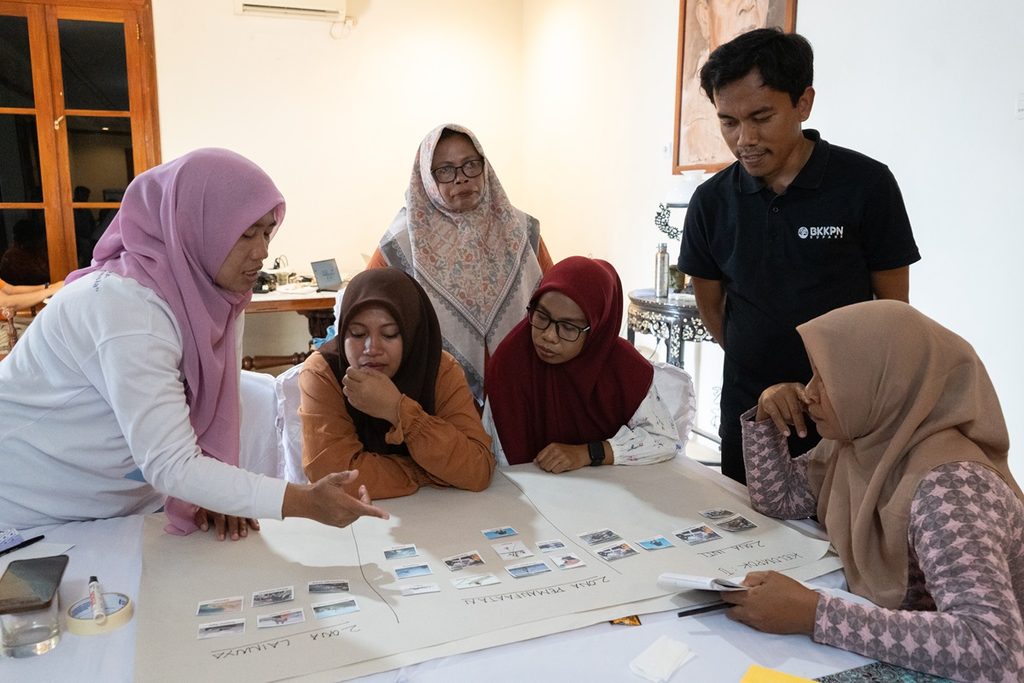
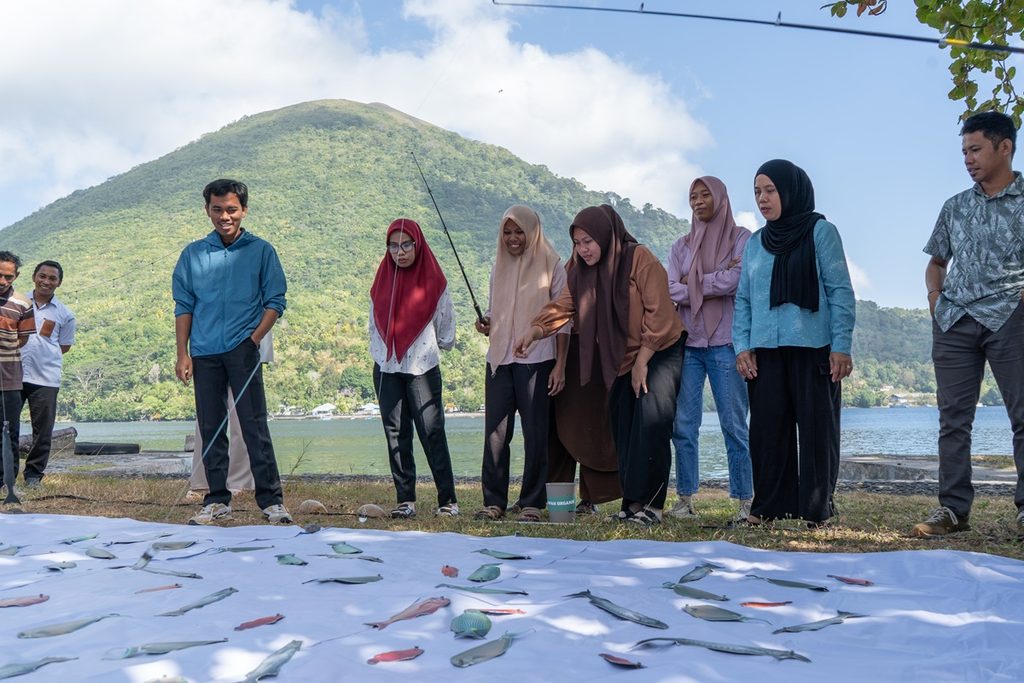
The training introduced participants to key concepts related to marine conservation and the role of MPAs in supporting healthy ecosystems and community well-being. Through discussions and interactive learning, participants explored topics including coastal ecosystem ecology, fish ecology and fisheries management, the fundamentals of MPAs, sustainable tourism and ecotourism, Gender Equality and Social Inclusion (GESI), and CTC’s Grievance Mechanism.
The participants mapped out the traits of local coral reefs, mangroves, seagrass beds, and coastal forests. They learned how fish depend on these habitats throughout their life cycles and studied how MPA zoning creates fish spillover in surrounding areas. To put the concepts into practice, they designed their own basic conservation areas, evaluated local ecotourism opportunities and practiced raising community concerns using a grievance mechanism established by CTC.
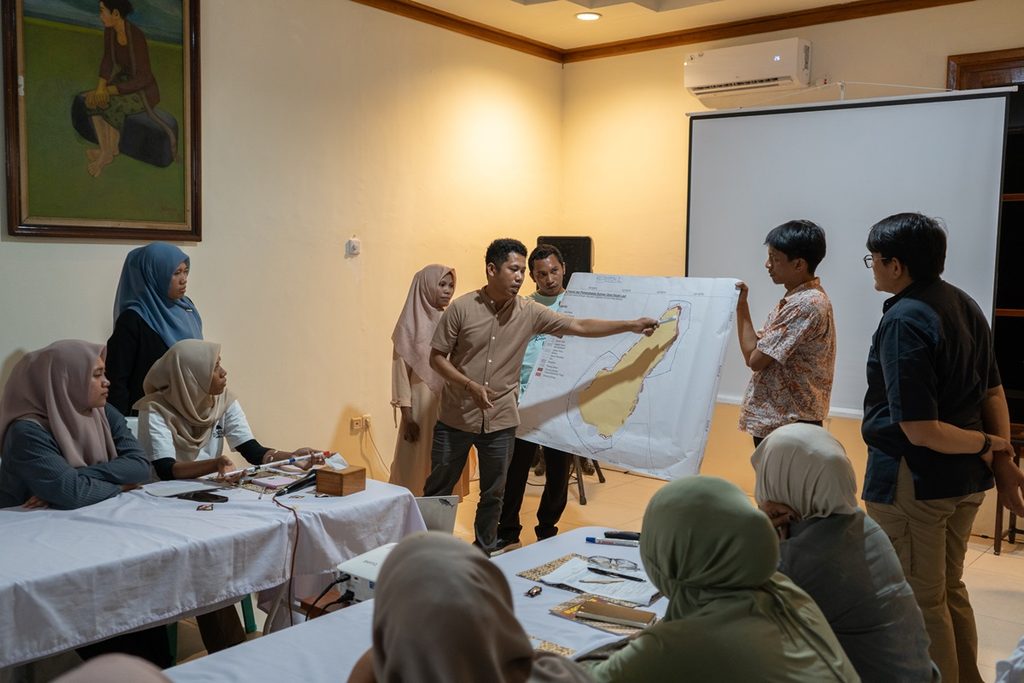
“By increasing community’s knowledge about ecosystems, the importance of healthy ecosystems, MPAs, and the benefits they provide, we hope that after the training, community members who participated will become advocates for conservation and help promote conservation efforts within their communities,” said Jamaludin of the Kupang Marine Management Agency – Banda Service Unit.
In August, CTC expanded these efforts to Saparua in the Lease Islands MPA, in collaboration with the Maluku Marine and Fisheries Branch Office Cluster VII and Yayasan Toma Majo Lease. The team visited two high schools, SMK Negeri 2 Maluku Tengah and SMA Negeri 7 Maluku Tengah. The students learned and later quizzed on coastal ecosystems, endangered species, and the neighboring Lease Islands MPA.
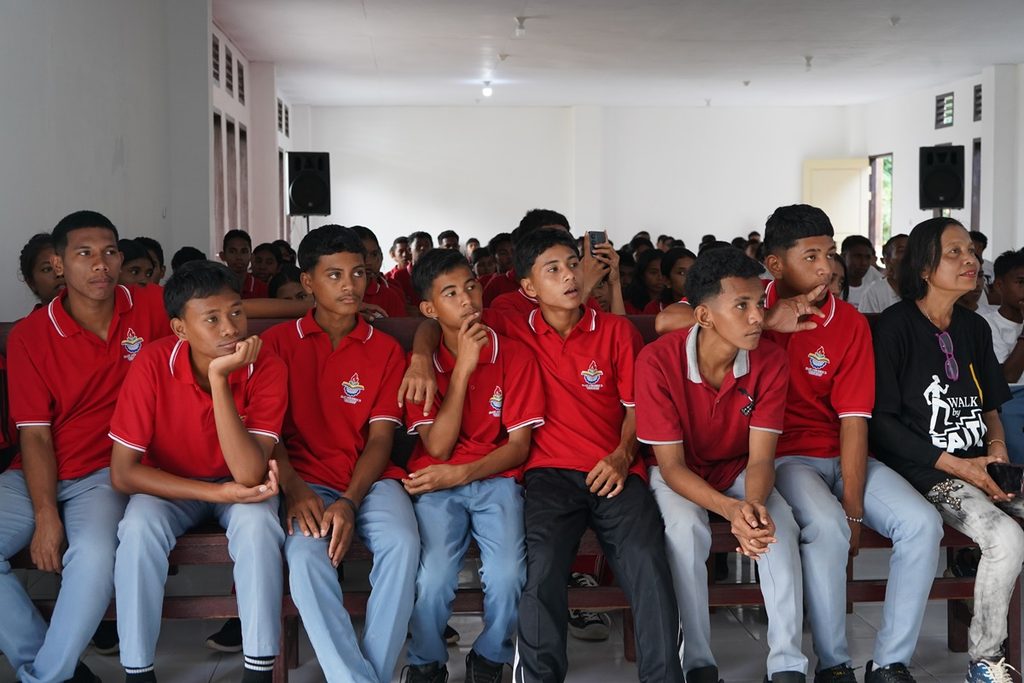
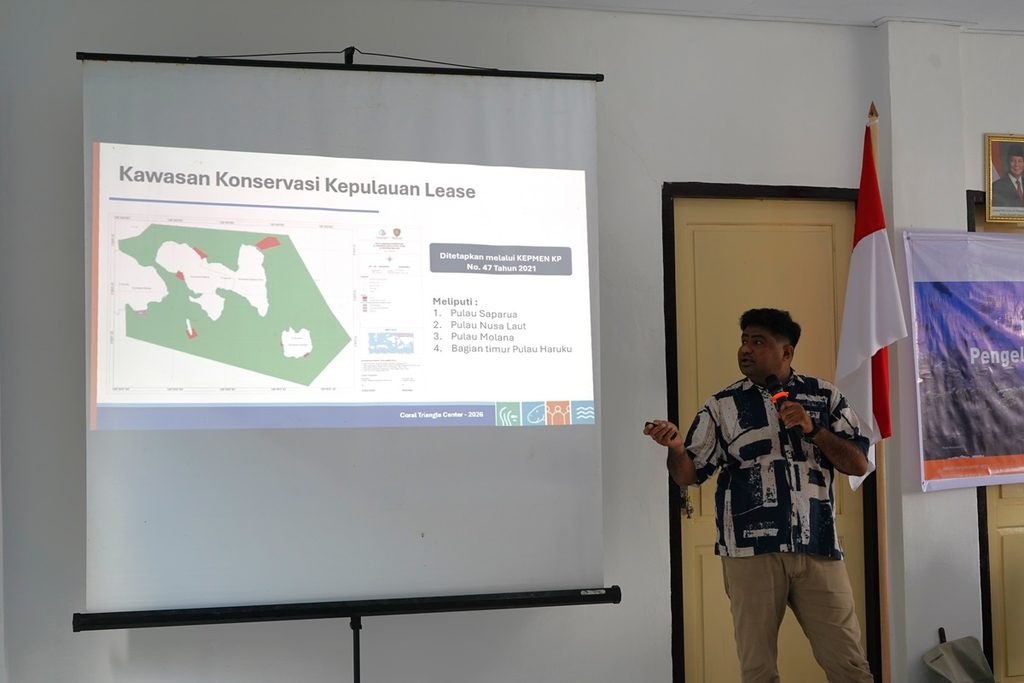
During the activities, CTC highlighted the importance of coastal and marine ecosystems, the protection of Endangered, Threatened, and Protected (ETP) species, MPAs, and community-based management.
The students examined how formal MPA management works alongside local and customary approaches like Sasi, which has long been practiced on nearby Haruku Island.
The lesson hit home when an underwater video of local marine life was screened. The students gasped with excited “wow” as footage of dugongs, animals that swim in the waters right near their schools, appeared on the screen.
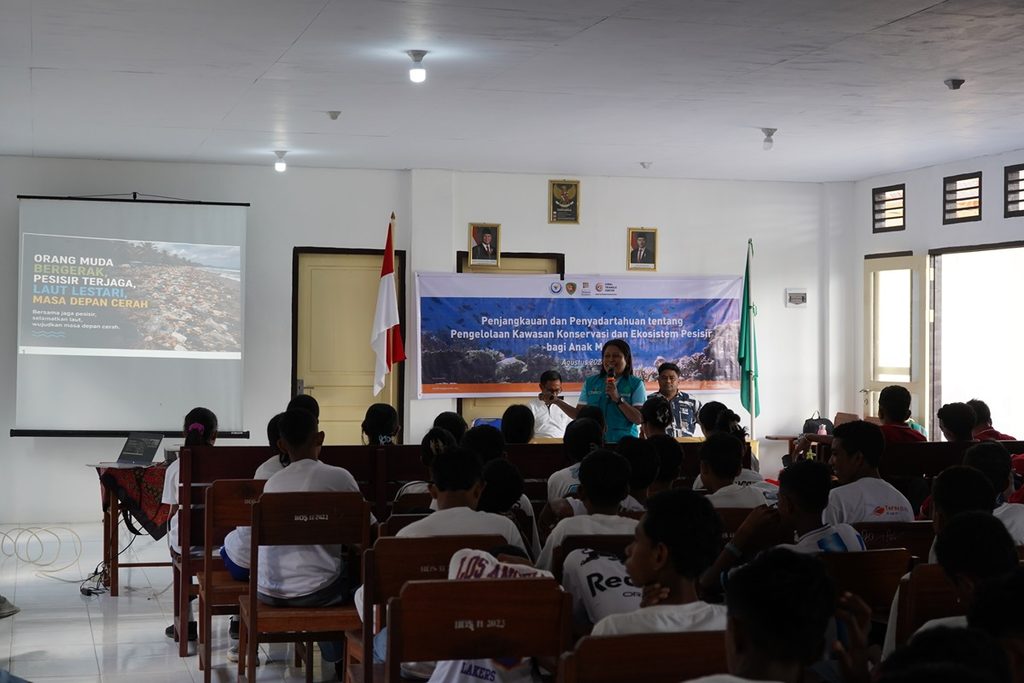
One of CTC’s local partners, Yayasan Toma Majo Lease, also gave a presentation on the plastic pollution problem and the relationship between everyday choices and their effects on our surroundings. Students were encouraged to reflect on how their actions can contribute to healthier coastal environments in their surroundings.
By bringing marine science and conservation out of policy documents and placing them directly in the hands of local women and youth, , these programs turn communities across Maluku into active leaders in protecting the marine resources that support their livelihoods.
Writer: Megan Alexis
Photos: Megan Alexis/CTC, Shutterstock, Kele Project