
Building the Foundation for Two Expanded Marine Protected Areas in Timor-Leste

Expanding a Marine Protected Area (MPA) is more than just defining new boundaries. It requires a thorough understanding of both marine ecosystems and the communities that depend on them.
To support the expansion of the Manufahi MPA into Natarbora and the Metinaro MPA into Ilimano, the Coral Triangle Center (CTC) conducted a Marine Rapid Assessment (MRA) from June 14 to 24, 2026.
The 11-day assessment generated one of the most comprehensive baseline datasets currently available for the two proposed MPAs. Bringing together ecological, fisheries, and community insights, these findings will directly support MPA zoning, marine spatial planning, biodiversity monitoring, stakeholder consultations, and evidence-based policy development in Timor-Leste.

The assessment combined two survey teams: one tracking reef health, marine biodiversity, and key habitats; the other capturing the fishing grounds and livelihoods that sustain coastal communities. By integrating scientific evidence with local ecological knowledge, the MRA grounds future conservation planning in both environmental priorities and community needs.
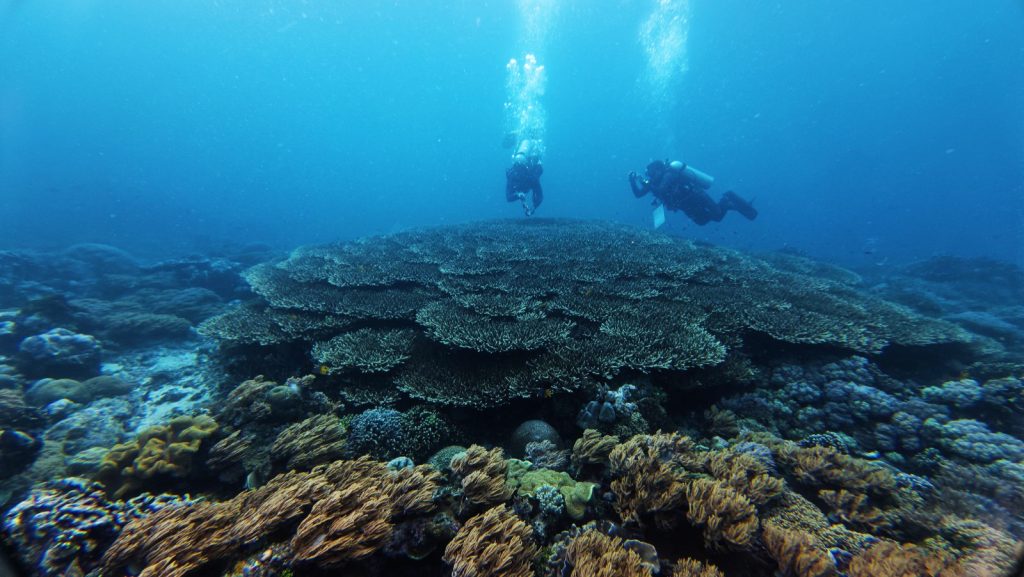
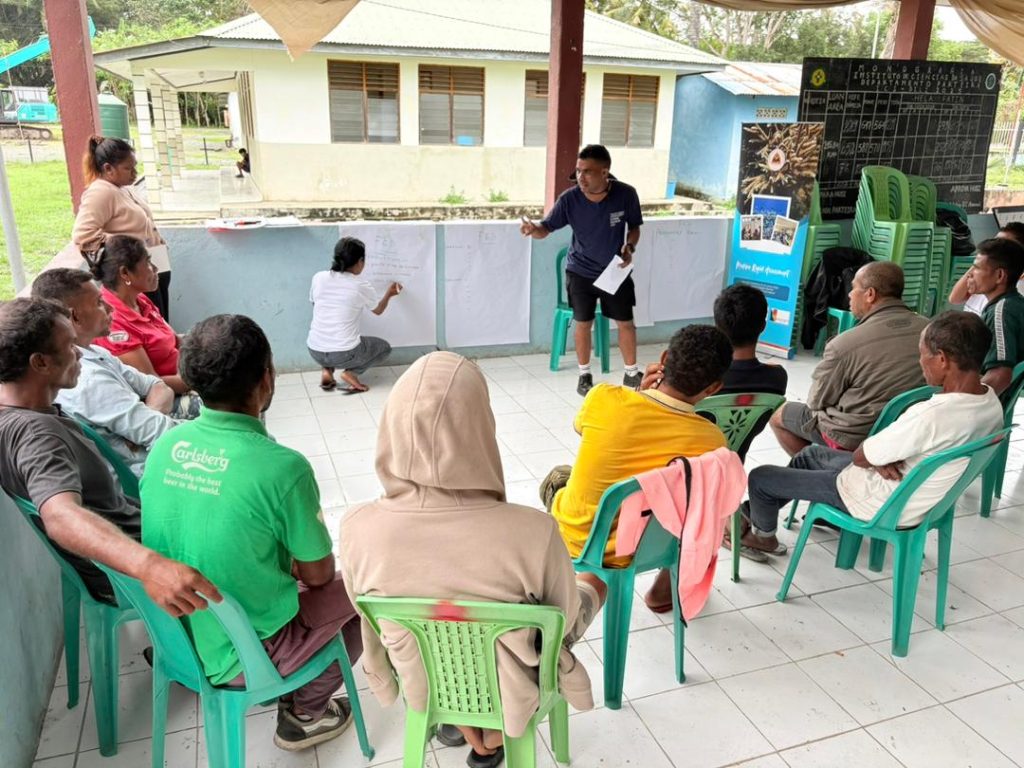
The biophysical team completed three dives in Manufahi and five dives in Metinaro–Ilimano, ran more than 20 kilometers of manta-tow surveys, and carried out surface boat observations in Natarbora. They examined coral reef health, benthic composition, reef fish communities, and coastal habitats. Complementing this work, the socio-economic team engaged 162 respondents through semi-structured interviews, focus group discussions, and participatory mapping to document fisheries activities, customary marine management, local livelihoods, community perceptions, and important fishing grounds and coastal resources.
CTC worked alongside national and municipal government agencies, university partners, local NGOs, traditional leaders (Lia-na’in), fishers, and coastal communities throughout the survey. Community members guided the team to customary management areas, culturally significant sites, tourism locations, and environmental threats. Their local knowledge strengthened the assessment, built local ownership of the proposed MPAs, and reinforced partnerships for future stakeholder consultations and marine management.
Field implementation also highlighted the importance of adaptive planning. Strong waves, currents, and underwater visibility below 2 meters along Timor-Leste’s south coast prevented the team from completing all planned dives in Manufahi. Despite these challenges, the survey team continuously reassessed progress, adjusted field plans, and maintained scientific standards while prioritizing diver safety through daily field briefings and debriefings.
More favorable conditions in Metinaro–Ilimano allowed the team to complete every planned survey and identify representative coral reef habitats for detailed assessment. During the survey, the team documented a deceased green sea turtle entangled in a ghost net—a grim reminder of how marine debris continues to threaten marine biodiversity.
Beyond producing scientific data, the MRA highlighted important lessons for future conservation efforts. Continuous coordination between the two survey teams improved field efficiency, while collaboration with government institutions and local communities reinforced long-term partnerships for marine conservation. The assessment also surfaced opportunities to strengthen scientific diving safety, logistical preparedness, and field coordination for future MRA and ecological monitoring programs.

The MRA marks an important milestone in Timor-Leste’s efforts to expand and strengthen its MPA network. By combining rigorous scientific assessments with community knowledge and strong stakeholder collaboration, the initiative lays a solid foundation for effective, community-supported MPAs that protect marine biodiversity while sustaining the livelihoods of coastal communities for generations to come.
Writers: Asia Salsabilla, Fidel Guterres, Andreas Muljiadi & Ernestina Barros
Photos: Wira Sanjaya/CTC, Cikal Qalnar/CTC