
Voices of the Sea: The Women of Gedongmulyo Tell Their Stories Through Photos
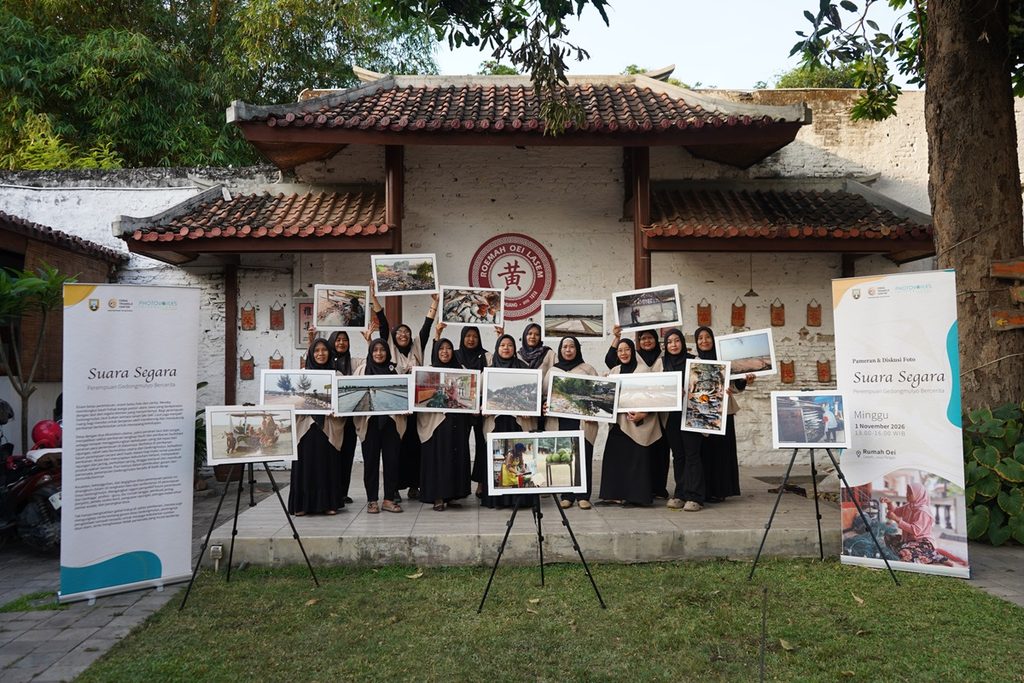
Through a collaboration between Coral Triangle Center (CTC) and Photovoices International (PVI), 16 women from Gedongmulyo Village, Lasem District, Rembang Regency, Central Java, shared their stories of life along Java’s northern coast through photographs capturing their village from their individual perspectives. Through their work, they reflected on everyday life as women from diverse professional and social backgrounds.
Their photographs were showcased at a photo exhibition and discussion titled “Suara Segara: Perempuan Gedongmulyo Bercerita Melalui Foto” (Voices of the Sea: The Women of Gedongmulyo Tell Their Stories Through Photography), held in Lasem on Sunday, 1 November.
The initiative was founded to provide women in fishing communities with a platform to document and communicate their perspectives and aspirations regarding the natural environment and the social, economic, and cultural conditions of their community. Their stories aim to reach their families, communities, stakeholders, and the wider public.
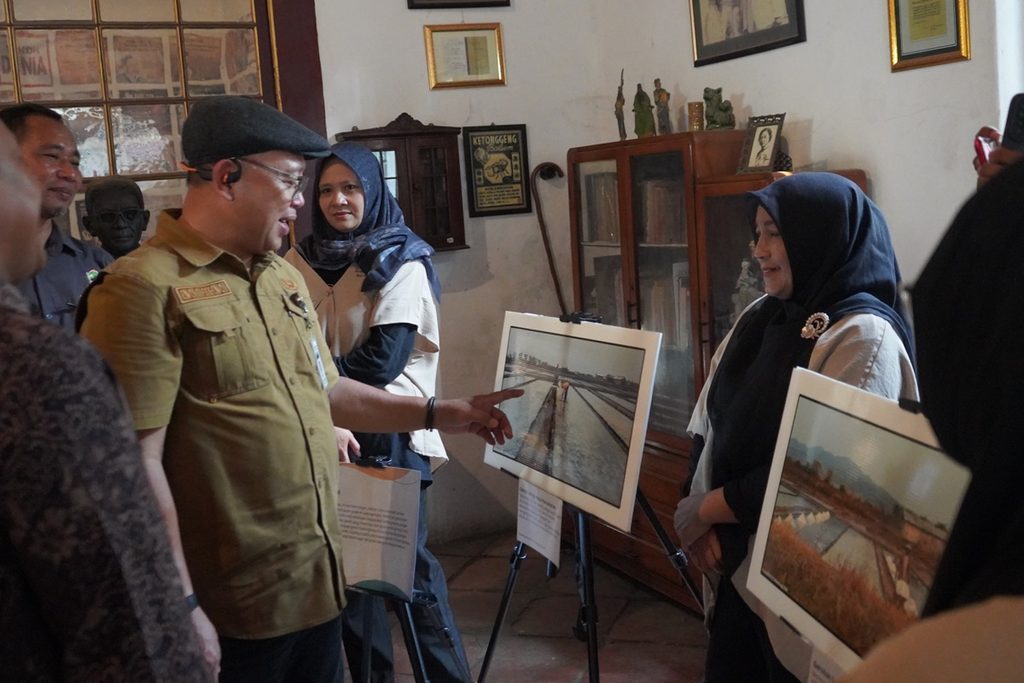
Since 2023, CTC has worked with women in Gedongmulyo Village through various training programs, including sustainable fisheries management and leadership development, to strengthen their capacities, skills, and roles in the sustainable management of marine resources.
“We believe that women’s knowledge, experiences, and leadership are essential to the sustainable management of marine resources. Our hope is that these women will continue to grow as leaders and changemakers, inspiring their communities and helping shape a more sustainable future for Gedongmulyo and the surrounding region,” said Rili Djohani, Executive Director of Coral Triangle Center.
All the 16 participants produced a compelling collection of photographs and stories highlighting four key themes that matter to them: marine fisheries, waste management, salt production, and tourism and mangrove ecosystems.
“What the women of Gedongmulyo have voiced has become valuable input for us. Through the photographs shared by these women, we will identify what interventions can be made. The women who have been prepared and supported by CTC-PVI are an incredible human resource. We will involve them as agents to help explain these issues to other residents of Gedongmulyo. After that, we hope this initiative can be replicated in other villages.” said Nurida Andante Islami, Head of the Rembang Regency Marine and Fisheries Agency.
Diverse Perspectives
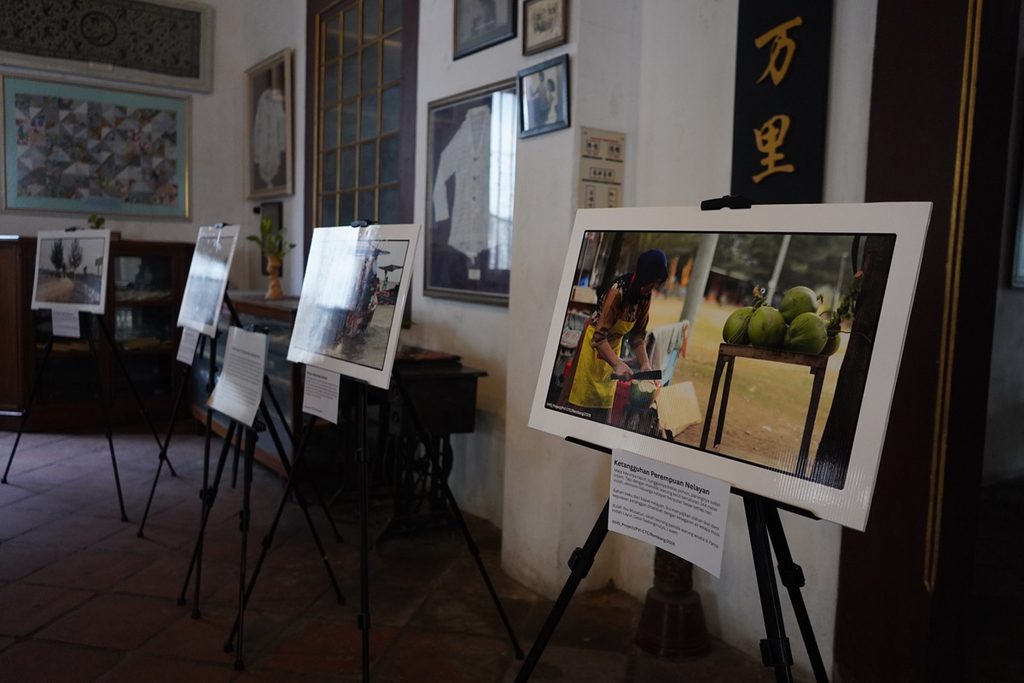
Housewives, teachers, small business owners, fishing-net makers, blue swimming crab pickers, beach-cleaning workers at a local tourist destination, and village officials came together to share their stories. Despite their different backgrounds, they share a common hope: to protect Gedongmulyo’s natural environment and sustain the well-being of the community.
Gedongmulyo is a coastal village with diverse natural resources, shaped by three surrounding ecosystems: marine waters, rivers, and mangroves. Known as a blue swimming crab fishing hub, the village has seen declining crab catches and smaller crab sizes. Other marine catches, including fish and squid, have also become a concern. Meanwhile, unstable selling prices have added to the economic uncertainty faced by residents.
“For communities in the fisheries, daily life depends on a single source of income: the catch from going out to sea. If we do not take care of the sea, from keeping it clean to using proper fishing gear and raising awareness among those who go out to sea, marine resources could eventually run out. What will happen to our children and grandchildren if we do not start taking care of the sea now? InsyaAllah, through photography, relevant parties will be able to learn about and understand our stories, provide solutions, and share the information that fishers need.” said Nur Chriswatun Nida, one of the participants in the Perempuan Gedongmulyo Bercerita Melalui Foto program.
Meanwhile, piles of waste accumulating at the river mouth contribute to sedimentation and pollution in both the river and the sea. This is particularly concerning because river water is also used in salt production in Gedongmulyo, and its quality directly affects the quality of the salt produced.
Salt-making has long been part of Gedongmulyo’s way of life, with the tradition passed down through generations. As global temperatures continue to rise, salt production has increased, yet selling prices have fallen, creating new economic challenges for local producers.
Tourism is also emerging as a potential source of income for the village. Coastal exploration and the surrounding mangrove forests offer opportunities to attract visitors, but these activities require sustainable management that respects the environment’s capacity to support tourism.
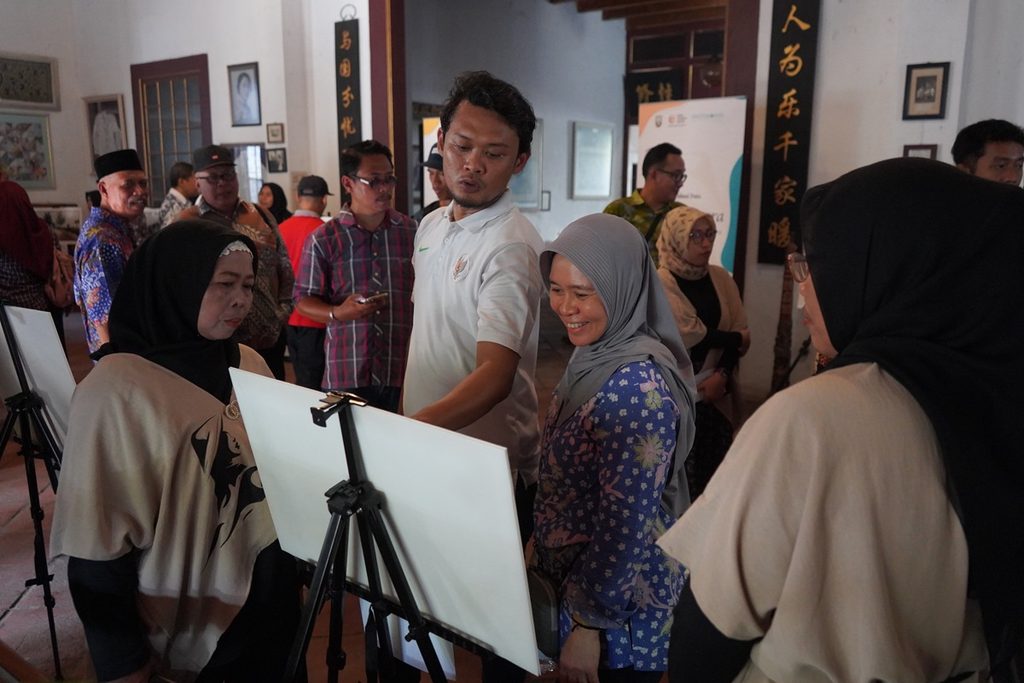
“Participatory photography is an approach that helps improve local communities’ knowledge and skills by using photography as a medium to communicate their experiences and perspectives. It also allows participants to learn how to identify issues and develop stories based on their own experiences. The photographs and stories produced through this program reflect the roles women play in their communities while highlighting the distinctive perseverance, resilience, and determination of women in coastal communities,” said Tri Soekirman, Executive Director of Photovoices International.
Writer: Kayla Azzahra
Photos: Kayla Azzahra/CTC