
Continued Marine Conservation Efforts in Nusa Penida Show Improved Reef Health and Thriving Marine Life
In September, Coral Triangle Center (CTC) successfully conducted the annual Reef Health Monitoring in the Nusa Penida Marine Protected Area (MPA), gathering valuable information to support the long-term protection of this important marine ecosystem.
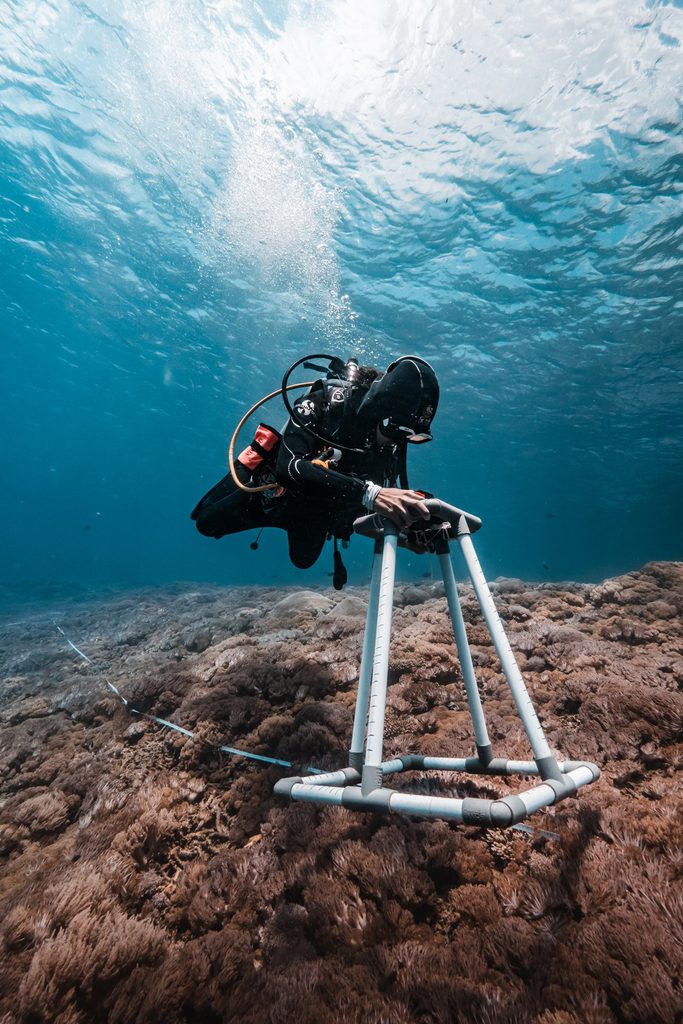
In collaboration with the Bali MPA Management Unit and supported by Indo Ocean Project, Dune Atlantis as well as other volunteers, the monitoring team collected biophysical data from 14 sites across the MPA. Preliminary results show a positive trend in coral reef health in the Nusa Penida MPA, with average live hard coral cover increasing to 38.3%, up 1.4 percentage points from 36.9% in 2025. Coral cover was highest at Sakenan, where it reached an impressive 81.3% at a depth of 10 meters.
While this increase is encouraging, coral conditions differ across monitoring sites. Continued monitoring will help build a clearer picture of how Nusa Penida’s reefs are changing, where greater attention may be needed, and how future conservation efforts can best support their recovery.
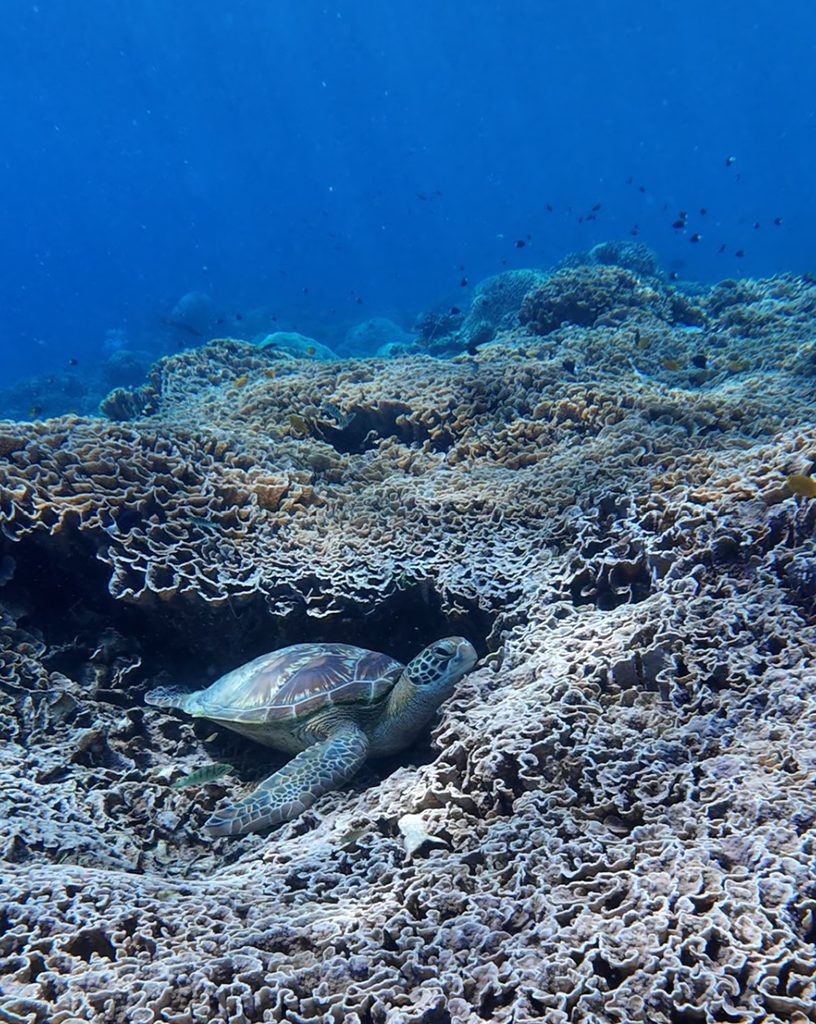
During the surveys, the team also recorded 11 green sea turtles (Chelonia mydas) and 17 hawksbill turtles (Eretmochelys imbricata), alongside sightings of giant trevally and dogtooth tuna. These observations highlight the diversity of marine wildlife found within the MPA and reinforce the importance of protecting the habitats that support these species.
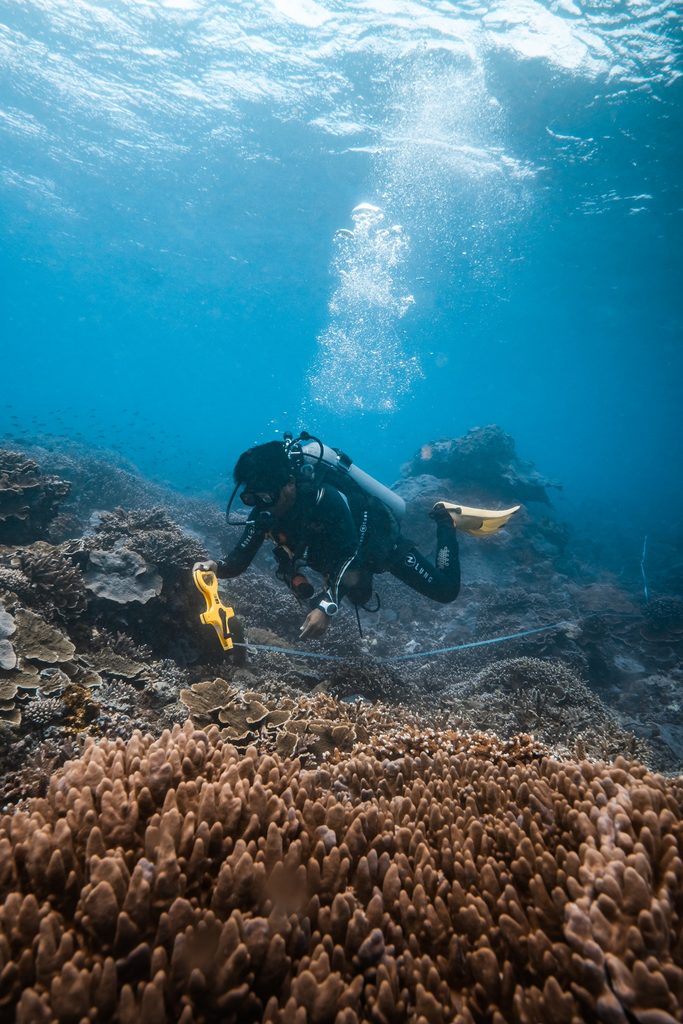
The team also observed two reef manta rays at Manta Point. Their presence contributed to the highest recorded fish biomass among the monitoring sites, while Suwehan recorded the highest fish abundance, influenced by a passing school of fusiliers.
Annual monitoring helps track how Nusa Penida’s marine ecosystems are changing over time. By comparing results year to year, CTC and its partners can identify trends in coral cover and fish populations, flag sites needing closer attention, and support the Bali MPA Management Unit in setting priorities to better protect the area’s marine resources.
Data analysis from the Underwater Photo Transect method and fish surveys is still underway. A summary report will be prepared for an initial presentation of the findings to CTC and the Bali MPA Management Unit, providing an opportunity to review the results and consider their implications for MPA management.
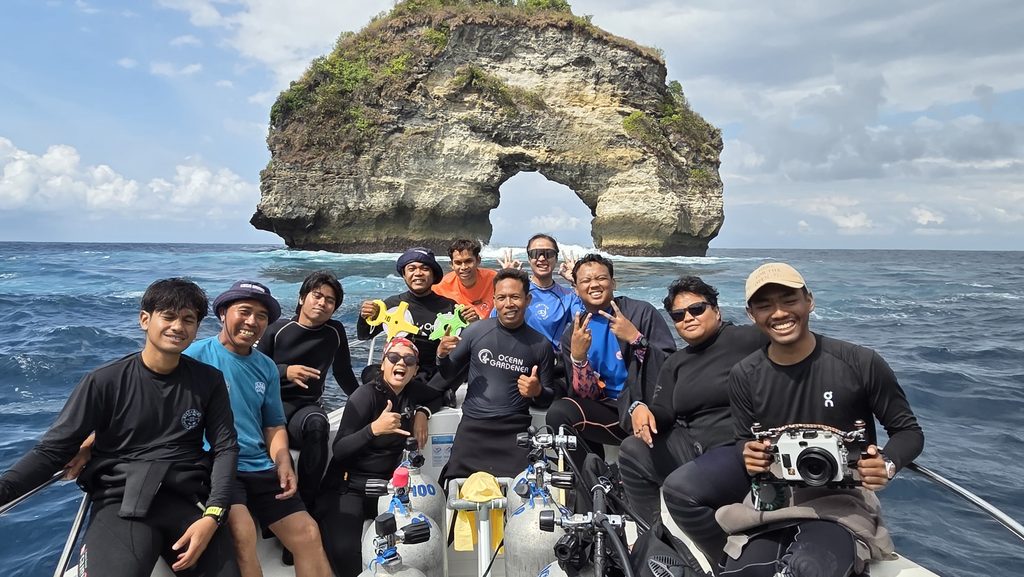
Through this continued collaboration, CTC and partners are helping turn field observations into information that can guide conservation action. By tracking reef health, documenting marine biodiversity, and identifying changes that may require attention, the annual monitoring supports evidence-based management of the Nusa Penida MPA. These efforts contribute to safeguarding the coral reefs and marine wildlife that make Nusa Penida ecologically significant, helping ensure that its marine ecosystems can continue to thrive for future generations.
Writer: Kayla Azzahra, Marthen Welly
Photos: Marshal Antoni, Raina, Huda/Dune Penida