
CTC Joins EU-Funded m-CONNECT Project to Strengthen Connectivity-Based Coastal Conservation
Coral Triangle Center (CTC) has joined m-CONNECT, a four-year, EU-funded initiative focused on strengthening the conservation and management of interconnected coastal ecosystems — coral reefs, mangroves, and seagrass — across Europe, Island Southeast Asia, and Melanesia.
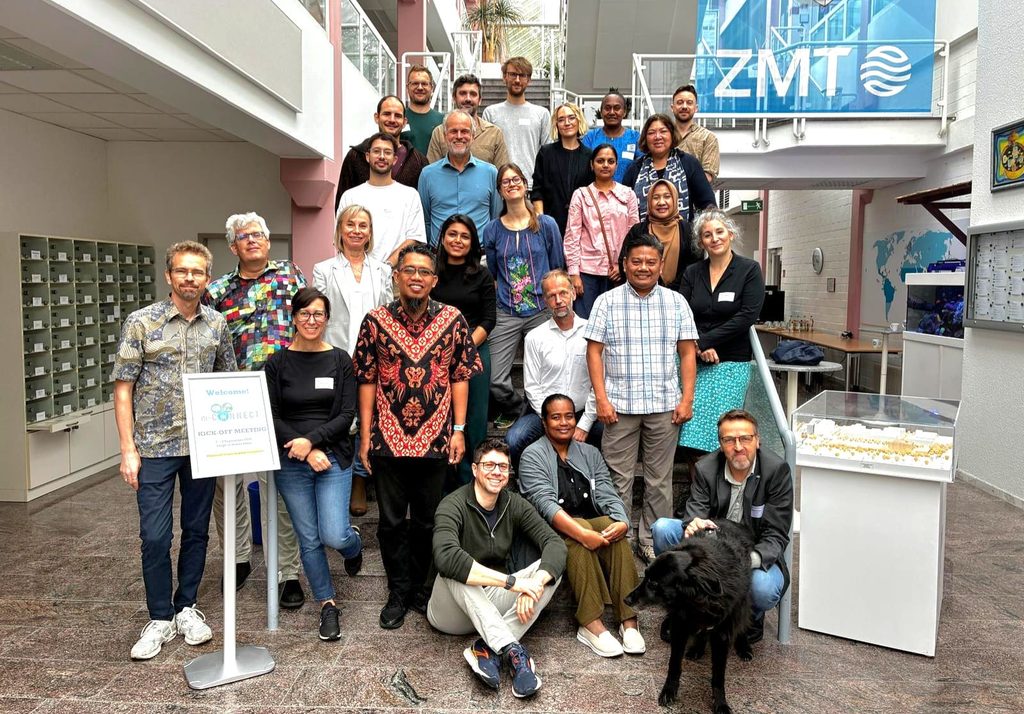
Funded through Horizon Europe, Management of Coastal Networks Nurtured through Ecosystem Assessment, Collaboration and Technology, or m-CONNECT, brings together 20 partners from 12 countries. Coordinated by the Leibniz Centre for Tropical Marine Research (ZMT) in Bremen, Germany, the project brings together research institutions, governments, civil society, and private sector partners to better understand how coral reefs, mangroves, and seagrass ecosystems function as connected systems and how these connections support biodiversity, climate resilience, and human wellbeing.
Representatives of the 20 partner organizations, including CTC Executive Director Rili Djohani and Senior Marine Conservation Advisor Marthen Welly, met in Bremen, Germany, on September 2–3, 2026 for the official project launch. Over the next four years, CTC will work alongside partners across the region, such as IPB University, Solomon Islands National University, Vanuatu Fisheries Department, and Seascape Belgium, to generate knowledge, implement and monitor practical solutions, and strengthen the links between research, policy, and action.
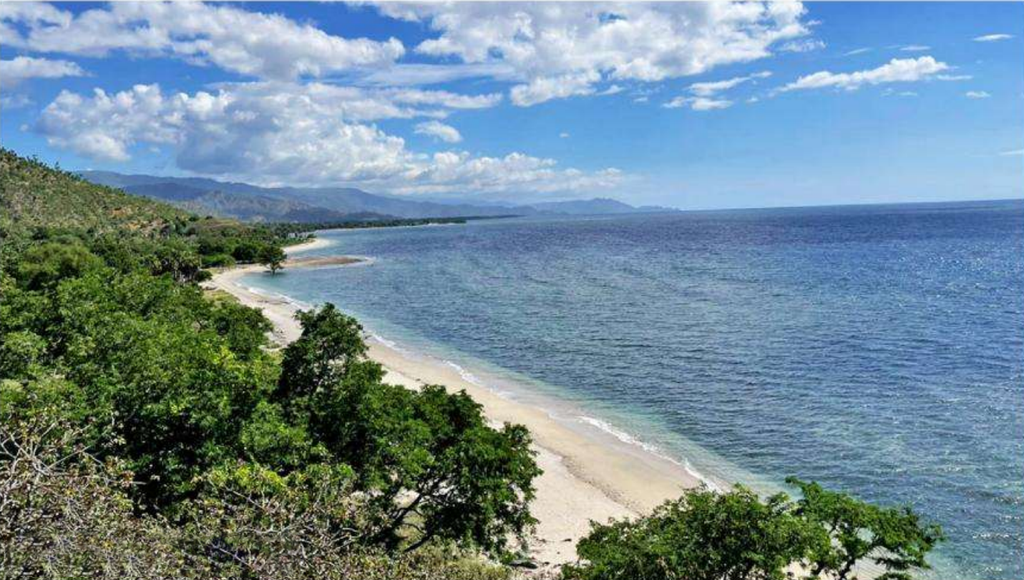
For CTC, m-CONNECT builds on its longstanding work across the Coral Triangle region to connect science, local knowledge, and conservation action. CTC will play a leading role in translating research into practical, site-based solutions across Indonesia, Timor-Leste, Solomon Islands, and Vanuatu. Within m-CONNECT, CTC will lead the co-design and implementation of site-based research, interventions, and monitoring. Working with local partners, governments, and local communities, CTC will help select and prepare project sites based on ecological, social, and governance considerations.
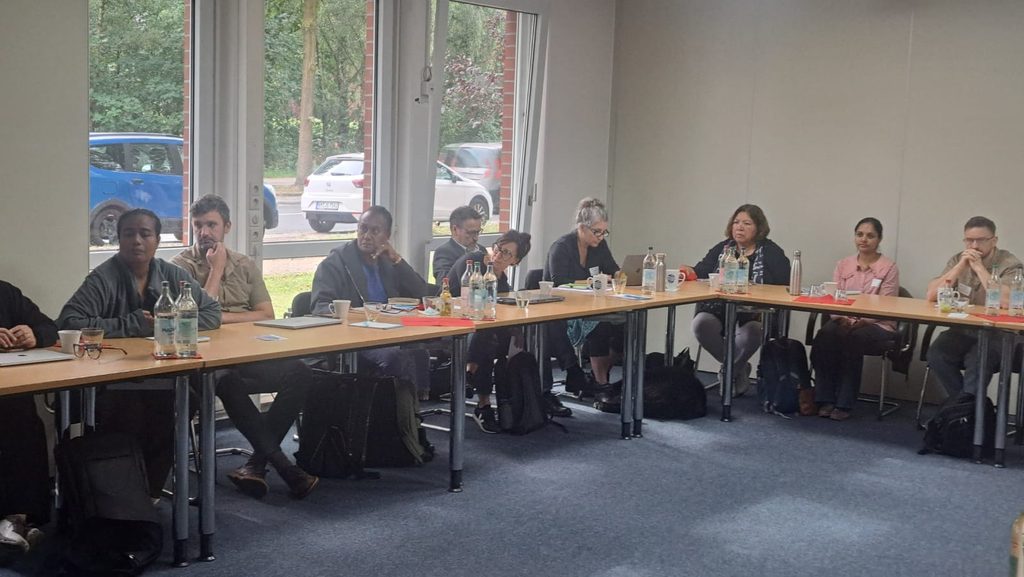
“The strength of m-CONNECT lies in bringing together different types of knowledge, expertise, and experience to understand coastal ecosystems as connected systems,” said Rili Djohani. “For CTC, this is an opportunity to connect scientific knowledge with the experience of communities and practitioners across the Coral Triangle, and to help ensure that research contributes to practical conservation and management.”
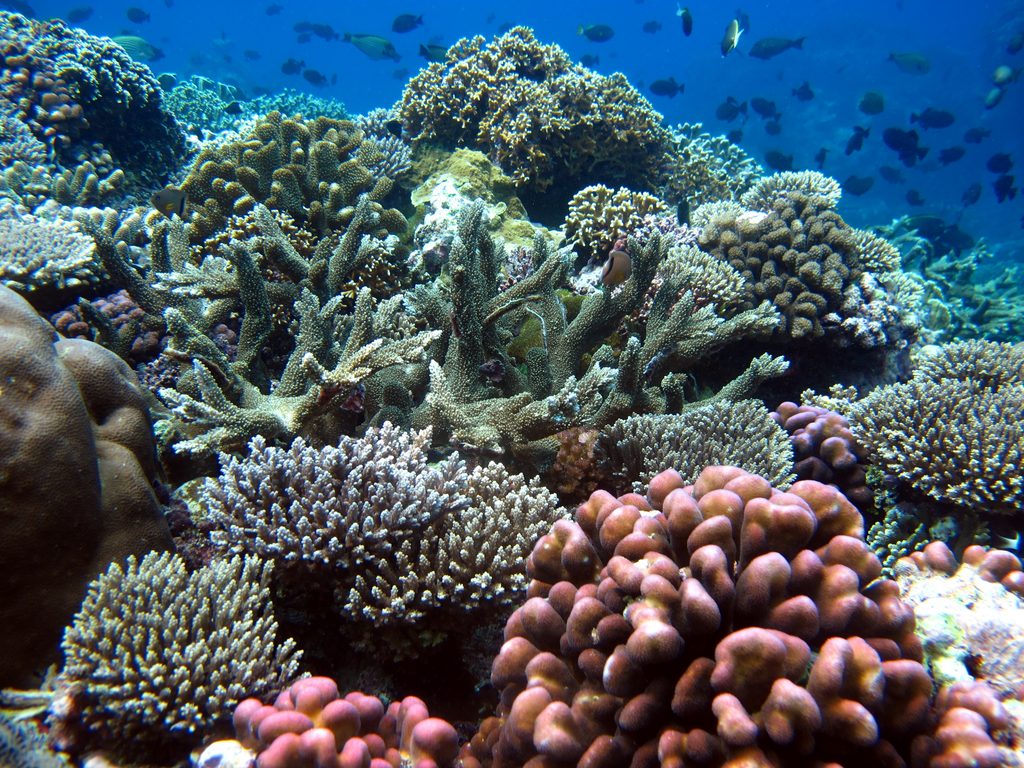
Coral reefs, mangrove forests, and seagrass meadows are often managed separately, yet they are closely connected through the movement of species, water, nutrients, and sediments. Many marine species move between mangroves, seagrass meadows, and coral reefs during different stages of their life cycles. These connections help sustain biodiversity and fisheries, while the ecosystems provide essential benefits, including food, coastal protection, and carbon storage.
Understanding these relationships is increasingly important as coastal ecosystems face growing pressures from climate change, habitat degradation, and unsustainable resource use. A connectivity-based approach can help decision-makers move beyond managing individual habitats and consider the wider coastal system.
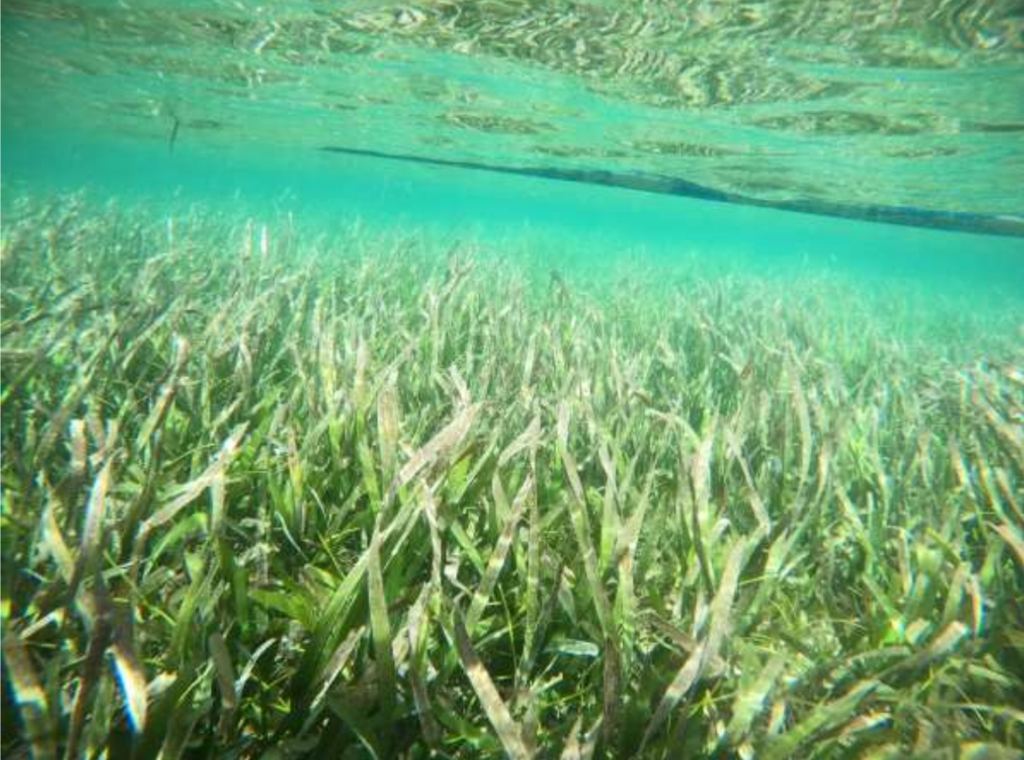
“CTC will also bring together existing information and new field research to build a more complete picture of each site, including ecosystem condition and connectivity, key species and resource use, socioeconomic and cultural factors, and local governance systems. This evidence will inform the development of integrated coastal ecosystem management approaches and locally relevant interventions,” said Marthen Welly.
Depending on site priorities, interventions may include Marine Protected Areas, Other Effective Area-Based Conservation Measures, coral reef restoration, and improved management effectiveness, alongside support for marine spatial planning and natural capital valuation.
CTC will also support practical, cost-effective monitoring that combines ecological, social, and economic indicators. Where appropriate, scientific approaches will be complemented by community-based monitoring and citizen science, generating evidence to support adaptive management and long-term sustainability.
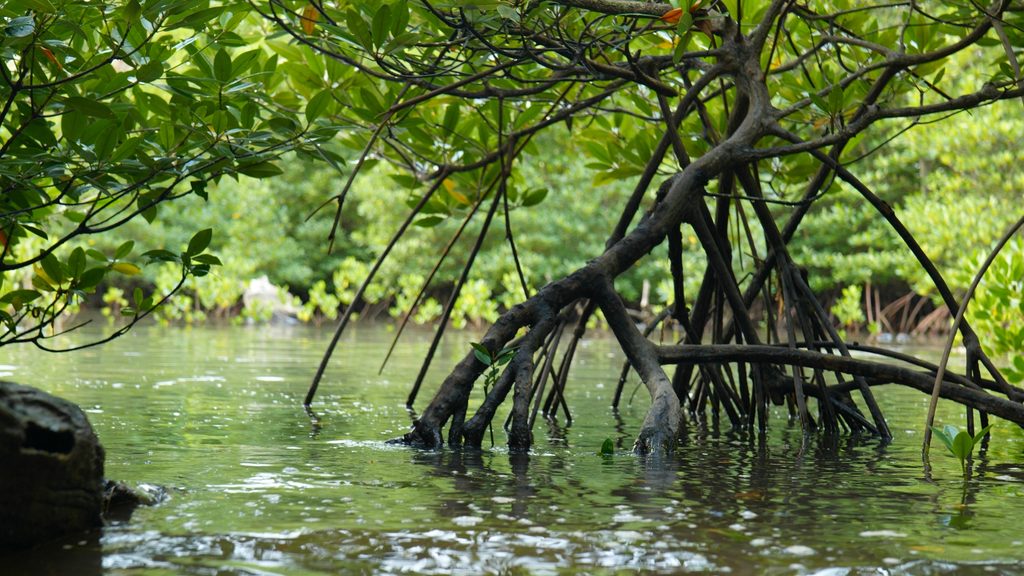
Beyond individual project sites, CTC will help translate project findings into broader management and policy processes. Spatial and socio-ecological information generated through m-CONNECT will contribute to marine spatial planning and be integrated into the Coral Triangle Atlas, supporting stakeholder engagement and spatial decision-making.
CTC will also contribute case studies and practical guidance on intervention planning and management, helping share lessons with policymakers and practitioners across the region. This will create opportunities to connect experiences from Indonesia, Timor-Leste, Solomon Islands, and Vanuatu and strengthen regional learning on integrated coastal conservation.
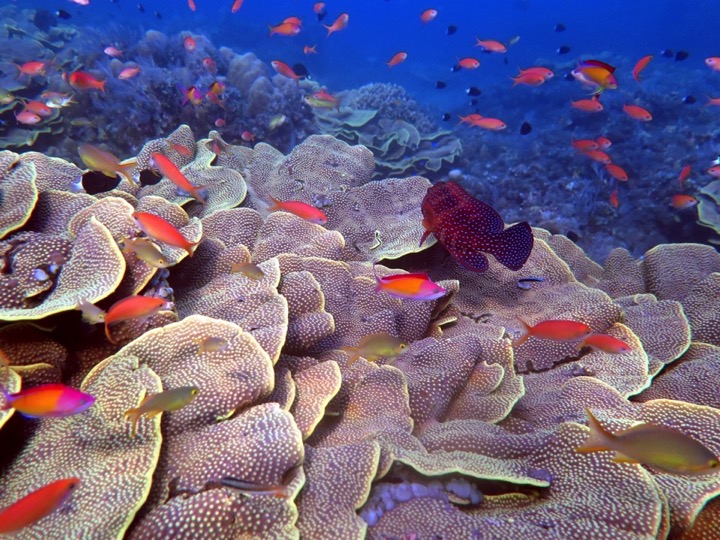
Through m-CONNECT, CTC is contributing to a broader effort to understand and protect the connections that sustain healthy coastal ecosystems, resilient communities, and a thriving Coral Triangle.
Photo: Marthen Welly/CTC, Wira Sanjaya/CTC, Andreas Muljadi