
CTC’s Coral Restoration Program: Growing Reefs, Growing Futures
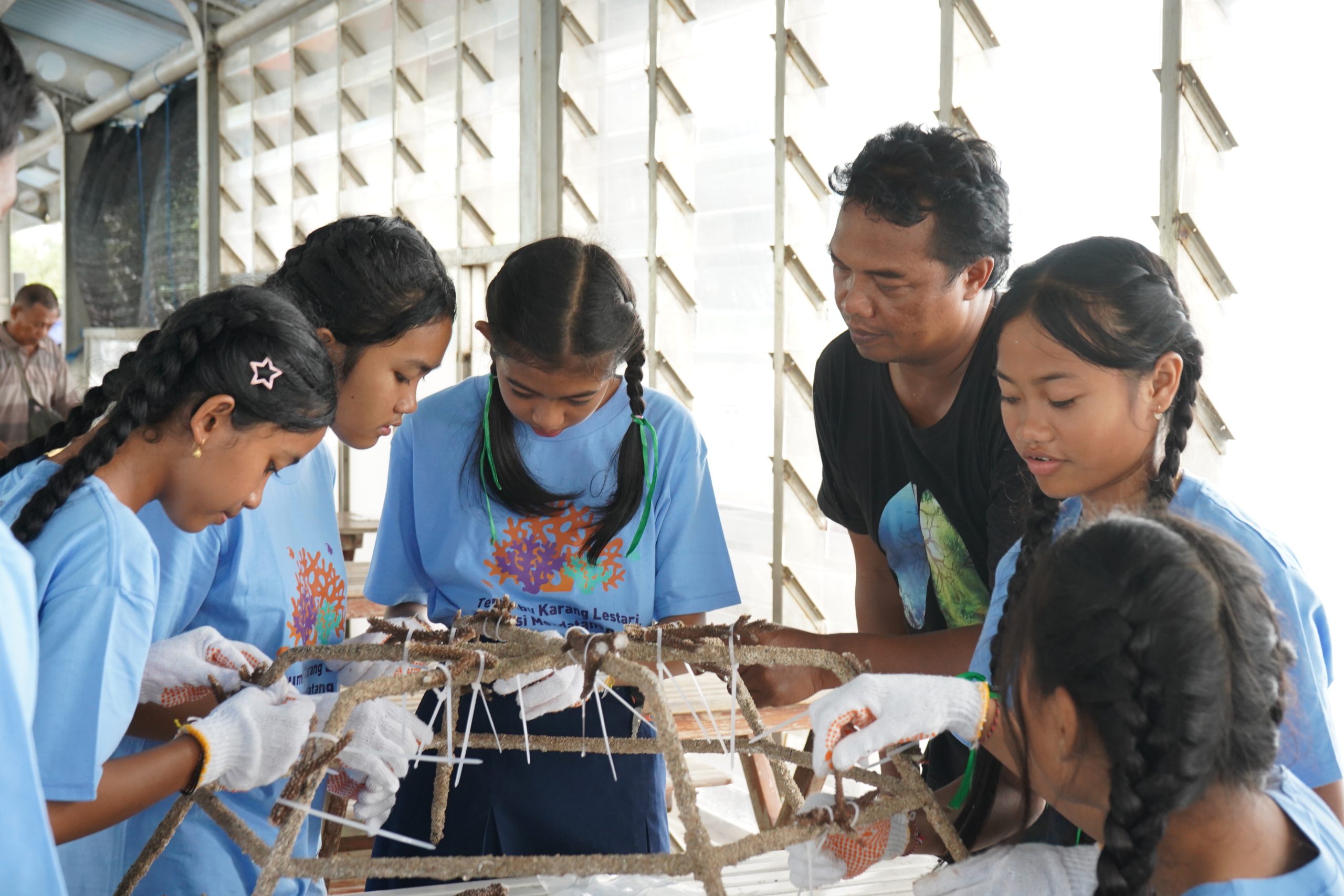
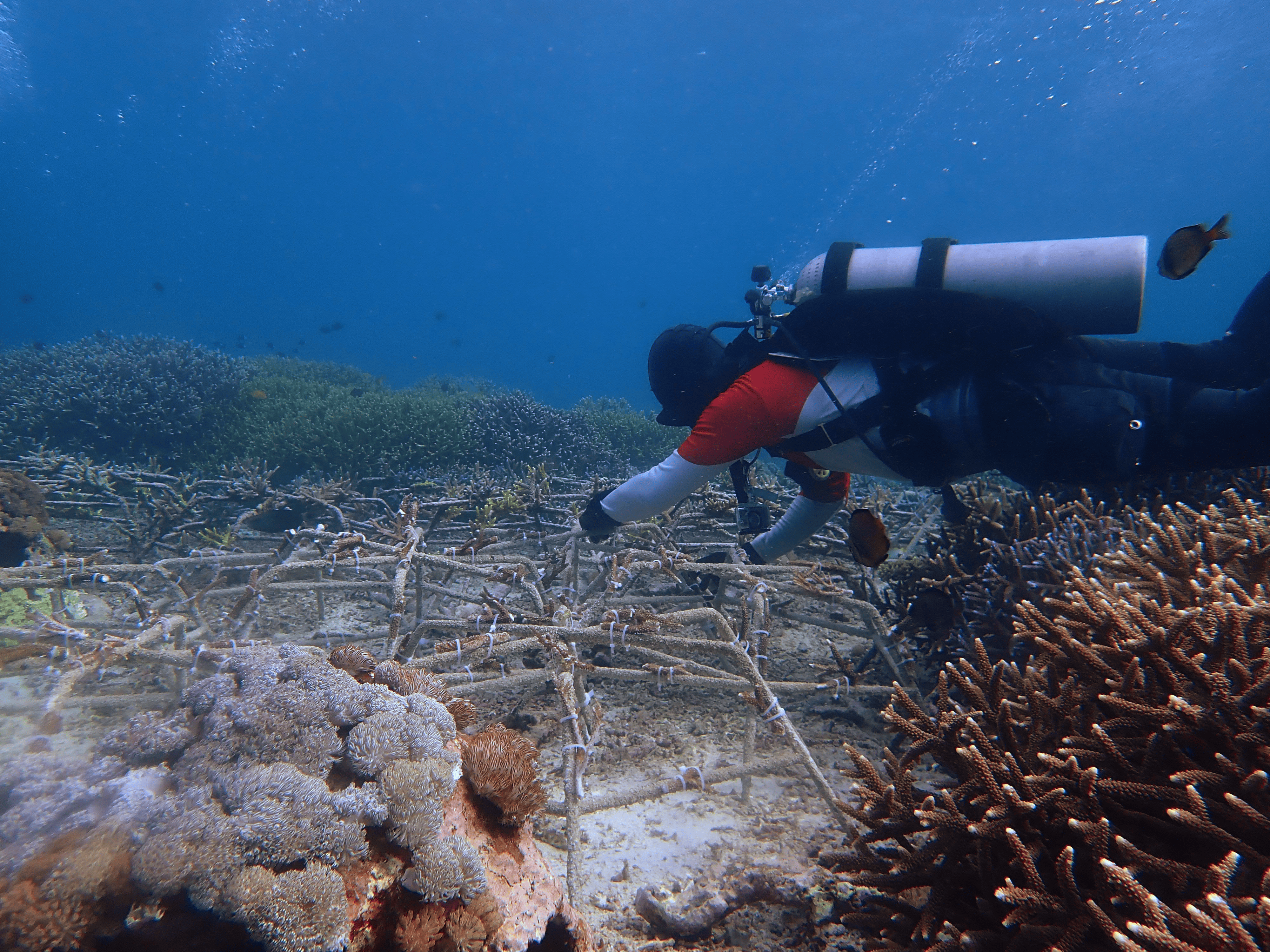 In early May 2025, Coral Triangle Center (CTC) and its partners took another significant step in restoring coral reefs within the Nusa Penida Marine Protected Area (MPA). Over four days in Toya Pakeh and Ped, the team successfully installed 200 Reef Stars and planted more than 3,000 coral fragments—an expansion of the Coral Reef Restoration Demonstration and Learning Site established in January 2024.
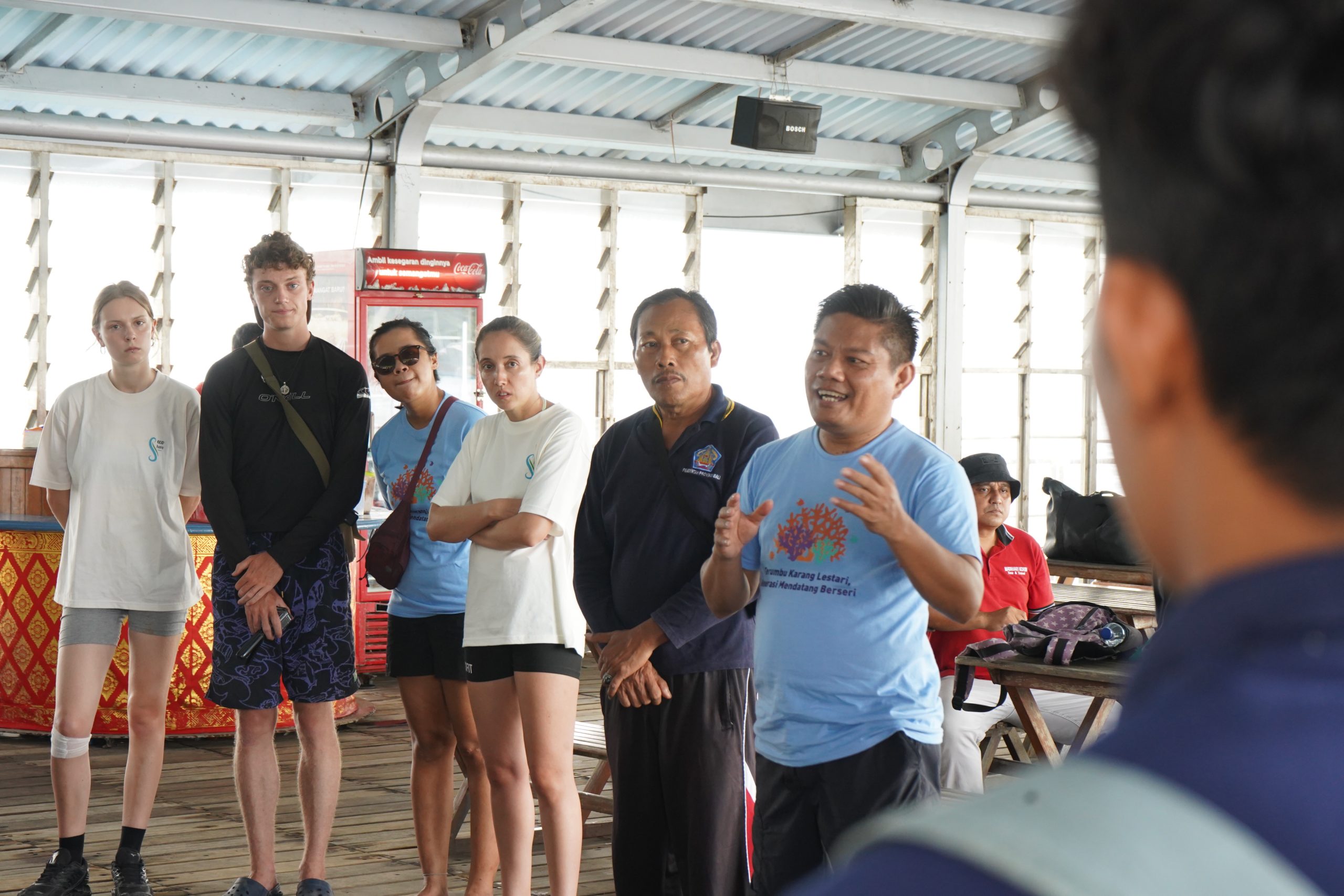 This initiative aligns with this year’s restoration theme: “Terumbu Karang Lestari, Generasi Mendatang Berseri” — Sustainable Reefs, A Brighter Generation. The message underscores the importance of restoring coral reefs not only for today’s marine biodiversity but also for the well-being of future generations.
“Our goal is to restore 5,000 m² of coral reef within the Nusa Penida MPA,” said Marthen Welly, CTC’s Senior Marine Conservation Advisor. Using the Mars Assisted Reef Restoration System (MARRS), the project deploys hexagonal steel Reef Star structures, coated in marine epoxy, to stabilize and support coral fragments. This method enhances coral growth, encourages reef-building species, and revives essential marine habitats. To date, CTC has installed more than 1,000 Reef Stars and embedded 15,000 coral fragments—successfully restoring around 600 m² of coral reef within the Nusa Penida MPA.
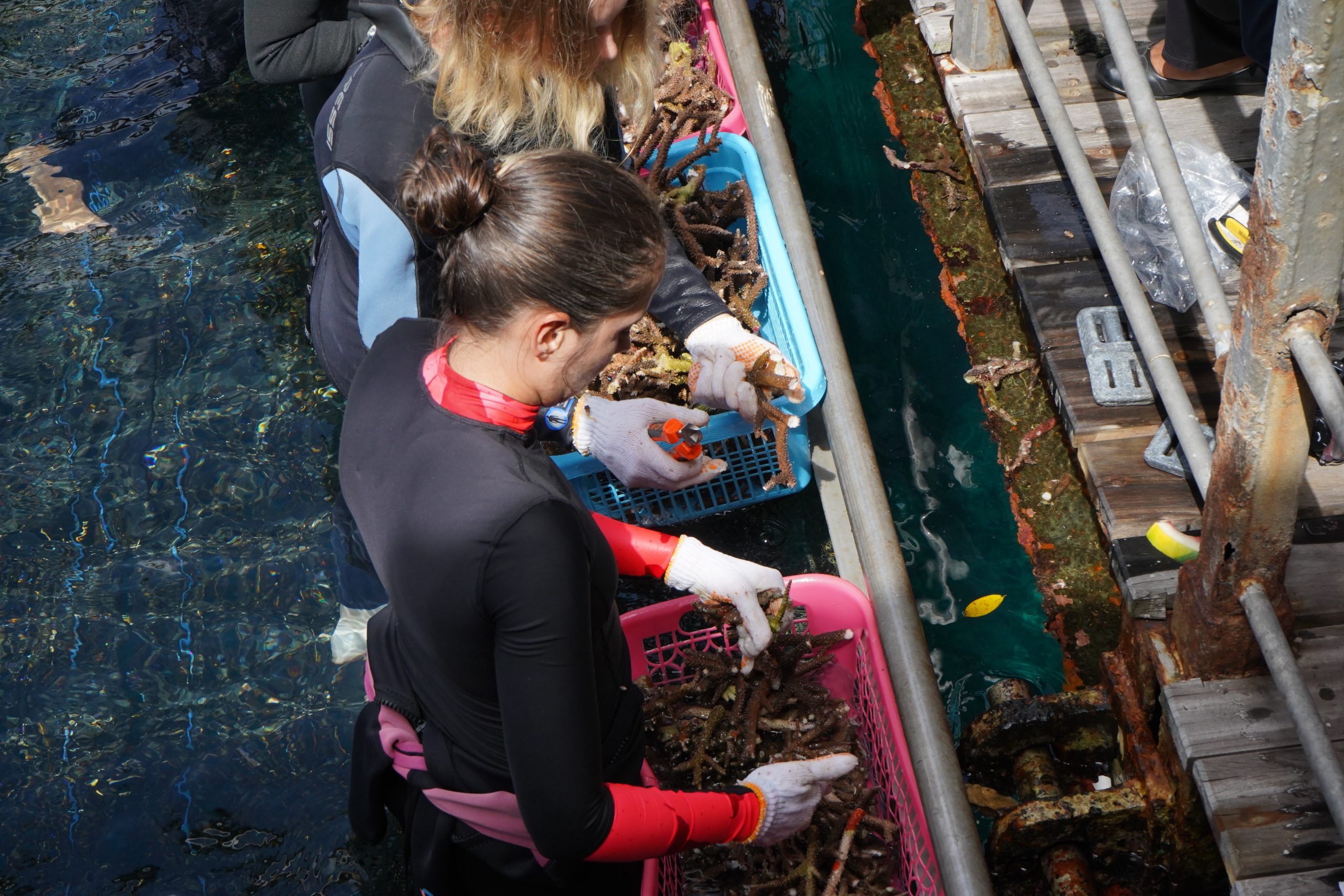 The Nusa Penida MPA, spanning over 20,000 hectares, was declared a Mission Blue Hope Spot in 2020. It is one of the most ecologically and economically vital areas in the Coral Triangle. Restoration efforts here are essential to address the impacts of climate change, coastal development, and past destructive practices. Healthy “corals of opportunity” were collected and secured onto the Reef Stars, which were then carefully positioned on the seafloor. These new coral structures are expected to accelerate natural recovery and enhance biodiversity in previously degraded reef areas. Fast-growing species such as Acropora were used to kickstart the process.
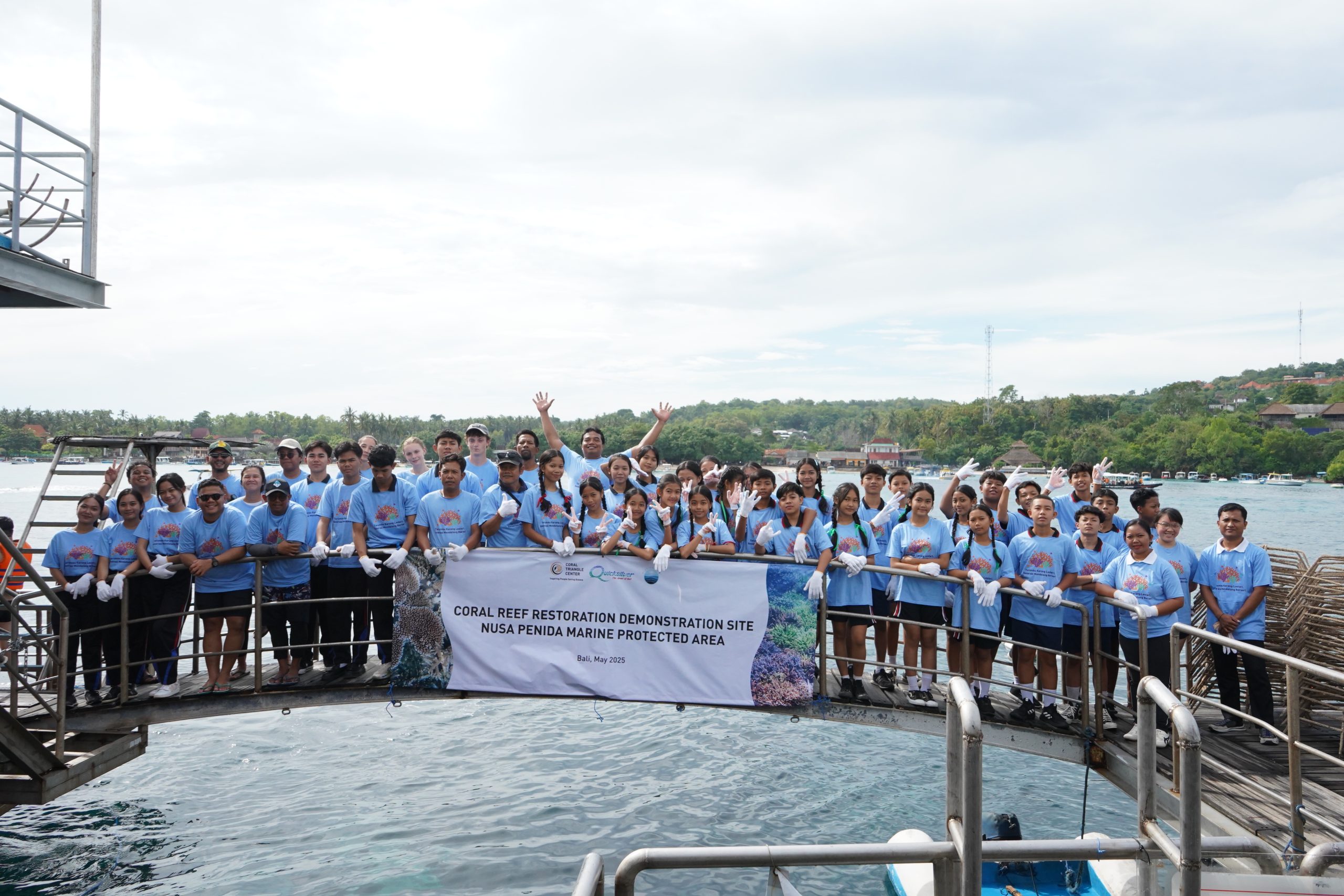 This collaborative effort included teams from CTC, Bali Marine Protected Area Management Unit – Bali Province Government (UPTD KKP Bali), Quicksilver Bali, Project Laut, Eco Hero, Two Fish Divers, Dune Penida, Sanctum Dive, Mars Sustainable Solution, and local schools such as SMPN 2, SMAN 1, SMK 1 Nusa Penida. The project was not only hands-on but also a learning opportunity for young people in the community. “Before, we didn’t really know how to preserve coral reefs. Now we’ve been invited by the CTC team to be directly involved,” said Meisya, a student from SMA Negeri 1 Nusa Penida. Her classmate Indah added, “I believe that the future generation is the key to protecting our environment.”
Looking ahead, CTC and its partners will carry out monthly maintenance on the newly deployed Reef Stars to support coral survivability. Additionally, ecosystem monitoring will be conducted every three months to assess coral growth and the overall health of the restored reef.
 With continued collaboration between communities, schools, governments, NGOs, and the private sector, the Nusa Penida MPA continues to serve as a powerful example of what’s possible when we come together to protect and restore our oceans.
Learn more about CTC’s Coral Restoration Program: bit.ly/CTCCoralRestorationProgram
Writer : Kayla Azzahra, Marthen Welly
Photo : Kayla Azzahra/CTC, Tabitha Rudang/CTC