
Inception Workshop Launches the Establishment of Manufahi MPA
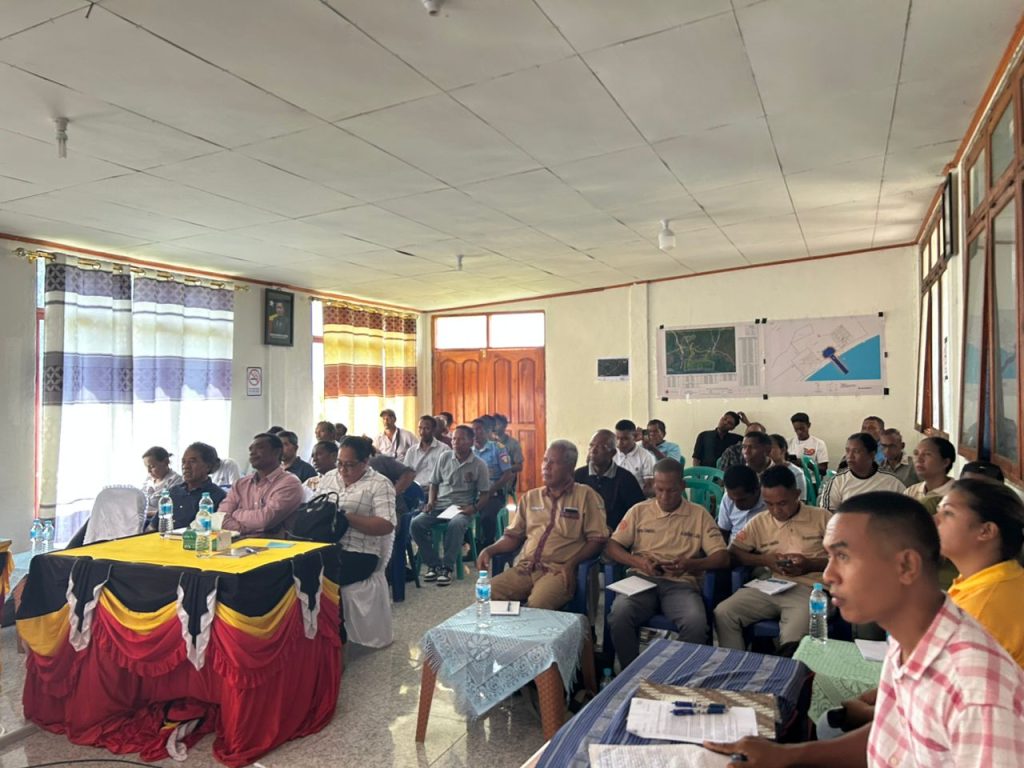
On 17 March 2026, the Coral Triangle Center (CTC) held its first inception workshop in Manatuto Municipality — a pivotal step in the establishment of the Manufahi Marine Protected Area (MPA) in Timor-Leste. The workshop brought together 49 participants, representing local fishers, community leaders, and government officials from both the municipal and national levels, to formally initiate the MPA establishment process.
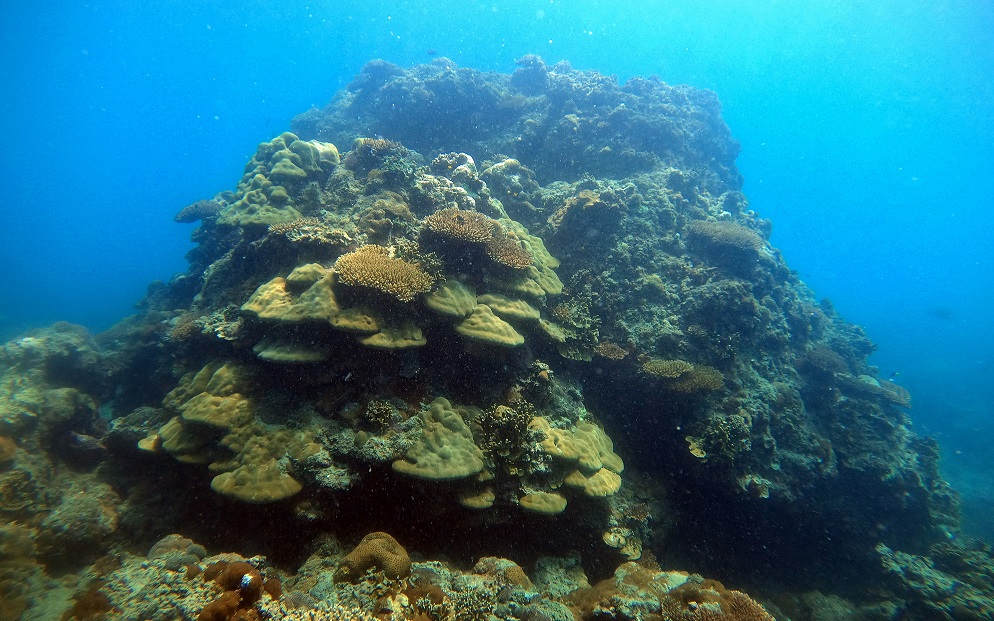
Located at the heart of the Coral Triangle, Timor-Leste holds approximately 77,474 km2 of coastal and marine ecosystems. However, these ecosystems are increasingly under pressure from destructive fishing practices, pollution, and coastal development. In line with its national commitment to protect 30% of marine areas by 2030, the government is strengthening efforts to safeguard these critical environments.
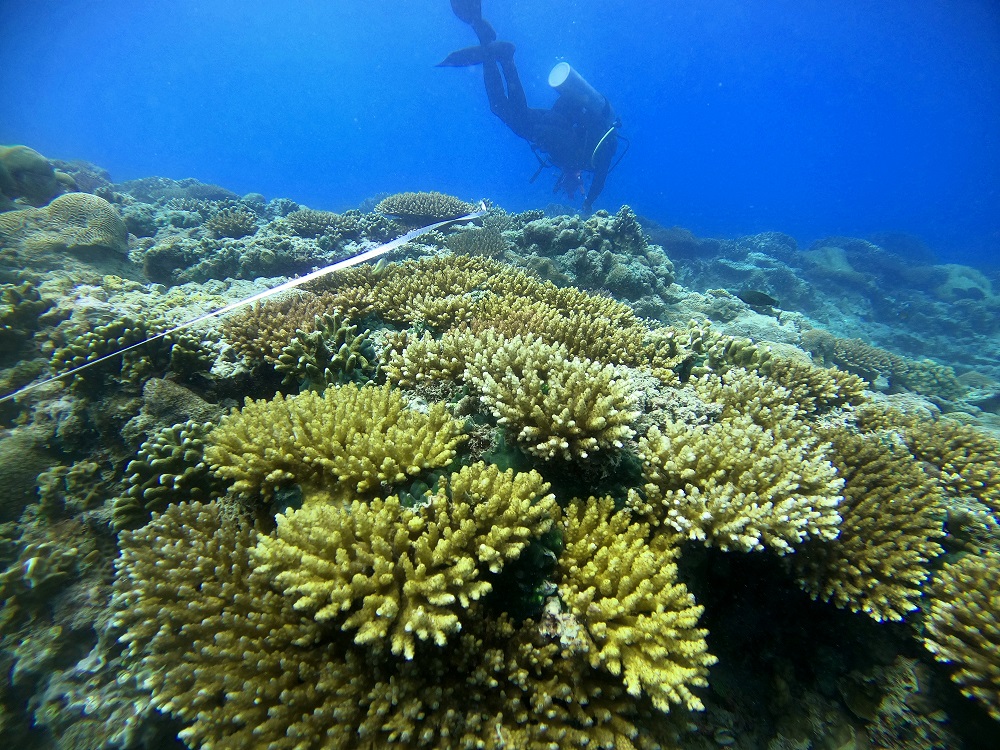
CTC’s work in Timor-Leste is part of this broader effort, focused on improving marine management systems and supporting the establishment of Marine Protected Areas in close collaboration with government and communities. Building on CTC’s successful work at Atauro and Samba Sembilan MPA in Liquiça, the proposed Manufahi MPA marks an expansion to the south coast, where preliminary assessments have identified important habitats that are both ecologically significant and central to local livelihoods.
The inception workshop in Barique served as a key starting point for this process. It introduced the MPA consultation framework to local authorities and coastal communities, while creating space for dialogue and feedback. Through a series of presentations, participants were guided through national conservation policies, the progress of existing MPAs, and the consultation approach that will shape the development of the Manufahi MPA. The session also focused on identifying local leaders and stakeholders who will play active roles throughout the process, ensuring that the consultation roadmap reflects local governance structures and traditions.
Discussions throughout the workshop highlighted both opportunities and concerns from the community. Fishers shared their perspectives on marine resource use and raised questions about how conservation measures would interact with other developments in the area. A fisher raised the question of how the MPA would co-exist with the Timor GAP oil and gas project in the area. Local authorities clarified that although the industrial footprint does not extend to the coast, MPA management will involve Timor GAP representation.
A woman fisher also advocated for the Naan Kurun Lagoon to be formally protected and for a stricter ban on poison and electric fishing. Youth representatives raised the concern about illegal fishing by foreign vessels along the Barique coast, prompting the General Directorate of Fisheries, Aquaculture and Marine Resources (DG-PARM) to note that this falls under the purview of the National Maritime Authority. These exchanges underscored the value of integrating local knowledge and practices into the MPA design.
The workshop also provided a platform to outline the broader network of stakeholders involved in the process. From municipal authorities and traditional leaders to youth representatives and institutions operating at the local level, the consultation process aimed to ensure inclusive participation across all levels of society. Clear communication pathways were discussed, with an emphasis on coordinating engagement through local administrative structures and extending outreach to communities at the village level.
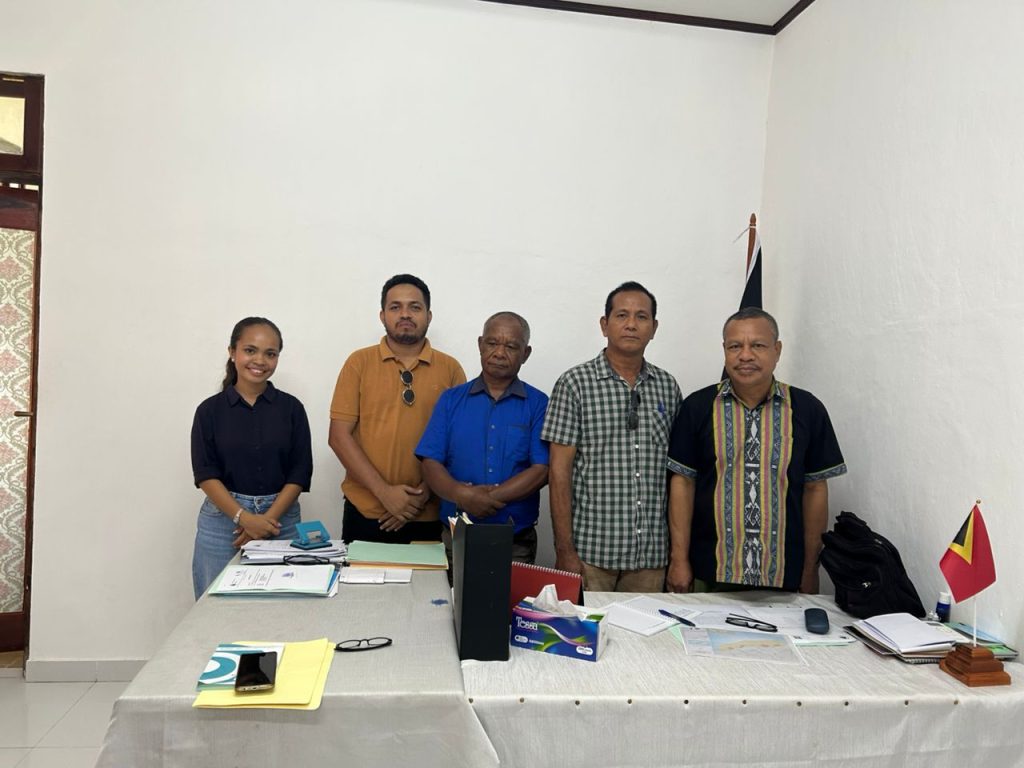
Importantly, the workshop secured early support and commitment from local authorities and community representatives. Participants left with a clearer understanding of the MPA process and their role in shaping it. This shared understanding is critical to ensuring the establishment of the Manufahi MPA is guided not only by national conservation goals but also by the needs and priorities of the communities that depend on these marine resources.
As CTC continues to support the government of Timor-Leste in this initiative, the inception workshop marks the beginning of a broader, participatory journey. The next phase will focus on deepening community engagement and advancing consultations at the village level, laying the foundation for a Marine Protected Area that is both ecologically effective and socially inclusive.
Writers: Jaling Sim, Marthen Welly, Fidel Guterres
Photos: Marthen Welly/CTC, Fidel Guterres/CTC