
Strengthening Community-Led Conservation in Samba Sembilan MPA
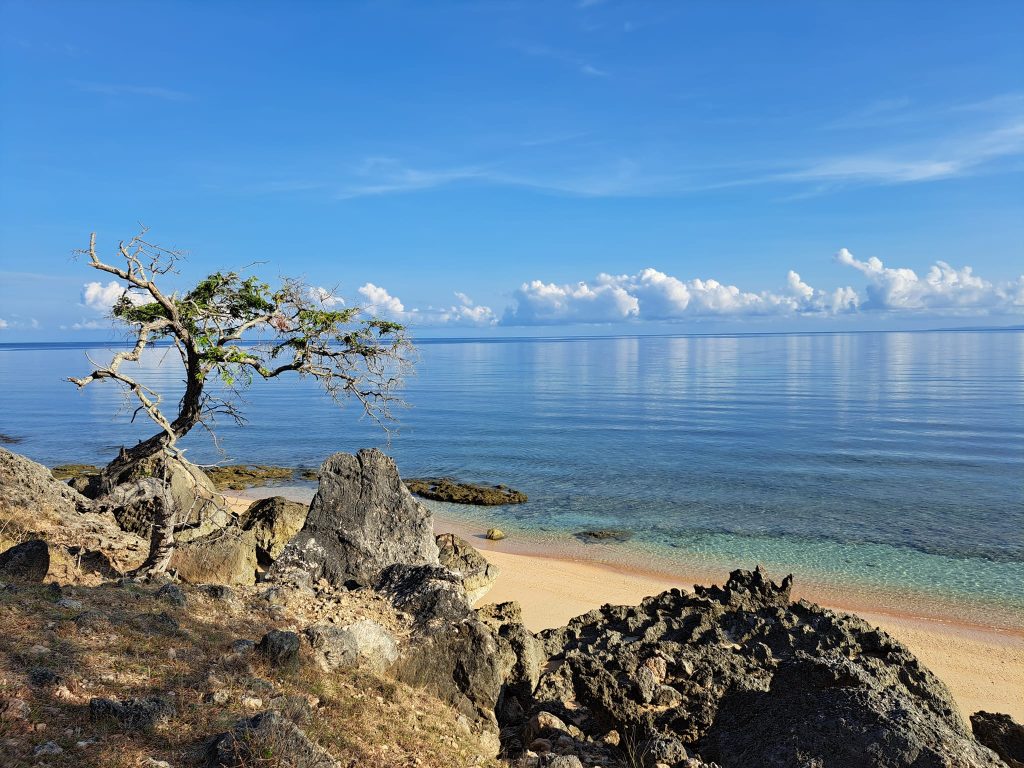
The Coral Triangle Center (CTC), in collaboration with the Ministry of Agriculture, Livestock, Forestry and Fisheries (MALFF), the Samba Sembilan Marine Protected Area (MPA) Management Unit, and the Municipal Authority of Liquica, is advancing community-based marine conservation through targeted outreach in Ulmera Village.
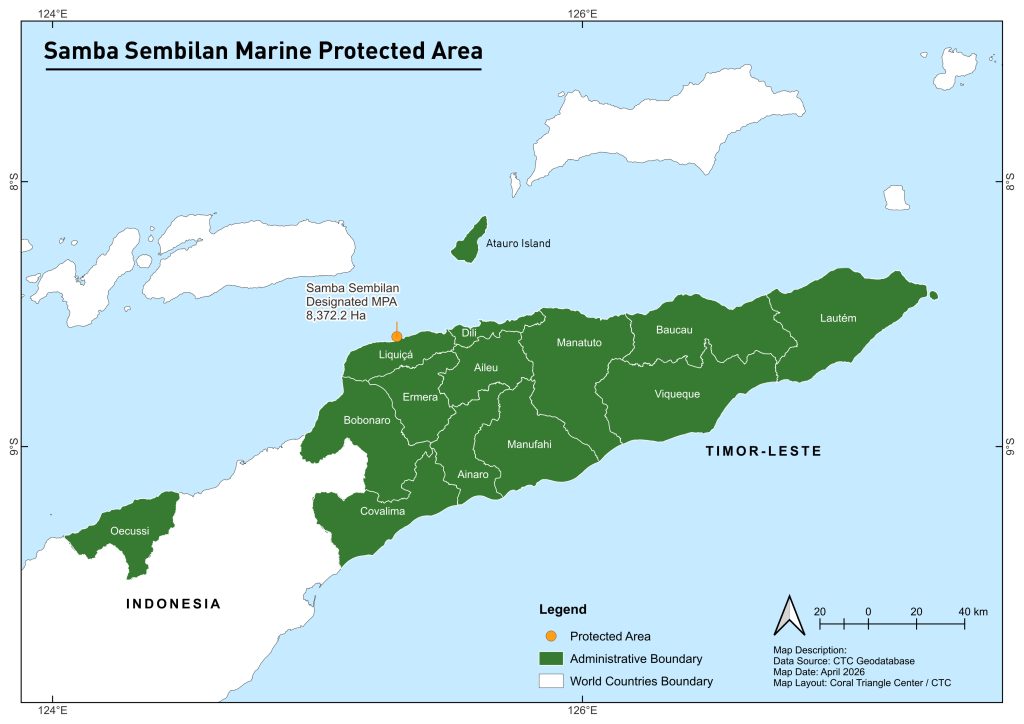
Held on March 16–17, 2026, the two-day activity focused on socializing the zoning system and regulations of the Samba Sembilan MPA, a 6,177hectare conservation area that forms a part of the regional Coral Triangle Initiative on Coral Reefs, Fisheries and Food Security. The initiative brought together 123 participants, including 63 from the Tapae Zone and 60 from the Kamaliana Zone, representing fishers, youth, women, traditional leaders, students, community members, and the private sector.
The activity was attended by key government representatives, including Orlando Kalis, who currently serves as National Director representing the Directorate General of Fisheries under MALFF, and Zeca Soares from the Municipal Authority of Liquica. Their presence underscored the government’s commitment to strengthening collaborative management of marine resources.
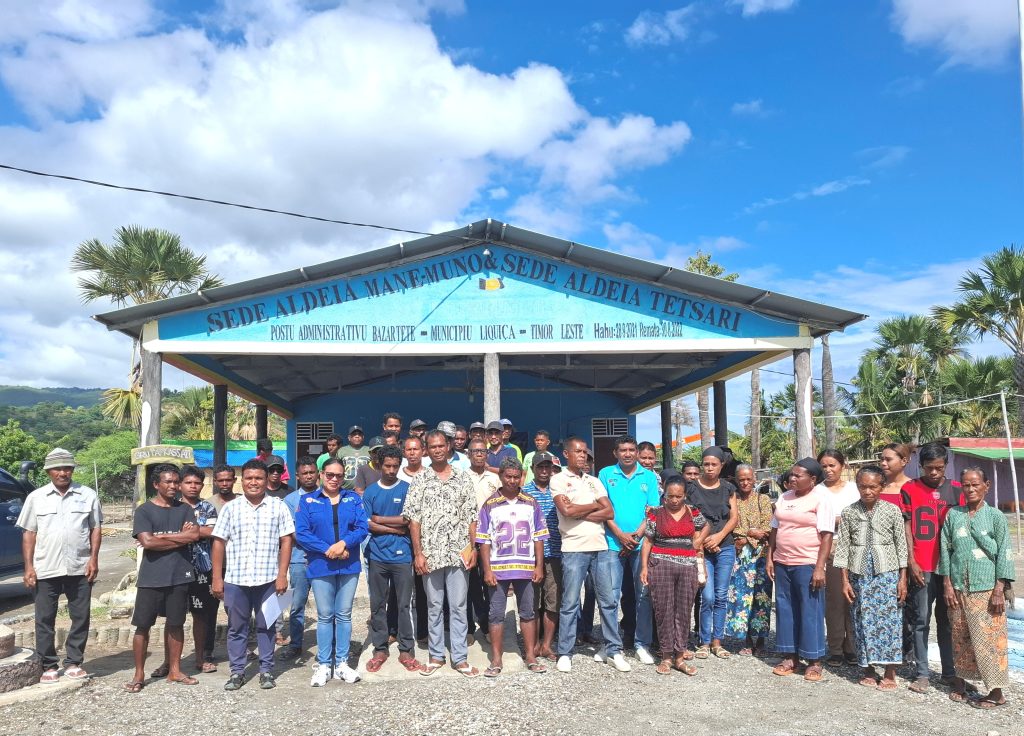
Kalis noted that surveys conducted in the Samba Sembilan MPA have confirmed its rich biodiversity and strong potential to support sustainable fisheries and marine tourism. “Strengthening conservation efforts here is essential not only for protecting marine ecosystems, but also for supporting local livelihoods and contributing to national commitments to global marine protection targets,” he stated.
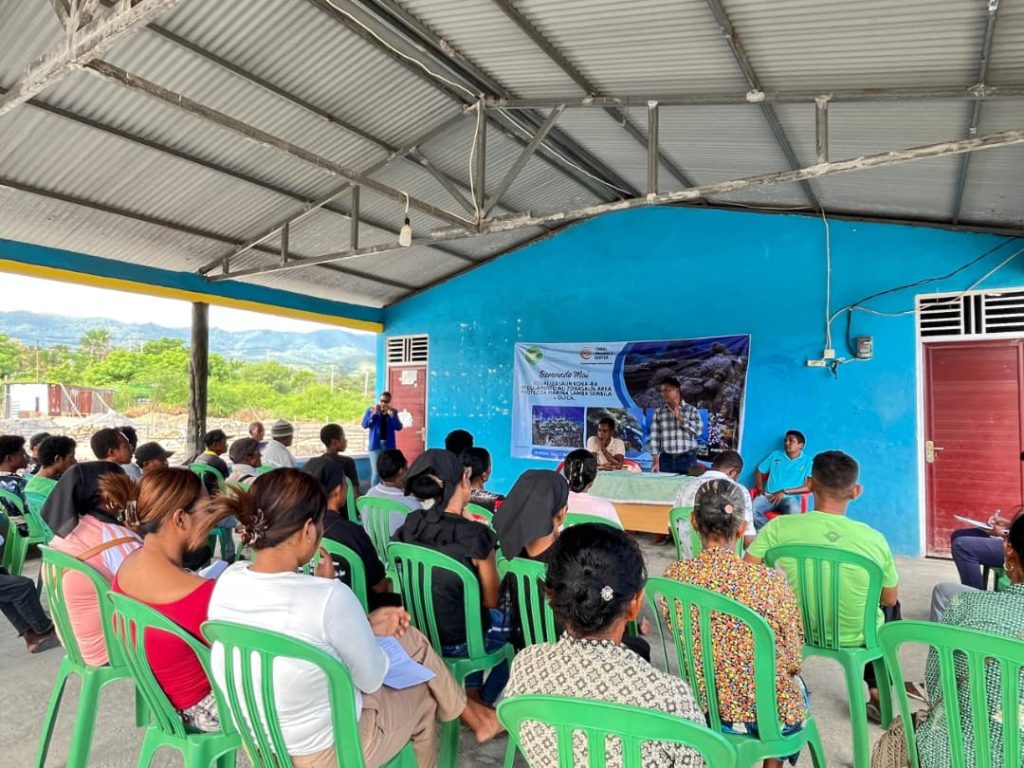
Throughout the sessions, the CTC team delivered a series of presentations designed to build community understanding of marine conservation. These covered the ecological and economic importance of marine ecosystems for local livelihoods, the process behind the establishment of the Samba Sembilan zoning system, and the practical implementation of regulations within the protected area.
The program was designed as an interactive process, combining presentations with open discussions to ensure meaningful participation. Community members actively engaged in identifying marine resource potential within the Tapae and Kamaliana zones, including key fishing grounds and ecologically important areas. These discussions informed participatory mapping exercises, where local knowledge was translated into spatial planning inputs.
A key outcome of the activity was the joint formulation of preliminary zoning regulations. Participants collectively discussed and agreed on rules governing resource use in each zone, fostering a shared understanding and a stronger sense of ownership over the management of the MPA.
Highlighting the local importance of the initiative, Soares emphasized that the Ulmera marine area holds significant strategic value due to its interconnected ecosystems, including coral reefs, seagrass beds, and mangroves. “Strengthening management through the MPA will help ensure these resources are protected while continuing to provide long-term benefits for local communities,” he said.
The high level of engagement throughout the two-day activity reflected strong community support for marine conservation. Participants expressed their willingness to protect marine resources in accordance with the agreed zoning system, highlighting a growing awareness of the long-term benefits of sustainable management.
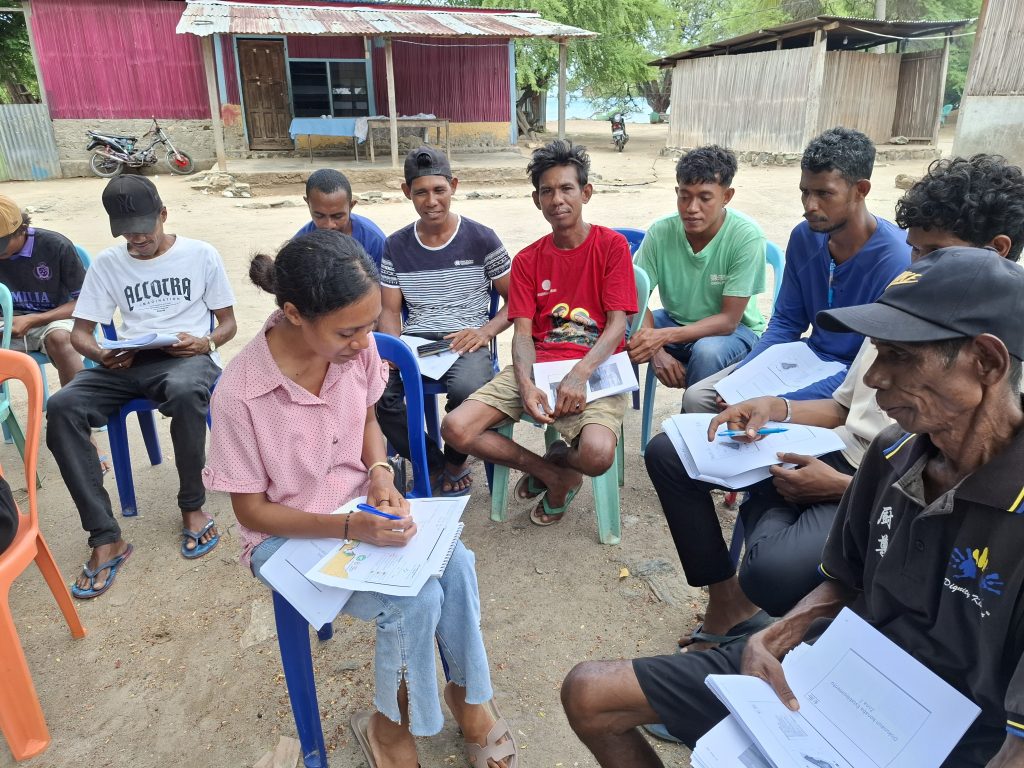
In addition to strengthening community knowledge, the initiative reinforced coordination among stakeholders, aligning efforts between national and local government institutions, conservation organizations, and coastal communities. This collaborative approach is critical to ensuring that conservation measures are effectively implemented and locally supported.
By the end of the activity, communities had not only gained a clearer understanding of zoning regulations but had also taken an active role in shaping them. The process established an important foundation for ongoing community-based monitoring, compliance, and sustainable management of the Samba Sembilan MPA.
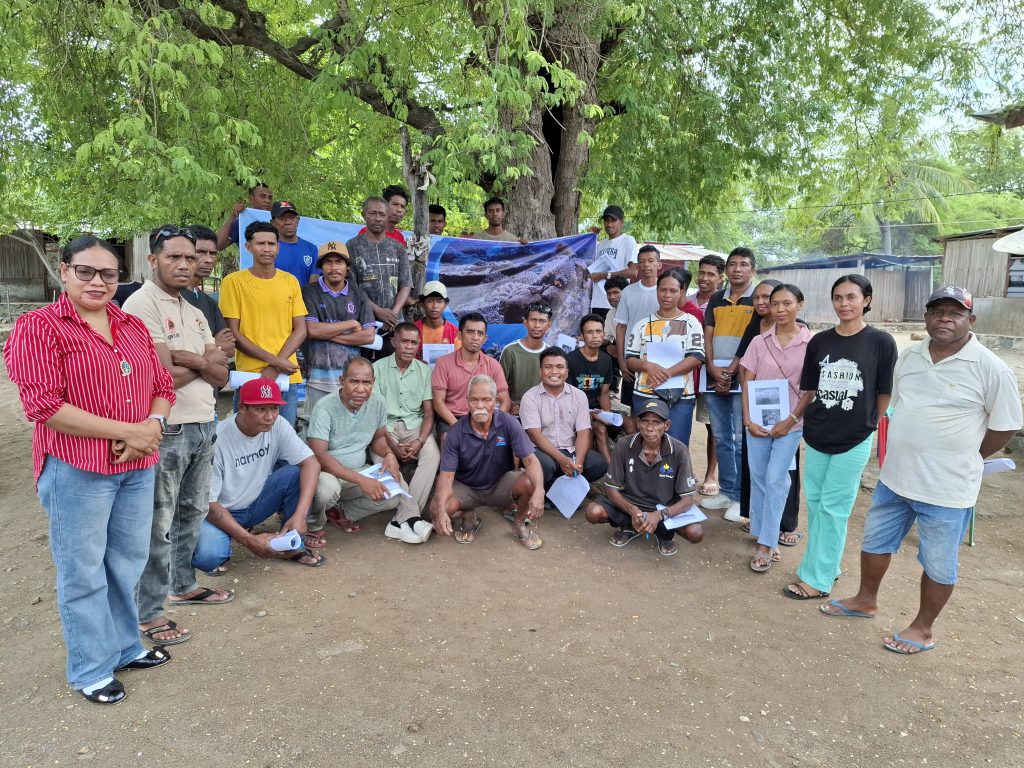
Moving forward, CTC and its partners aim to expand similar engagement efforts across other zones within the conservation area, while continuing to support communities through capacity building, participatory monitoring systems, and the integration of conservation practices with local knowledge and customary governance. These efforts are expected to strengthen the resilience of coastal communities while safeguarding marine ecosystems in Timor-Leste.
Writer: Asia Salsabilla, Marthen Welly
Photos: Marthen Welly/CTC, Egidio Boavida/CTC