
Advancing Sustainable Marine Tourism in the Coral Triangle
The growth of marine tourism is one of the key pressures facing Marine Protected Areas (MPAs) across the Coral Triangle. Alongside overfishing, habitat degradation, and pollution, these challenges threaten marine biodiversity and ecosystem services. At the same time, coastal communities rely heavily on these resources for their livelihoods, making it difficult to balance conservation with sustainable economic opportunities.
On March 25-27, 2026, CTC successfully conducted a Regional Learning Exchange on Sustainable Marine Tourism (SMT) under the Climate and Ocean Adaptation and Sustainable Transition (COAST) Project in Sanur, Bali, bringing together 30 participants from Indonesia, Malaysia, Philippines, and Timor-Leste, representing community groups, NGOs, and government partners. The participants were mostly practitioners that are involved in SMT in their area, such as MPA management staff, community, and government. This three-day event was designed as a learning exchange to deepen participants’ understanding of SMT in MPAs, bringing together shared experiences, case studies, and governance approaches that link tourism, community empowerment, and conservation outcomes.
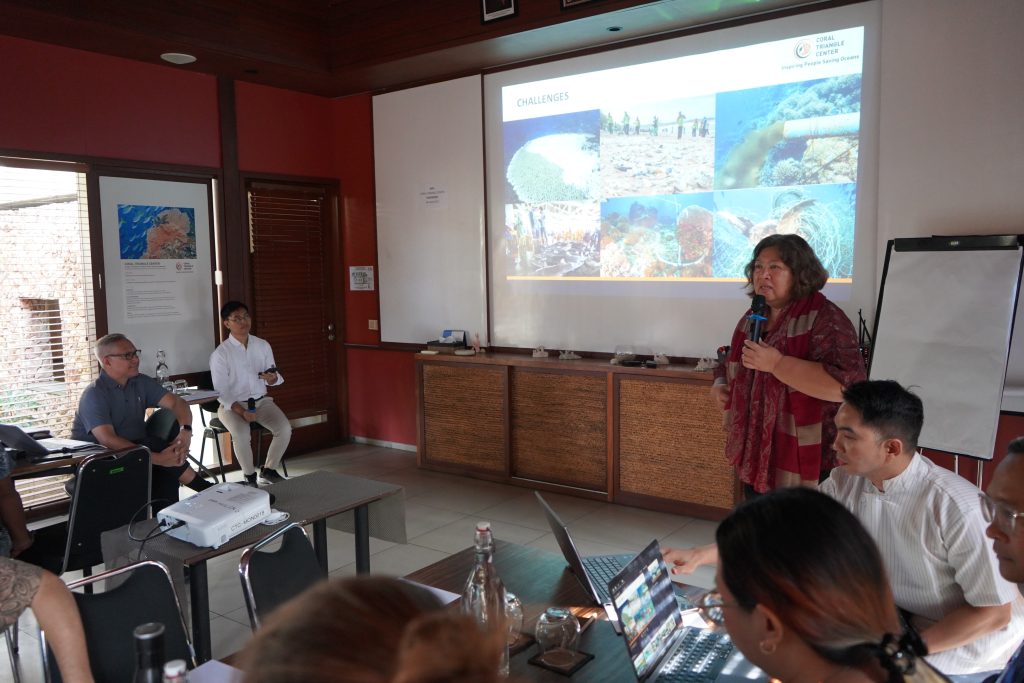
The event was officially opened by CTC Executive Director Rili Djohani, who emphasized the critical importance of the Coral Triangle region in supporting sustainable marine tourism while safeguarding marine biodiversity and coastal livelihoods. “Sustainable marine tourism in the Coral Triangle is not only about protecting nature but also about ensuring that coastal communities can thrive alongside it.” added Rili Djohani.
Throughout the sessions, Boboi Costas, as facilitator and mentor, delivered key materials on sustainable marine tourism, including its principles, governance, community-based enterprise development, destination resilience, GESI, and related cross-cutting themes.
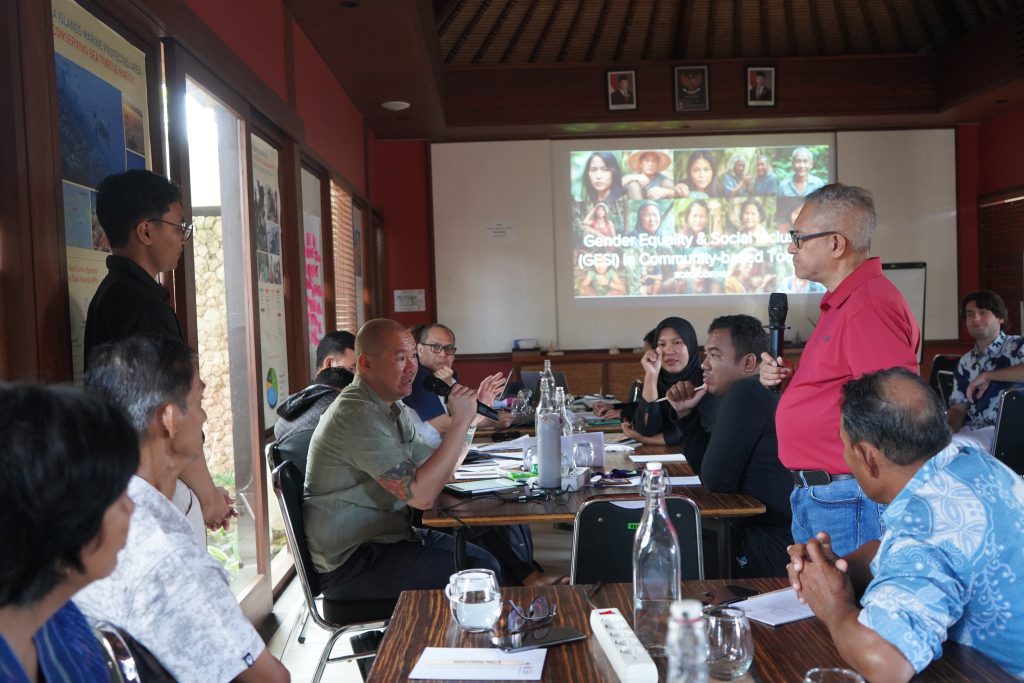
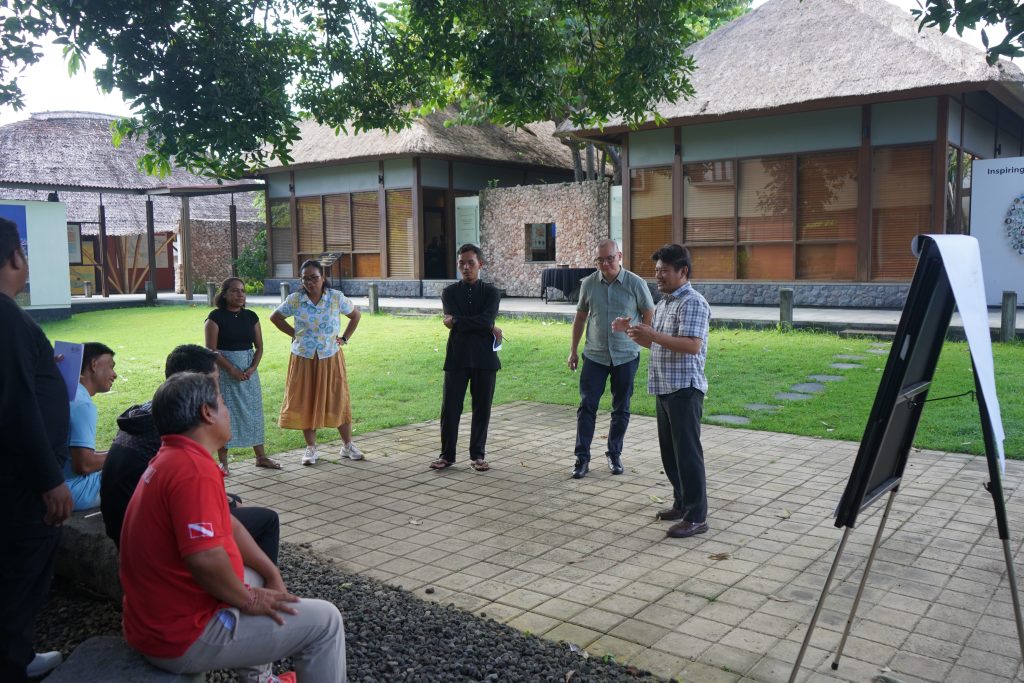
“When we talk about SMT, it is essential to involve coastal communities. They are deeply rooted in stories, rich in culture, tradition, and natural assets, making the Coral Triangle uniquely positioned as a strong foundation for SMT.” Boboi Costas said.
During the event, CTC Senior Marine Conservation Adviser, Marthen Welly presented the criteria for Sustainable Marine Tourism Learning Sites in the Coral Triangle region, which guided participants during breakout group discussions to identify and select potential MPA learning sites.
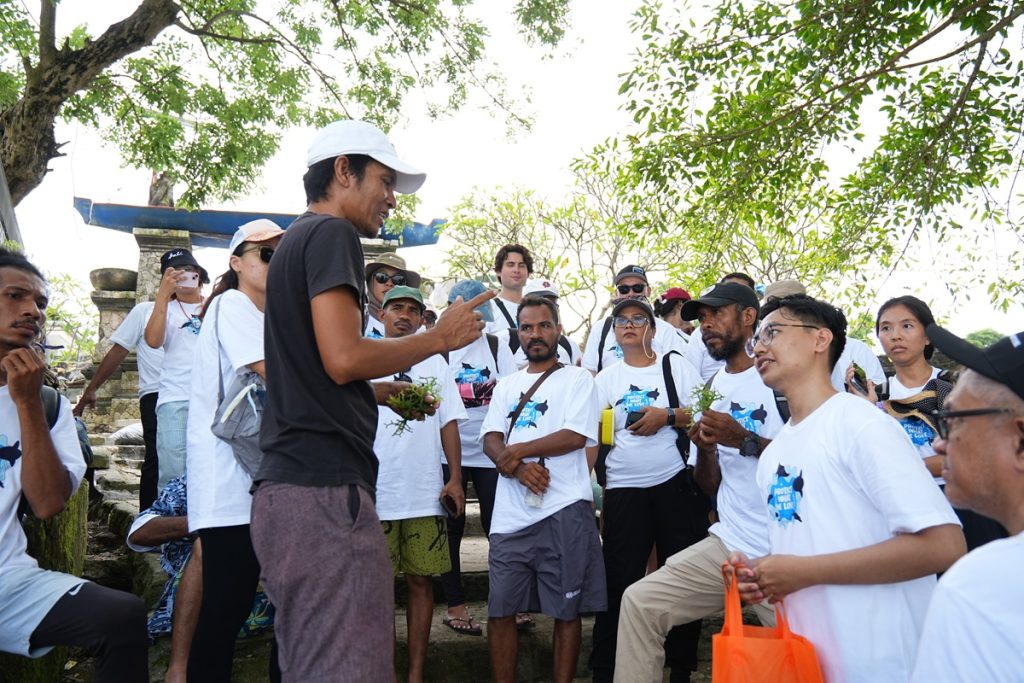
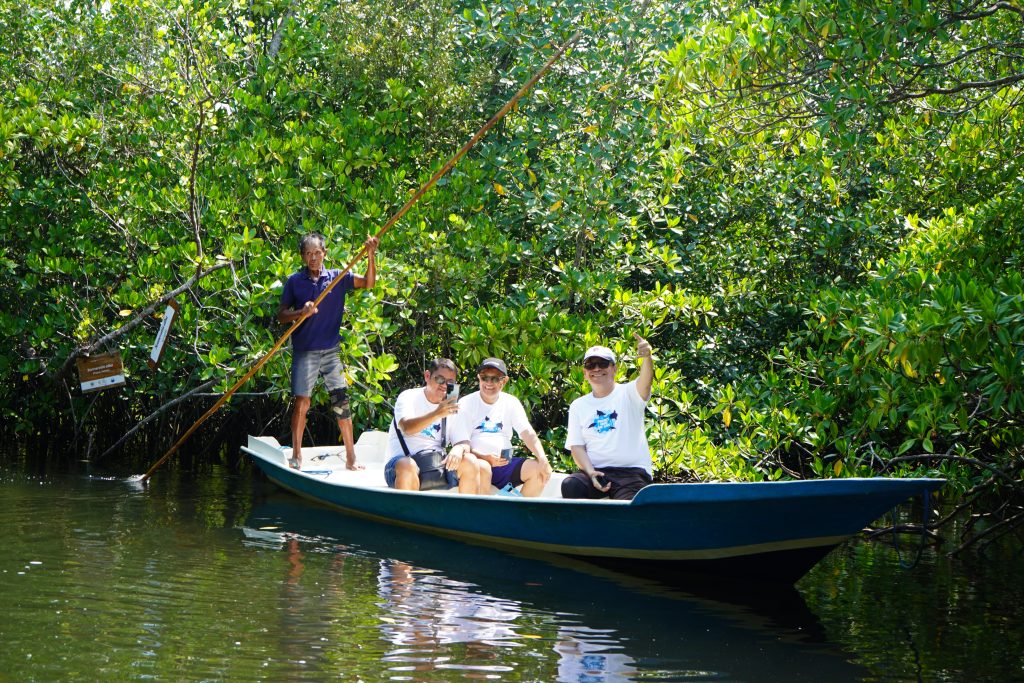
On day two, March 26, 2026, participants visited the CTC Learning Site in the Nusa Penida MPA. The field trip enriched the learning experience through direct engagement with local initiatives, including seaweed farming, mangrove tours, snorkeling, and a visit to the Sandu Care Initiative, which produces seaweed-based skincare products – highlighting community-driven efforts that support conservation and sustainable livelihoods.
Marcelo Belo, a participant from Roman Luan, Timor-Leste, expressed his insight during the field trip in Nusa Penida MPA “I learned more about community involvement in seaweed management, engaging local communities in this process. This understanding has helped to support the conservation of marine resources in this region.”
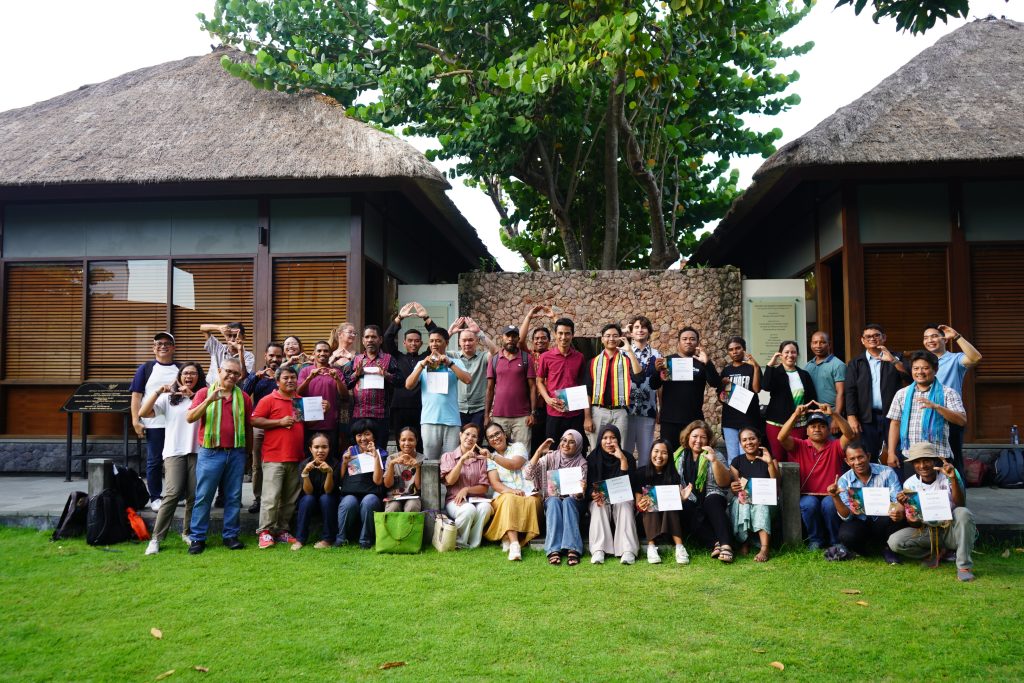
The Learning Exchange concluded with strengthened regional collaboration, shared lessons, and concrete recommendations to advance sustainable marine tourism practices across the Coral Triangle. The closing session also included the presentation of tokens of appreciation to the facilitator, along with an exchange of gifts from participants symbolizing partnership and cultural exchange among participating countries. CTC remains committed to fostering collaboration and supporting the continued development of SMT in the Coral Triangle region.
Writers: Adam Putra, Marthen Welly, Kanoe Tjahjadi
Photos: Adam Putra/CTC, Komang/CTC