
Exploring Coral Resilience from Alor to Komodo with Dr. Rod Salm
First person account by Purwanto, Cikan Qalnar and Kasman
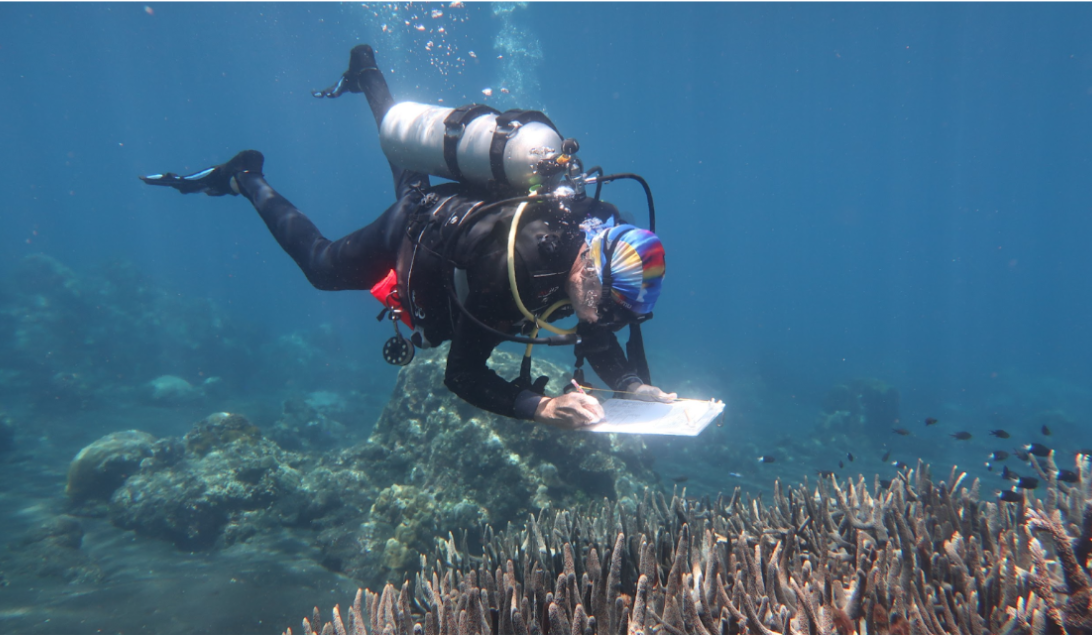 From April 4–16, 2025, three of CTC’s team members had the unique opportunity to join a 12-day liveaboard expedition aboard The Seven Seas, sailing from Alor to Komodo. The journey took us through some of Indonesia’s most iconic marine landscapes, including Komba Volcano Island, Lembata, Maumere, and the North Flores coast.
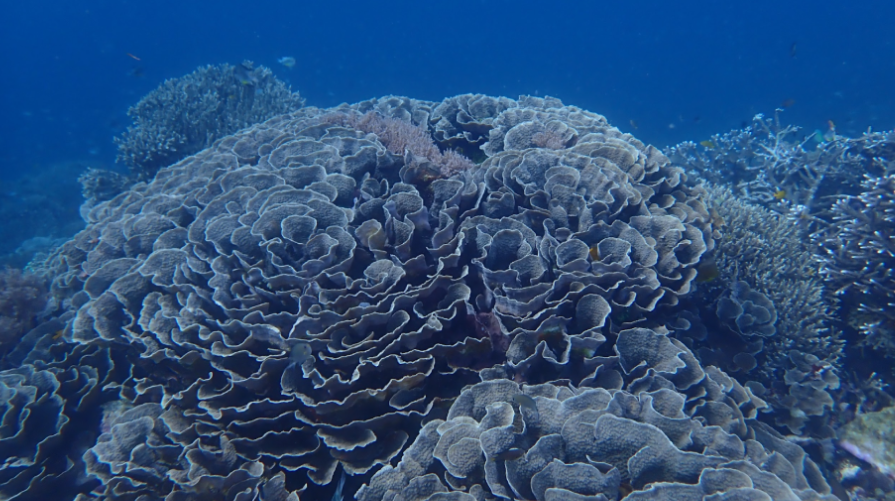 What made this experience truly special was the chance to dive and learn directly from Dr. Rod Salm—one of Indonesia’s pioneering marine conservationists. Affectionately known as Pak Rod, he has been diving in Indonesia since the 1970s and was among the first to map out the country’s Marine Protected Areas in the 1980s. A legend in marine conservation, he’s also the first person to dive at both the North and South Poles.
Over the course of 34 dives, we recorded coral reef resilience data at 24 sites using 15 key indicators developed by Dr. Salm. These indicators helped us understand reef resilience in terms of both resistance to stress and the ability to recover afterward. For each site, we cross-checked our findings with Pak Rod’s personal logbook—an invaluable resource built over decades of scientific observation.
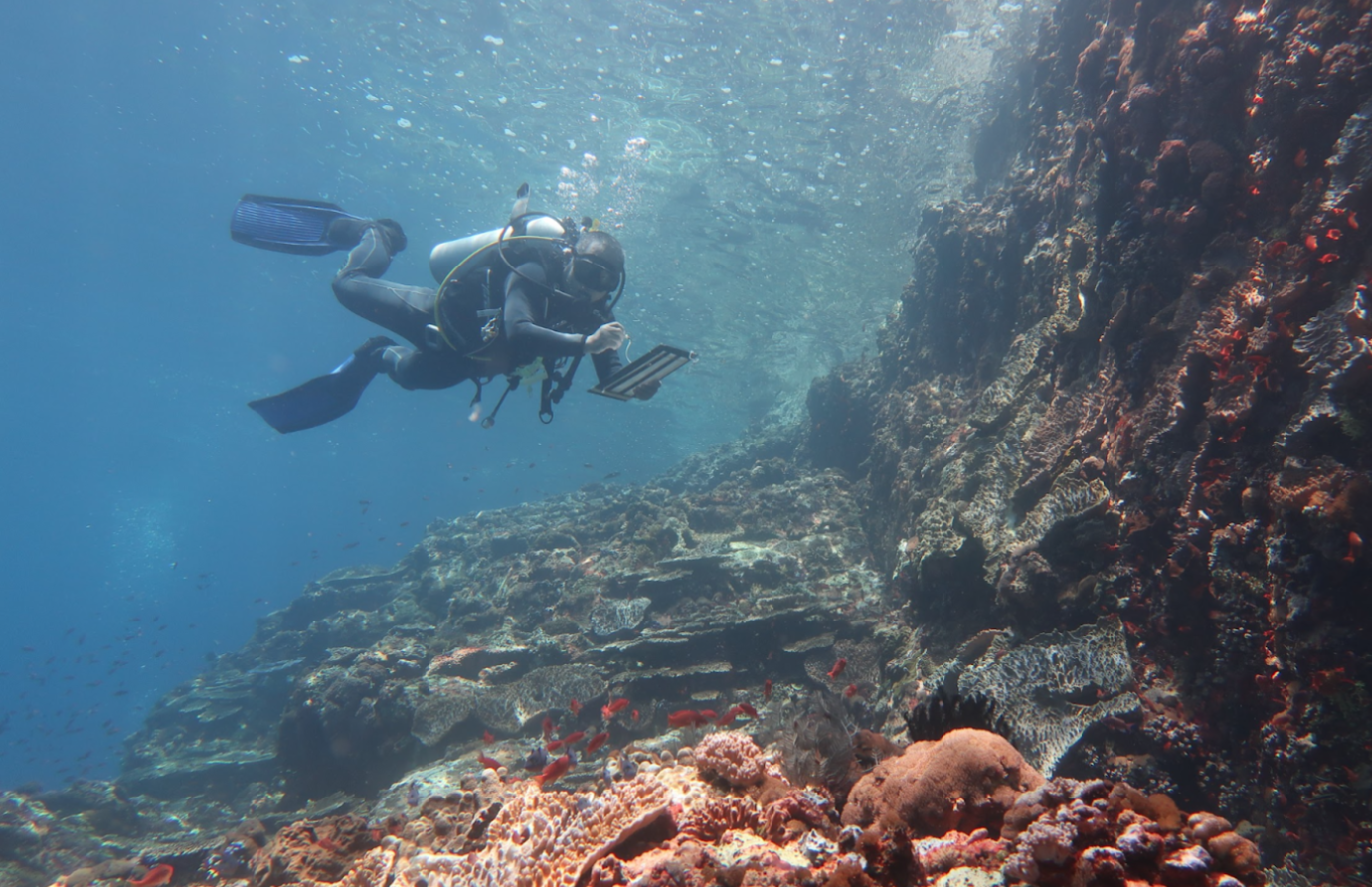
Many of the indicators were new to us, such as signs of coral recovery like regrowth, reorientation, and lesion repair. We also learned to identify coral diseases—black band, white band, purple band, trematodes, and focal bleaching—and the impacts of predators like Crown-of-Thorns starfish, Drupella, and Coralliophila.
At the end of the trip, we analyzed our data and classified each site’s resilience using a simple color-coded system: green (high resilience), yellow (moderate), and red (low). This method, designed by Dr. Salm, is not only scientifically robust but also practical for use in marine conservation planning, including zoning or identifying potential new Marine Protected Areas.CTC believe this method has great potential as a national training tool. Based on this approach, it has significant value to be used as a formal protocol or guide —one that can be used by MPA managers, government agencies, and communities across Indonesia.
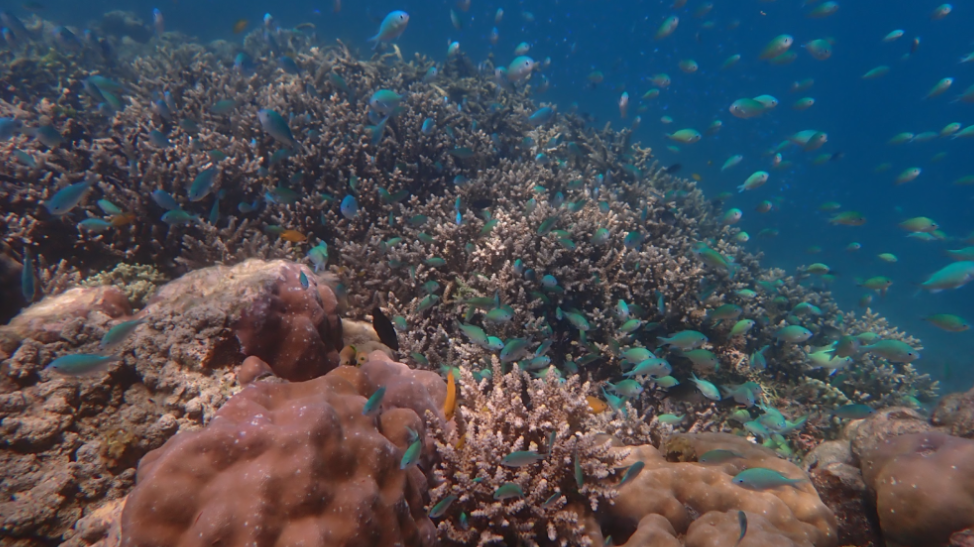 Beyond the scientific work, the experience offered unforgettable moments—from witnessing incredible marine biodiversity to meeting inspiring individuals on board. We are deeply grateful to Dr. Rod Salm, our mentor and guide, and to Ibu Irene Sabina Reynolds Schier and Pak Felix Schier for the opportunity to be part of this remarkable journey.
Writers: Purwanto, Kasman, Cikal Qalnar
Photos: Purwanto/CTC, Kasman/CTC